How Many Headshots Should I Have for Actors and Performers
So, you're an actor or performer, and you're wondering about headshots. It's a common question: how many headshots should I have? It's not as simple as just taking one good picture. Your headshot is like your calling card in the industry, and having the right one can make a big difference. Let's break down what you need to know to make sure your headshots are working for you.
So, you're wondering about how many headshots should I have? It's a question that pops up a lot, and honestly, there isn't a single magic number that fits everyone. Think of your headshots as your calling card in the acting world. They're the first thing a casting director sees, and they need to tell a story about who you are and what kind of roles you can play. The real answer to how many headshots you need really depends on your career stage and the types of work you're going after.
Most actors, when starting out or even a few years in, should aim for a minimum of two distinct headshots. These aren't just two pictures that look slightly different; they should represent different facets of your acting persona. One might be a "commercial" look – think bright, friendly, approachable, perfect for commercials or lighter roles. The other would be a "theatrical" or "legit" look – perhaps a bit more serious, intense, or mysterious, suited for dramas or more complex characters. This gives casting directors a glimpse into your range right away. So, how many headshots do you need for acting? At least two to start.
Beyond the basic two, you might consider adding more if your career calls for it. For instance, if you have a very specific look or play a wide range of characters, having three or even four headshots can be beneficial. This could include a "character" shot that leans into a specific type you often play, or a more lifestyle-oriented shot that shows you in a more relaxed, everyday context. The key is that each headshot should serve a purpose and showcase a different aspect of your casting potential. It's not about having a ton of photos; it's about having the right photos.
The goal isn't to overwhelm casting with options, but to provide them with clear, distinct representations of your acting type and range. Each headshot should feel authentic and clearly communicate the kind of roles you're best suited for.
Here's a general guideline:
Beginner Actors: Start with 2-3 distinct headshots. Focus on getting a solid commercial and theatrical look.
Intermediate Actors: Consider 3-4 headshots. This might include adding a more specific character type or a different vibe.
Advanced/Versatile Actors: You might have 4-6 headshots, showcasing a wider range of looks and types for diverse casting opportunities.
Ultimately, how many headshots should an actor have is a strategic decision. It's about quality over quantity, ensuring each image is professional, current, and effectively markets you to the industry. Don't just get a bunch of photos; get photos that work for you.
Why Headshots Matter for Actors and Performers
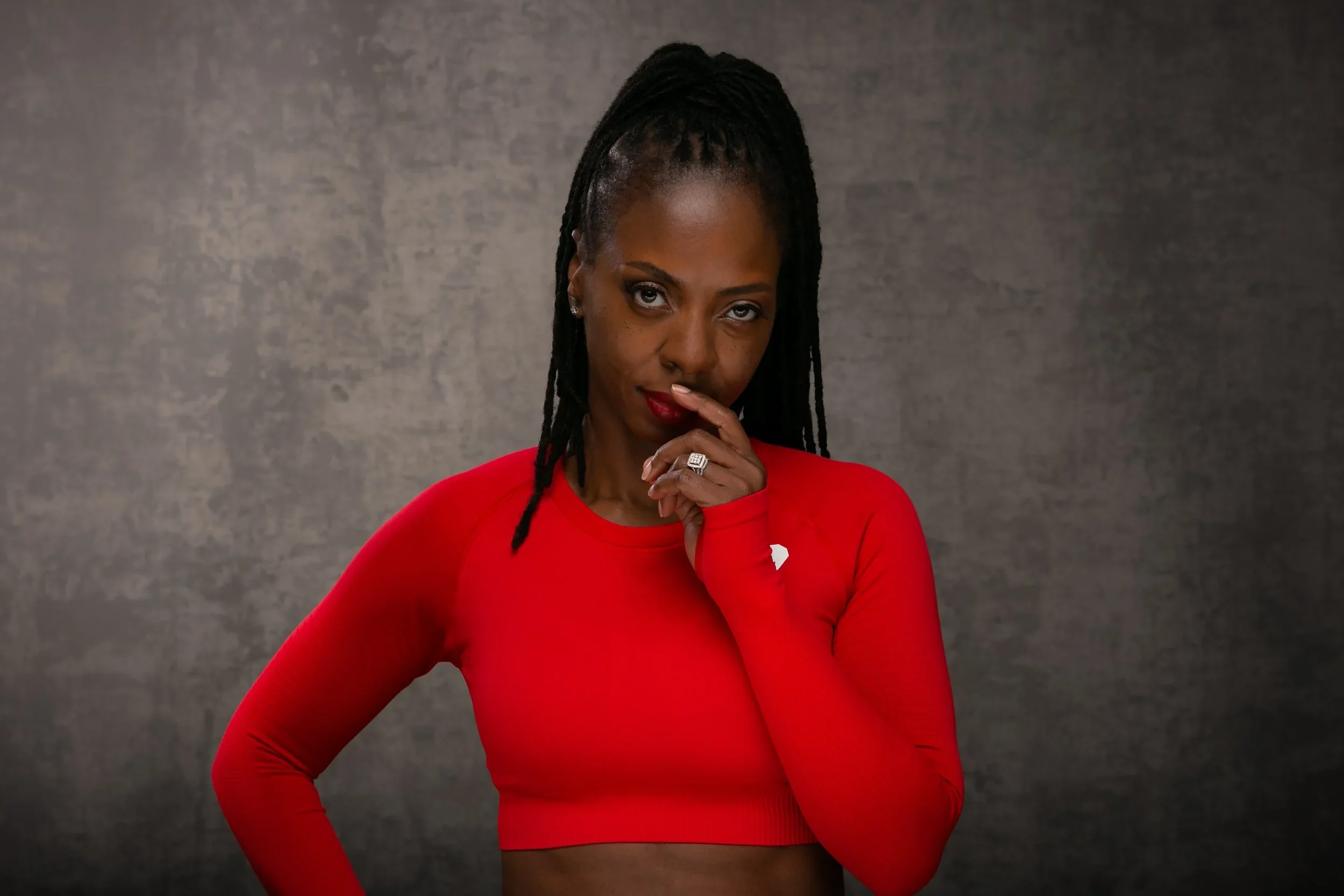
Okay, let's talk about why headshots are such a big deal for actors. Think of your headshot as your calling card, your first handshake with a casting director. In a sea of submissions, it's the one thing that can make them pause and say, "Hmm, I want to see more." It's not just about looking good; it's about showing them who you are and what kind of roles you can play, all in a single image.
Casting directors sift through thousands of photos every week. Seriously, thousands. They're looking for specific types, for people who fit the character they have in mind. Your headshot is the quickest way to tell them if you're a potential match. It's a visual cue that says, "This is me, and this is what I can do."
Here's a breakdown of what they're looking for:
First Impression: Does the photo look professional? Does it grab their attention?
Seriousness: Does it show you take your acting career seriously? A good headshot signals investment.
Potential: Can they imagine you in a role? Your expression and overall vibe give them clues.
It's a tough business, and sometimes, whether you get a callback or not comes down to something as simple as whether your headshot accurately represents you and the character they're casting. You have to look like the person in the photo when you walk into the room, or you've wasted everyone's time.
So, while talent is obviously key, your headshot is often the gatekeeper. It's the tool that gets your foot in the door, allowing your resume and reel to even get a second look. It's not just a picture; it's a strategic marketing tool for your acting career.
Understanding the Purpose: Casting, Profiles, and Branding
So, why exactly do we need these headshots anyway? It's not just about having a nice picture to put on your wall. Think of your headshot as your primary marketing tool in the acting world. It's the first thing a casting director, agent, or even a potential client sees. It needs to tell a story about who you are as a performer before you even walk into the room.
Your headshot is your calling card, and it needs to be clear, accurate, and compelling. It's how casting directors figure out what kind of roles you might be right for. They're not just looking for a pretty face; they're looking for someone who fits a specific character or 'type.' Are you the friendly neighbor? The tough detective? The quirky best friend? Your headshot should give them a strong hint.
Here's a breakdown of what your headshots are really for:
Casting Calls: This is the big one. When a casting director is looking for actors for a role, they'll often sift through hundreds of submissions. Your headshot is the first filter. If it doesn't look like you, or if it doesn't suggest the kind of character they're looking for, they'll likely pass.
Online Profiles: Think of platforms like Spotlight, IMDb, or your own website. Your headshot is what represents you there. It needs to be professional and give a good impression, even when people are just scrolling through.
Agent Representation: If you're looking for an agent or trying to impress your current one, your headshot is key. It shows them what you look like and what kind of work they can realistically get for you.
Branding: Beyond just 'type,' your headshot helps build your personal brand. It communicates your overall vibe, your energy, and what makes you unique. It's about creating a consistent image that casting directors can rely on.
The goal isn't to look like a different person or a character. It's to present the most authentic, professional version of yourself that aligns with the roles you're aiming for. A good headshot should feel like a snapshot of you on a good day, ready to work.
It's really about making it easy for the people making decisions. They have a job to do, and your headshot helps them do it faster and more effectively. If your photo is unclear, outdated, or doesn't match your 'type,' you're making their job harder, and that's usually not a good thing for you.
Minimum Headshots Every Performer Should Have
Okay, so you're wondering about the absolute basics when it comes to headshots. How many do you really need to start? The consensus, and honestly, the practical minimum, is two.
Think of these two shots as your "day and night" or "work and play" options, but for acting. You need one that leans more towards the "commercial" look – think friendly, approachable, maybe a slight smile. This is for those roles that are more mainstream, like a friendly neighbor or a relatable everyday person. Then, you need a "theatrical" or "dramatic" shot. This one usually has a more serious or intense expression, showing you can handle deeper, more dramatic roles. It's about conveying a different vibe, a different kind of character.
Here's a simple breakdown:
Commercial Headshot: Shows your friendly, approachable side. Good for roles like "girl next door," "guy at the coffee shop," or "happy parent."
Theatrical/Dramatic Headshot: Shows your intensity and ability to portray complex emotions. Useful for roles that are more serious, edgy, or character-driven.
Both of these shots must look like you. Not a Photoshopped, airbrushed, or overly styled version, but the actual person who will walk into the audition room. Casting directors need to recognize you instantly from your photo. If you show up looking completely different, you've basically wasted everyone's time, and that's a quick way to not get called back.
So, while two is the absolute minimum, it's a solid starting point. These two shots give you enough versatility to show you can play different types of characters without overwhelming a casting director with too many options right off the bat. It's about making a clear, immediate impression.
Ideal Number of Headshots for Different Career Stages
So, how many headshots do you actually need? It's not a one-size-fits-all answer, really. It depends a lot on where you are in your acting journey.
For those just starting, two headshots are usually the minimum. Think of it as your 'commercial' look – bright, friendly, approachable – and your 'theatrical' or 'legit' look – a bit more serious, maybe a touch dramatic. This gives casting directors a basic idea of your versatility.
As you gain more experience and start booking roles, you might want to expand your options. Having three to four headshots can be beneficial. This allows you to showcase different facets of your personality and the types of characters you're often cast as. For instance, you might add a more edgy shot, or one that highlights a specific skill or look you're known for.
The more established you become, the more nuanced your headshot selection can be. This might mean having five or six headshots that cover a wider range of your casting types. It’s about showing casting directors you can play various roles, from the quirky best friend to the stern authority figure. It's not about having a ton of photos, but having the right photos that accurately represent your current look and acting range. Remember, your headshot is your calling card, and it needs to be as diverse as the roles you're seeking. It's also a good idea to have a solid acting resume to go along with your photos and acting resume guide.
Here’s a general guideline:
Beginner Actor: 2 headshots (Commercial & Theatrical/Legit)
Intermediate Actor: 3-4 headshots (Adding variety like edgy, specific type)
Established Actor: 4-6 headshots (Showcasing a broader range of casting types)
It's always better to have a few really strong, representative headshots than a large collection of mediocre ones. Quality over quantity is the name of the game here.
Types of Headshots: Commercial vs. Theatrical vs. Lifestyle
Okay, so you're getting your headshots done, and you've heard terms like "commercial" and "theatrical." What's the deal? It's not just about different outfits or backgrounds; it's about showing casting directors different sides of you, the performer.
Think of it like this:
Commercial Headshots: These are your "girl/guy next door" shots. They're usually bright, friendly, and feature a genuine smile. This is the look you want for commercials, sitcoms, or roles where you're playing the relatable best friend or the charming lead. The goal here is to look approachable, and like someone a casting director would want to grab a coffee with. It’s all about that natural, happy vibe.
Theatrical Headshots: These are a bit more dramatic, often with a more serious or intense expression. You might not be smiling, or if you are, it's a subtle, knowing smirk. This shot is for dramas, thrillers, or roles where you need to convey a bit more edge, mystery, or gravitas. Think movie star vibes – maybe a little moody, maybe a little sexy, depending on the characters you're going for.
Lifestyle Headshots: This is where you really get to show off your unique personality and what makes you you. Are you a total fitness buff? Let's get a shot that shows that. Are you a quirky, intellectual type? We can incorporate that. These shots are less about a specific audition type and more about branding yourself and showing casting directors the "real" you, or at least the version of you that fits certain character archetypes you want to play. It’s about showcasing your specific interests or skills that might make you stand out.
The key is to have variety. A single headshot can't possibly represent all the different characters you can play. Having a few different types of shots allows casting directors to see your range and imagine you in various roles.
So, when you're planning your shoot, talk to your photographer about getting a mix. You don't need a million different looks, but having at least one commercial and one theatrical shot is pretty standard. Adding a lifestyle shot can really help you stand out and show off what makes you unique.
How Variety in Headshots Shows Your Range to Casting Directors
Think of your headshots like a mini-portfolio. Casting directors are busy people, and they're looking for specific types of actors for specific roles. If you only have one look, you're limiting yourself. Showing a few different sides of yourself can really help them see where you might fit.
A good set of headshots should showcase different expressions and moods. This isn't about pulling funny faces; it's about showing you can convey different emotions and energies. For example, you might have one shot that's warm and friendly, perfect for commercial work or roles where a character needs to be approachable. Then, you'd want another shot that's more serious or intense, which could be great for dramatic roles.
Here’s a breakdown of what different shots can communicate:
The "Commercial" Look: Often a genuine smile, bright eyes, and an open, friendly demeanor. This says, "I'm relatable and can connect with a broad audience." It's great for ads, sitcoms, or any role needing a positive vibe.
The "Theatrical" or "Legit" Look: This usually involves a more neutral or thoughtful expression. It might be a confident gaze, a slightly serious look, or even a hint of vulnerability. This shot tells casting directors, "I can handle dramatic scenes and complex characters."
The "Intriguing" Look: Sometimes, a shot that's a little more mysterious or has a specific edge can be useful. This might be for roles that are a bit edgy, complex, or require a certain intensity.
Casting directors often have a specific character in mind when they're looking through submissions. If your headshot matches the vibe they're going for, you're much more likely to get a callback. Having a few different options means you can pick the one that best fits the specific role you're auditioning for.
It’s not about having dozens of photos, but having a few well-chosen ones that represent different facets of your acting ability and personality. This variety helps casting directors quickly see your potential and how you might fit into their project.
How Often You Should Update Your Headshots with TRG Headshots
Okay, so you've got these awesome headshots, right? They look great, they capture your vibe, and you're feeling good. But how long do they stay good for? It's not like a carton of milk that goes bad on a specific date, but there's definitely a shelf life for your professional photos.
The general rule of thumb is to update your headshots every two to three years. Think of it as a refresh. You've probably changed a little bit in that time, even if it's just subtle shifts in how you carry yourself or the roles you're starting to be considered for. Casting directors need to see the you that's walking into the room, not the you from a couple of years ago.
But that two-to-three-year window isn't set in stone. Life happens, and sometimes you need a new headshot sooner. Here are some common triggers:
Major Appearance Changes: Did you get a drastic haircut? Change your hair color? Grow a beard and then shave it off? Lose or gain a significant amount of weight? These are all big signals that it's time for new photos. Your headshot needs to match your current look.
Career Shifts: Are you starting to audition for different types of roles? Maybe you've aged out of certain character types and are now being considered for more mature roles. Your headshots should reflect the kind of work you're actively pursuing.
Industry Trends: While your headshot should always be about you, sometimes the overall style or feel of headshots can shift. If your current shots look dated compared to what's currently being used by successful actors in your field, it might be time for an update.
For younger actors, the timeline is usually shorter. Kids and teens change so rapidly that their headshots might need updating every six months to a year. As you get older, the changes tend to be less dramatic, so the two-to-four-year window for adults in their 20s and 30s, and potentially even longer for those 40 and up, can be more accurate.
It's really about authenticity. Your headshot is your calling card, and it needs to be a true representation of who you are right now. If you look significantly different, it can confuse and might even cost you an audition because they can't match the photo to the person.
So, while the calendar is a good starting point, always keep an eye on your appearance and your career goals. When in doubt, ask your agent or a trusted industry professional. They can give you honest feedback on whether your headshots are still doing their job.
How Many Headshots Should I Have for Auditions vs. Agents
Okay, so you've got your headshots, but how many do you actually need, and when do you use them? It's not just about having a good picture; it's about having the right picture for the right situation.
For auditions, you generally want to bring the headshot that best represents the character you're auditioning for. This means having a few different looks ready to go. Think about it: if you're auditioning for a friendly, upbeat commercial, a shot of you with a genuine smile is probably your best bet. But if you're going for a gritty drama, a more serious, intense look might be more appropriate. You don't want to show up with a headshot that screams 'comedy' when they're looking for 'tragedy,' right?
When it comes to agents, they're looking for a broader representation of your type and range. They need to see what you can do overall, not just for one specific role. So, while you might use one specific headshot for an audition submission, your agent will likely want to see a selection of your best shots to show casting directors the variety you offer.
Here's a quick breakdown:
For Auditions: Bring 1-2 headshots that most closely match the character description or the project's tone. If the breakdown is vague, use your most versatile, current shot.
For Agents/Managers: Provide them with a curated selection of 3-5 of your strongest, most distinct headshots. This shows your range and different marketable types.
Online Profiles (like casting websites): Upload multiple shots (usually 3-5) that showcase different looks, moods, and types. This gives casting directors a fuller picture of who you are and what roles you can play.
The key is to have variety, but not so much that it becomes confusing. Each headshot should serve a purpose and clearly communicate a specific aspect of your acting persona. If you're unsure, always ask your agent or manager for guidance. They know what casting directors are looking for.
Think of it like this: your audition headshot is your targeted arrow, while your agent's selection is your quiver full of different arrows, ready for any target.
Practical Tips for Choosing Your Best Headshots with TRG Headshots
Picking the right headshots can feel like a big deal, and honestly, it is. You want the photos you send out to really show who you are and what you can do as an actor. It's not just about looking good; it's about looking like you on a good day, ready for work.
Your headshot should be a clear, honest representation of yourself. Casting directors need to recognize you the moment you walk into the room. If your headshot shows you with a drastically different hairstyle, makeup, or even a beard you don't have on audition day, you're setting yourself up for disappointment. It wastes everyone's time.
Here are a few things to keep in mind when you're looking through your proofs:
Does it look like you? This is the most important question. Compare the photo to how you look right now. Are there any major differences that would confuse a casting director?
Does it show your type? Think about the kinds of roles you usually play or want to play. Does the headshot convey that? A commercial look is different from a dramatic one, and your photos should hint at that.
Is it current? If you've changed your hair color, cut it significantly, or your face has changed a lot since the shoot, it might be time to get new ones.
Get a second opinion. Show your top choices to your agent, manager, or a trusted friend in the industry. They might see something you missed.
When you're working with TRG Headshots, remember that variety is key, but it shouldn't be extreme. You want a few different looks that are all still you. Maybe one is a bit more serious, another a little warmer, and perhaps one that shows off your comedic timing. But don't go overboard with wild expressions or outfits that aren't typical for you.
Think of your headshots as your calling card. They need to be professional, accurate, and inviting. The goal is to get the audition, not to trick anyone. If your headshot is honest, you'll attract the right opportunities.
Don't forget about the technical stuff, too. Make sure the photos are well-lit, with good focus. Avoid busy backgrounds that distract from your face. And remember, for most submissions these days, you'll be sending digital files, so ensure they are high-resolution and properly sized.
Balancing Quality and Quantity with TRG Headshots
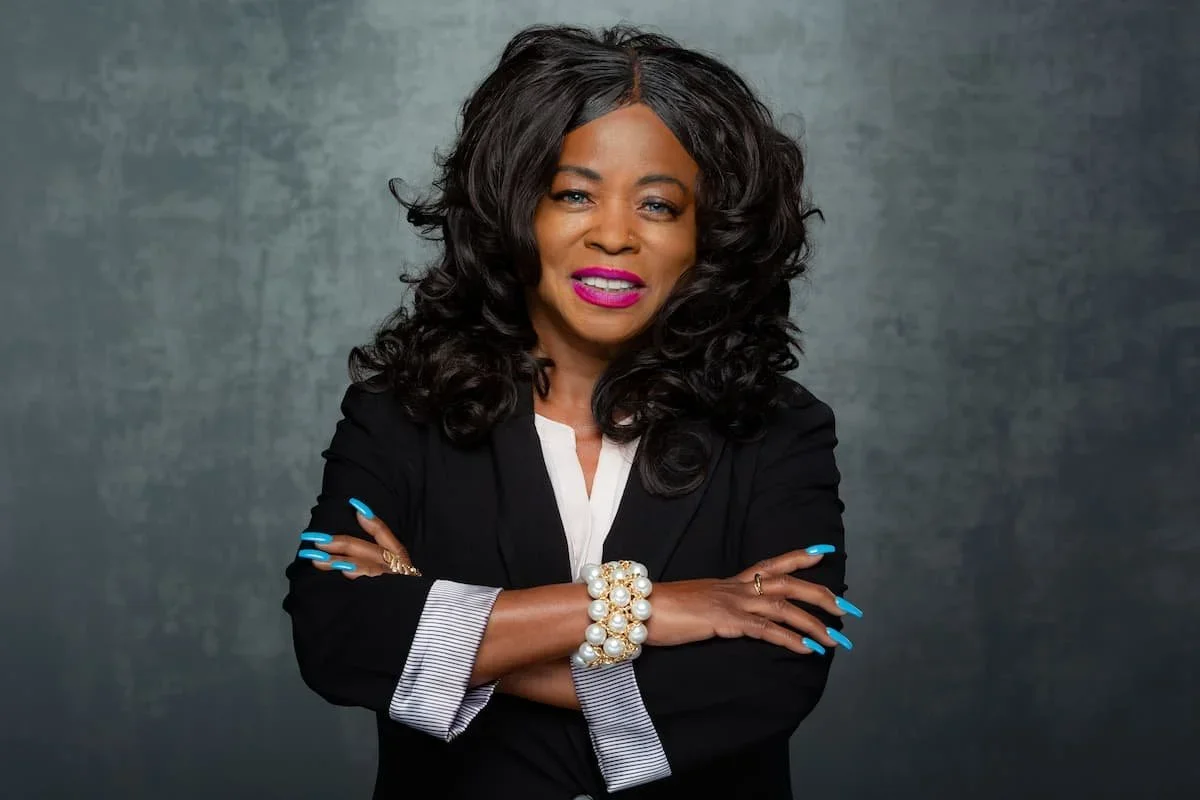
It’s easy to get caught up in thinking you need a million different headshots, but honestly, that’s not usually the case. The real goal here is to have a few really strong, high-quality images that show different sides of you, rather than a ton of mediocre ones. Think about it: casting directors are busy. They want to see you, clearly and accurately, in a few key looks that represent the types of roles you're right for. Having too many options can actually be more confusing than helpful.
The sweet spot is usually having 2-4 distinct headshots. These should cover your main
Finding the Right Number of Headshots for Your Career with TRG Headshots
So, you've had your headshot session with TRG Headshots, and now you're looking at a whole bunch of great photos. It's easy to get overwhelmed, but figuring out how many you actually need is pretty straightforward once you know what you're looking for.
The general rule of thumb is to have between 4 and 6 distinct headshots. This gives you enough variety to show different sides of yourself without overwhelming casting directors or making your online profiles look cluttered. Think of it like having a few different outfits for different occasions – you wouldn't wear a tuxedo to the beach, right?
Here's a breakdown of what usually works:
The "Commercial" Look: This is your bright, friendly, approachable shot. Think a genuine smile, good lighting, and a relaxed vibe. It's great for commercials, sitcoms, or any role where they want someone relatable and upbeat.
The "Theatrical" or "Legit" Look: This one is a bit more serious. It might be a more neutral expression, perhaps a slight smirk or a thoughtful gaze. This is for dramas, more intense roles, or anything where you need to convey depth.
The "Edgy" or "Character" Look (Optional): If your type leans towards more specific roles, you might want a shot that hints at that. This isn't about dressing up in a costume, but rather showing a specific mood or attitude that fits your casting.
The "Everyday" Look: Sometimes, a simple, natural shot that looks just like you on a regular day is incredibly effective. It shows authenticity.
It's not just about having different expressions, either. Think about subtle changes:
Hair: A shot with your hair down versus up, or perhaps showing your natural texture if you often style it differently.
Attire: A business casual look versus something more relaxed.
Subtle Expression Changes: A full smile versus a more closed-mouth smile or a thoughtful look.
Remember, casting directors are looking for you. They want to see who walks into the room. Too much retouching or too many "looks" that don't resemble your everyday self can actually hurt your chances. Authenticity is key.
Ultimately, the number of headshots you need depends on your specific career goals and the types of roles you're going for. If you're just starting, two solid shots (commercial and theatrical) might be enough. As you progress and your type becomes clearer, you might expand to four or six. It's always a good idea to chat with your agent or a trusted acting coach about what they think best represents you for the market.
Deciding how many professional photos you need for your career can feel tricky. Too few, and you might not have enough options. Too many, and it can get overwhelming. We're here to help you figure out the sweet spot for your professional image. Ready to get started with stunning headshots that make you stand out? Visit our website today to learn more and book your session!
Frequently Asked Questions
-
Most actors need at least two headshots. Think of them as different 'looks.' One might be for more serious roles (like a drama), and the other for fun, commercial jobs. Having a third one that shows off your personality is a great idea, too!
-
A commercial headshot usually shows you smiling and looking friendly, perfect for ads or upbeat roles. A theatrical headshot might be more serious or intense, used for dramas or movies where you play a more complex character.
-
While a picture of you dressed up as a character might be fun for your portfolio, it's not usually what casting directors want for a headshot. They need to see you, not a costume. Stick to shots that show your natural look and personality.
-
It's a good idea to update your headshots every 2 to 4 years. However, if your look changes a lot (like a new haircut or color), or if you're trying to play younger or older roles, you might need to update them sooner.
-
Yes, absolutely! Casting directors want to recognize you when you walk into the audition room. Don't use filters or heavy editing that makes you look different from how you do in real life. Be confident in your natural look!
-
Having two or three 'looks' is usually enough. A 'look' is basically a different outfit and expression that shows a different side of you. Too many can be confusing, and too few might not show your range.
-
If you normally wear glasses, you should have shots with them on. If you also wear contacts, get some shots without them too. The same goes for facial hair; have shots with and without a beard if you change your look often. Just make sure you look like the photo when you audition!
-
No, headshots are specifically for acting auditions. Photos from vacations, parties, or just casual fun shoots aren't professional enough. They need to be clear, well-lit pictures focused on your face and expression, meant to show casting directors who you are as an actor.