
Where to Put Kids Hands During Photoshoots for Studio Portraits
Getting great photos of kids in the studio can feel like a puzzle, especially when you're not sure what to do with their hands. It's easy for little hands to end up looking a bit awkward or out of place, which can really change the feel of the whole picture. This guide is all about figuring out where to put kids hands during photoshoots so your portraits look natural and polished. Understanding where to put kids hands during photoshoots makes a big difference in how natural the final image looks.
Why Hand Placement Matters: Understanding Where to Put Kids Hands During Photoshoots
You know, when you're taking pictures of kids, especially in a studio setting, it's easy to get caught up in just their faces. But honestly, where their hands end up can make a surprisingly big difference in the final photo. It's not just about avoiding awkwardness; it's about telling a story and making the image feel complete. Think about it – hands can convey so much emotion, from a shy child hiding them behind their back to a confident kiddo with hands on their hips. Getting this right helps make the portrait look natural, not stiff.
Sometimes, kids just don't know what to do with their hands. It's like they freeze up! This can lead to those classic "gangly" looks or hands just hanging there awkwardly. When we guide them a bit, we can make them look more relaxed and comfortable. It’s about giving them simple, easy things to do.
Here are a few things to keep in mind:
Adds to the pose: Hands can complete a pose, making it look more finished and intentional.
Shows personality: A child's hands can reveal a lot about their mood or personality in the photo.
Creates connection: In group shots, how hands are placed can show the bond between people.
Guides the viewer's eye: Well-placed hands can subtly direct attention to the subject's face or other important elements.
It's really about making the whole picture feel more balanced. When hands are just sort of floating around, it can make the whole image feel a bit off. But when they're doing something, even something simple like resting on a knee or holding a toy, it grounds the subject and makes the photo feel more solid.
Getting this right doesn't mean forcing kids into unnatural positions. It's more about offering gentle suggestions and finding what feels comfortable for them. For instance, sometimes just letting them lightly rest their chin on their hand can make a world of difference. It’s these small details that really make a studio portrait shine.
Natural Posing Basics: Teaching Kids Where to Put Kids Hands During Photoshoots
Getting kids to look natural in photos can feel like a puzzle, right? Especially when it comes to their hands. They can end up looking stiff, awkward, or just plain weird if we don't give them a little direction. The trick is to make it feel like play, not a chore. Think about what kids do naturally when they're just hanging out.
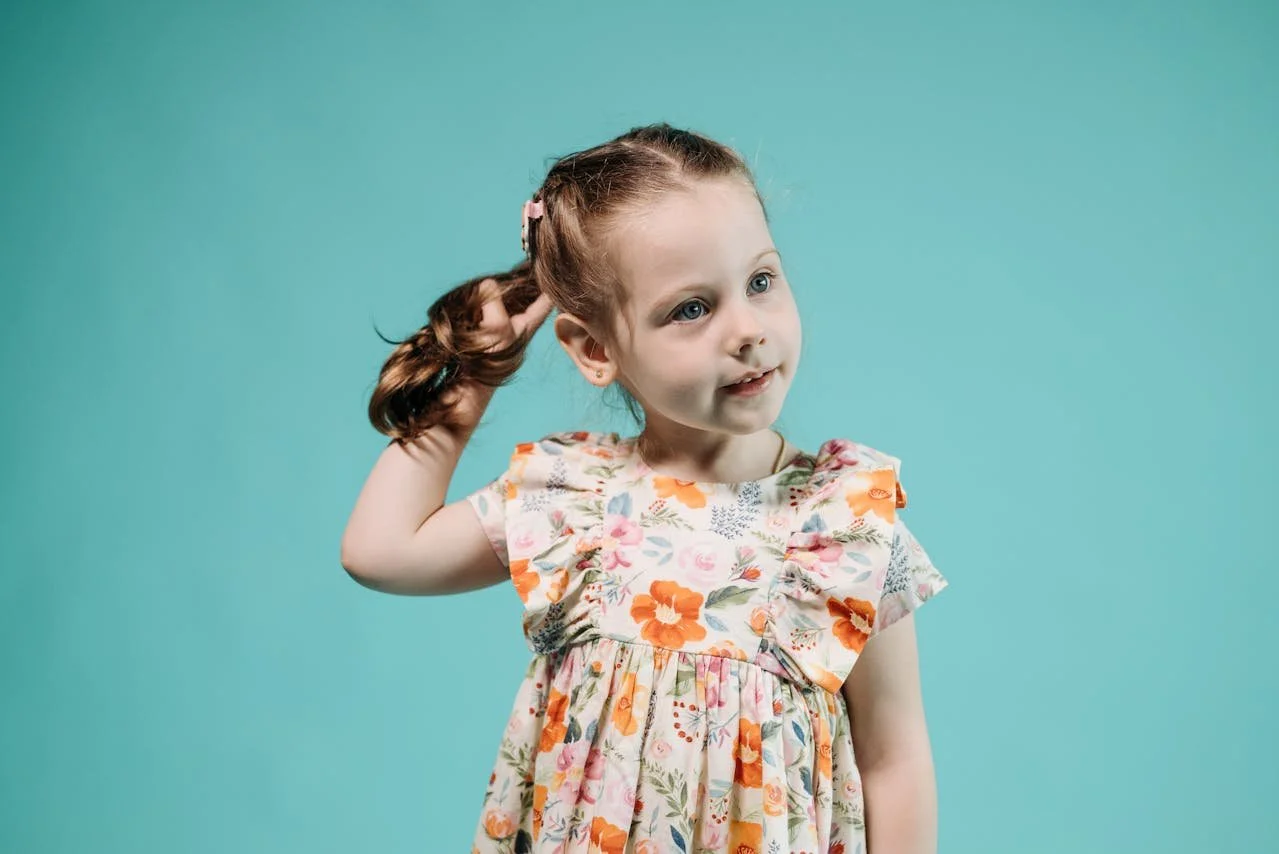
When kids are relaxed, their hands often find their way to their pockets, their hips, or maybe they're holding something. We can use these natural tendencies to our advantage. Instead of saying "Put your hands there," try giving them a little task or a prompt.
Here are a few ideas to get those little hands looking just right:
Pocket Power: Encourage them to put one or both hands in their pockets. If they're wearing jeans or shorts with pockets, this is a super easy win. It looks casual and relaxed.
Hip Hop: Hands on the hips can look a bit sassy or confident, depending on the kid. It's a classic pose that works well for older kids.
Holding Something: Give them a small prop to hold. This could be a favorite stuffed animal, a flower, or even just a small toy. It gives their hands something to do and makes the photo more personal.
Gentle Touch: For sibling photos, encourage them to gently touch their brother or sister's arm, shoulder, or back. It shows connection without being too posed.
Sometimes, the best poses happen when we give kids just enough guidance to feel comfortable, but not so much that they feel stiff. It's about finding that sweet spot where they can still be themselves.
Don't be afraid to try different things. What looks good on one child might not work for another. The goal is to capture their personality, and that includes how they naturally hold themselves. If they fidget, let them fidget a bit! Sometimes those in-between moments are the most genuine.
Standing Poses: Ideas for Where to Put Kids Hands During Photoshoots in Studio Portraits
When kids are standing for studio portraits, their hands can sometimes feel like they don't know where to go. It's a common thing, and as photographers, we've got a few tricks up our sleeves to help.
The goal is to make their hands look relaxed and natural, not stiff or awkward. Think about what kids do when they're just hanging out. They might put their hands in their pockets, rest them on their hips, or hold onto something. We can use these natural behaviors as inspiration.
Here are some ideas for where kids can place their hands when standing:
Hands in pockets: This is a classic for a reason. It looks casual and gives their arms something to do. If they're wearing pants with pockets, encourage them to slide their thumbs in or just rest their hands there.
Hands on hips: This pose can make kids feel a bit more confident and grown-up. It's a simple adjustment that adds a nice shape to their stance.
Holding onto something: This could be a parent's hand, a prop like a stool or a small table, or even just their own shirt. It gives them something to interact with.
Arms crossed loosely: Not tightly, but a relaxed cross can look good, especially if they're leaning slightly against something.
One hand resting on the other: This is a subtle pose that can look quite thoughtful.
Sometimes, just giving them a simple instruction like 'pretend you're waiting for a bus' or 'show me your cool shoes' can get their hands into a natural position without them even thinking about it. It's all about making it feel like play.
For example, if a child is standing next to a parent, they might naturally reach out and hold their parent's hand or arm. This not only looks sweet but also creates a connection in the photo. You can find lots of inspiration for different poses and interactions in children's photo galleries.
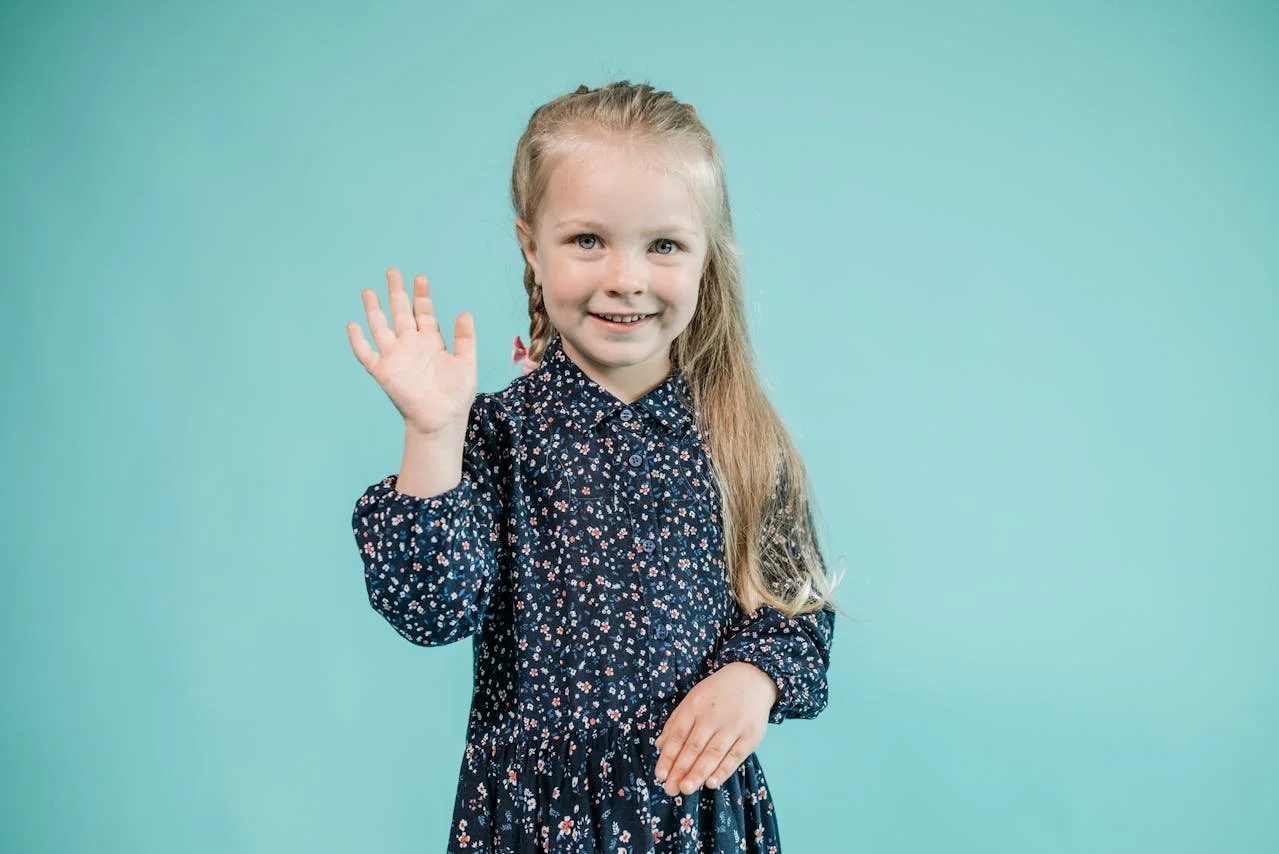
If you're working with older kids, you might suggest they rest one hand on their knee or thigh, especially if they're in a slightly more relaxed standing pose. For younger ones, keeping it simple is usually best. Maybe one hand is by their side, and the other is gently touching their own arm or leg. It's about finding that sweet spot between looking posed and looking like they're just being themselves.
Seated Poses: Comfortable Options for Where to Put Kids Hands During Photoshoots
Sitting down can be a really nice way to get some relaxed shots, especially with kids. It often feels more natural than standing around awkwardly. When they're seated, their hands have a few easy places to go that look good and feel comfortable.
Think about letting their hands rest on their knees or thighs. This is super simple and always looks right. For younger kids, their hands might just be in their lap, maybe playing with their fingers a little. That’s totally fine and adds a touch of realism.
Here are a few ideas for seated hand placements:
Resting on knees: A classic. Just let their hands sit naturally on their kneecaps.
Hands in lap: Simple and sweet, especially for little ones.
Holding a prop: If they have a toy or book, let them hold it.
One hand on a parent's knee: If they're sitting next to a parent, this creates a nice connection.
Gently touching their own leg: A subtle way to keep hands occupied.
The goal is to avoid hands looking stiff or forced; they should just be there. Sometimes, kids will naturally put their hands in their pockets if they're wearing pants with them. That can work too, as long as it doesn't look like they're trying to hide.
When kids are seated, their hands often find natural resting spots without much direction. It's about letting them be comfortable and capturing that ease. Don't overthink it; often, the simplest placement is the best.
If they're sitting on a chair or a couch, their hands can also rest on the armrests. Or, if they're sitting on the floor, they might lean on their hands behind them. It really just depends on the setup and what feels right for the child in that moment. Just keep an eye on them and see where their hands naturally go.
Using Props to Guide Where to Put Kids Hands During Photoshoots
Props can be a lifesaver when you're trying to figure out what to do with little hands during a studio portrait session. They give kids something to interact with, which naturally directs their hands and makes the pose feel more organic. Think about a simple wooden block, a soft blanket, or even a favorite stuffed animal. These items give little fingers a purpose and a place to rest.
When you introduce a prop, you're not just giving the child something to hold; you're giving them a role in the photograph. A child holding a book might look like they're reading, or a child holding a flower might be smelling it. It adds a story to the image without you having to say much.
Here are a few ideas for using props:
Soft Toys: A teddy bear or a favorite plush animal can be held, hugged, or even talked to. This often results in sweet, tender expressions.
Books: Holding a book, open or closed, gives the hands a clear task. Kids can pretend to read or just hold it in their lap.
Blankets or Scarves: Draping a soft blanket over their lap or shoulders, or letting them hold a corner, can create a cozy, relaxed feel.
Small Toys: Think toy cars, dolls, or building blocks. These can be held, played with gently, or arranged on a surface.
Using props isn't about hiding awkward hands; it's about creating natural interactions that lead to genuine expressions. The prop becomes a focal point that draws the viewer's eye, and the child's hands naturally follow.
Sometimes, just having a simple prop on a table or chair in front of the child is enough. They might rest their hands on it or pick something up from it. It's all about giving those busy little hands something to do that looks good on camera.
Hands for Sibling and Group Portraits: Coordinating Where to Put Kids Hands During Photoshoots
When you're photographing siblings or a larger group, getting everyone's hands in a good spot can feel like a puzzle. It's not just about getting everyone in the frame; it's about making sure their hands look natural and add to the overall feel of the photo. The goal is to create a sense of connection and comfort, not awkwardness.
Think about how siblings naturally interact. They might be holding hands, one might have a hand on the other's shoulder, or they could be playfully linking arms. For group shots, especially with younger kids, hands can rest on parents' laps, hold onto a sibling's arm, or even be gently placed on a prop.
Here are a few ideas for hand placement in sibling and group photos:
Touching: Gentle touches like hands on shoulders, arms around each other, or holding hands can really show a bond. Avoid tight grips; a light touch often looks more natural.
Interacting with Props: If you're using a couch or a bench, your hands can rest on the furniture. If there's a blanket, kids can hold onto it together.
Resting: Sometimes, just letting hands rest naturally in laps or by their sides is best. The key is to avoid hands looking stiff or out of place.
Parental Guidance: For younger children, a parent's hand can gently guide their child's hand to a resting spot or onto a sibling.
When photographing multiple children, especially if they're close in age, look for opportunities where their hands can naturally connect. This could be as simple as one child holding another's hand while they walk, or both siblings resting their hands on a shared toy. These small details make a big difference in conveying warmth and togetherness.
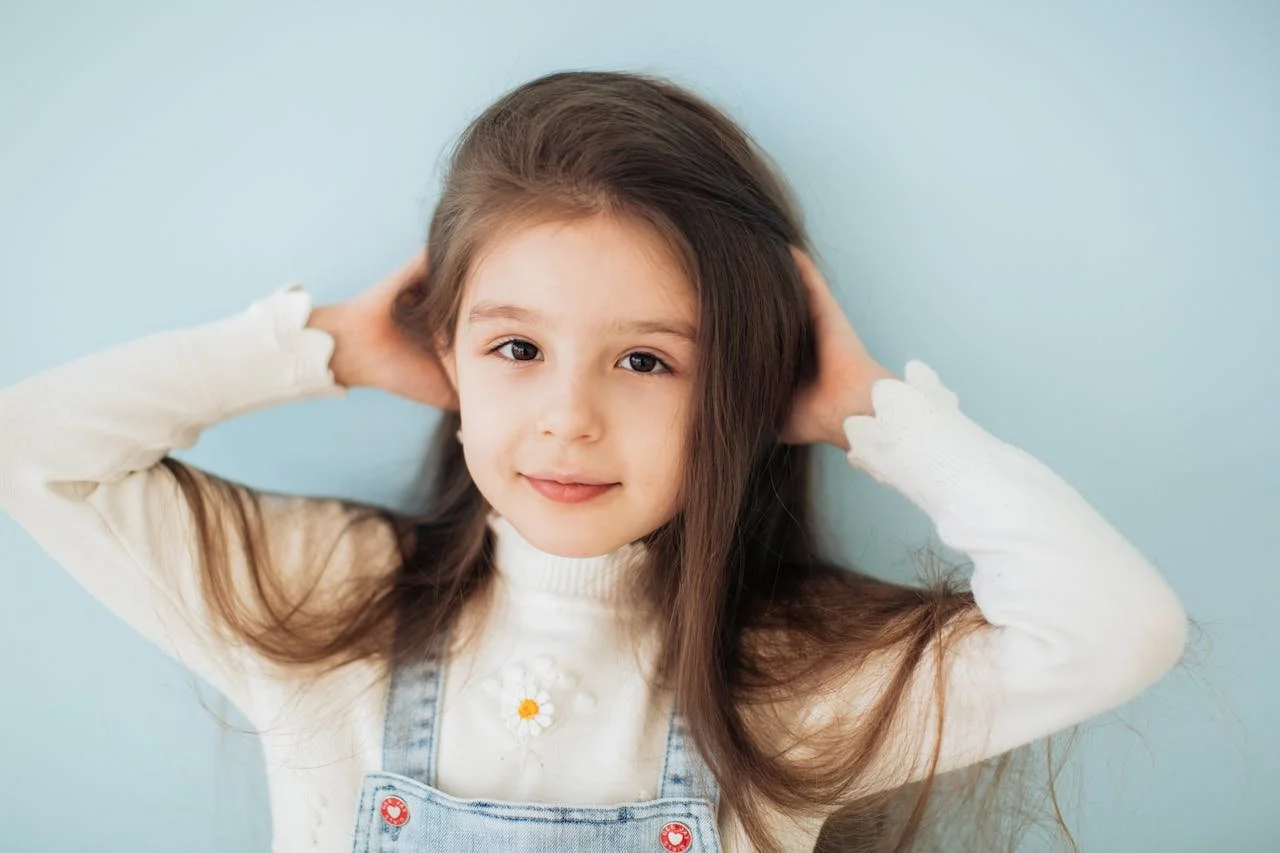
Sometimes, especially if parents are feeling a bit shy or aren't dressed up, focusing on just the hands can create some really beautiful and meaningful shots. These close-ups of hands – maybe a parent's hand holding a baby's tiny hand, or siblings' hands intertwined – can be incredibly touching. It's a way to show connection without needing full body poses. You can capture a genuine sibling connection with these photography ideas. Focus on love, laughter, and real emotion to create authentic photos of brothers and sisters’ sibling connection.
Avoiding Awkward Poses: Common Mistakes in Where to Put Kids Hands During Photoshoots
It's easy to fall into a few common traps when you're trying to get kids to pose naturally, especially when it comes to their hands. Sometimes, you end up with hands tucked away in pockets, looking stiff, or just sort of floating awkwardly in the frame. The goal is to make their hands look relaxed and purposeful, not like they're unsure what to do with them.
One big mistake is letting hands disappear entirely. If a child is wearing pants, for instance, having both hands shoved deep into their pockets can make their arms look shorter and the pose feel unnatural. Similarly, hands that are just hanging limply by their sides can look a bit unfinished.
Another common issue is the "clenched fist" or "tight grip." Kids might do this if they feel uncomfortable or are holding onto something too tightly. This just makes the whole image feel tense.
Here are a few things to watch out for:
The "Ghost Hands": When hands are hidden behind their back or tucked so far into pockets that they're barely visible. This can make the body shape look odd.
The "Frozen Fingers": Stiff, straight fingers that look like they're made of wood. This often happens when kids are trying too hard to hold a pose.
The "Empty Space": Hands that are just sort of floating in the air with no clear purpose or connection to the body or props.
The "Overly Busy Hands": Too much fidgeting or playing with clothing, hair, or objects can be distracting.
Sometimes, the simplest solutions are the best. Instead of forcing a pose, try giving them something small to hold or a gentle action to perform. It's about guiding them, not dictating every single finger.
Think about what feels natural. If they're standing, maybe one hand can rest lightly on their hip, or gently touch their leg. If they're sitting, their hands can rest on their knees or in their lap. It doesn't have to be complicated; it just needs to look comfortable and part of the overall pose.
Photographer Tips: Coaching Kids on Where to Put Kids Hands During Photoshoots Naturally
Getting kids to pose naturally can feel like herding cats sometimes, right? But it doesn't have to be a struggle. The trick is to make it feel like play, not work. Instead of telling them exactly what to do, try giving them little prompts. Think about what they'd be doing if you weren't there. At TRG Headshots, we manage your kid very well during a photoshoot, and you will get the best photoshoot of your kid.
Here are a few ways to guide them without them even realizing it:
Give them something to hold or interact with. This could be a favorite toy, a small prop like a flower, or even just their own shirt. It gives their hands a purpose.
Ask them to show you something. Maybe they can point to a favorite spot in the studio, or show you how they can make a funny face with their hands.
Encourage interaction between siblings. If they're playing together, their hands will naturally find their place – maybe holding hands, a gentle pat on the back, or a playful nudge.
The goal is to capture genuine moments, not stiff poses. If a child is fidgeting, sometimes that's the perfect moment to capture. It shows their personality.
Remember, kids are kids. They're not professional models. If their hands look a little awkward, that's okay. Sometimes those 'imperfect' moments are the most memorable and tell the best story. Don't be afraid to let them be themselves.
Try to keep the atmosphere light and fun. If you're stressed, they'll pick up on it. A relaxed photographer usually means relaxed kids, and that's when you get those amazing, natural shots. Sometimes, just letting them be for a few seconds can result in the best hand placements without you even having to say a word.
Getting kids to pose naturally for photos can be tricky. A common question is where to place their hands. Instead of letting them hang awkwardly, try guiding them to rest their hands on their hips, in their pockets, or gently touching their face. These simple adjustments can make a big difference in creating relaxed and genuine-looking pictures. For more helpful advice on making your photos shine, contact us today!
Frequently Asked Questions
-
Where kids place their hands can make a big difference in how a photo looks. If hands are just hanging there awkwardly, it can make the picture feel stiff or unfinished. When hands are placed naturally, like in pockets, holding something, or resting on a hip, it makes the photo look more relaxed and polished. It helps the whole picture feel more complete and natural.
-
The best way is to make it fun and natural! You can suggest simple things like putting hands in pockets, holding a favorite toy, or resting a hand on a parent's arm. Sometimes, just giving them something to hold, like a small prop, can help them feel more comfortable and guide their hands into a good spot without them even realizing it.
-
For standing poses, try having kids put one hand in their pocket, or let their arms rest naturally by their sides. They could also hold hands with a sibling or parent, or gently touch their own arm or chest. Just avoiding stiff, straight arms is key. A slight bend in the elbow or a relaxed hand makes a big difference.
-
When sitting, encourage kids to rest their hands on their lap or knees. They could also hold onto the edge of the chair or bench, or gently touch their legs. If they're sitting next to someone, they can rest a hand on their lap or shoulder. The goal is to avoid hands just dangling in the air, which can look awkward.
-
Props are super helpful! Giving a child a teddy bear to hug, a book to hold, or even a flower can give their hands something to do. This makes them look more natural and less like they're just trying to figure out what to do with their hands. It also adds an interesting element to the photo.
-
A common mistake is letting hands look stiff or frozen, like straight, rigid arms. Another is having hands clenched into fists or tucked away so much they disappear. Also, avoid having hands look unnatural, like floating in the air without a purpose. Keeping hands relaxed and connected to the body or a prop usually looks best.