
Professional Headshot Poses Female and Male for Strong Posture
Getting a good professional headshot is more than just smiling at the camera. It's about how you carry yourself, and that's where good posture comes in. Whether you're a guy or a gal, the way you stand or sit can make a big difference in how confident and capable you look. This guide is going to walk you through some simple ways to pose for professional headshots so you come across just right, no matter your field. We'll cover how to stand, where to put your hands, and what to avoid, all to help you nail that perfect shot. Strong posture in professional headshot poses helps you look more confident and approachable. Avoiding common mistakes like slouching or leaning too far back will improve your professional headshot poses.
Why Strong Posture Matters in Professional Headshot Poses
Okay, so you're getting your professional headshot done. You want to look good, right? Well, a big part of that is how you hold yourself. Think about it – your headshot is often the first thing someone sees when they look you up online, whether it's on LinkedIn, a company website, or somewhere else. If you're slouching or looking all hunched over, it just doesn't send the right message.
Good posture in a headshot makes you look more confident, capable, and approachable. It's like you're saying, 'I've got this,' without even having to say a word. It helps the camera capture your best angles and makes your whole face look more open and friendly. When you stand or sit up straight, your shoulders are back, and your head is held high, it projects a sense of self-assurance that people naturally respond to.
Here's a quick breakdown of what good posture can do:
Boosts Confidence: Standing tall naturally makes you feel and look more confident.
Improves Appearance: It can make you appear slimmer and more in proportion.
Enhances Approachability: An open, upright stance makes you seem more welcoming.
Creates a Stronger Impression: It signals professionalism and attention to detail.
When you're in front of the camera, your body language speaks volumes. Even subtle adjustments can make a significant difference in how you're perceived. It's not about being stiff; it's about presenting yourself in a way that feels natural yet conveys strength and reliability.
It's really not that complicated. Just imagine a string pulling you up from the top of your head. Keep your shoulders relaxed, not pulled up to your ears, and let your arms hang naturally. This simple awareness can totally change the vibe of your photo from 'meh' to 'wow'.
How to Prepare Your Body for Confident Professional Headshot Poses
Getting ready for your professional headshot session isn't just about picking out an outfit. It's also about getting your body in the right headspace and physical alignment. Think of it as a quick tune-up before the main event. A little preparation goes a long way in making sure your poses for professional headshots look natural and strong.
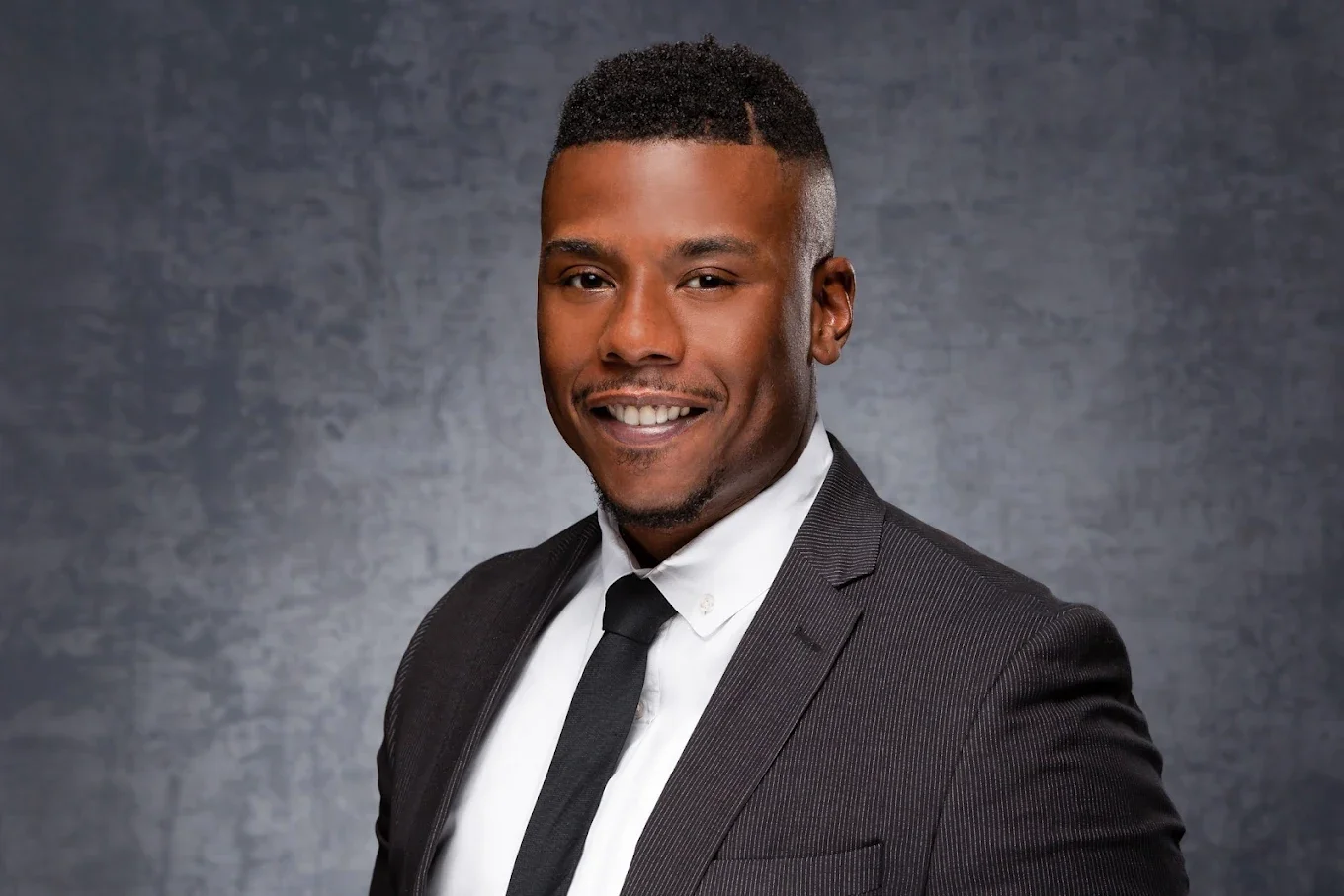
First off, let's talk about posture. It sounds simple, but so many people slouch without even realising it. Before you even step in front of the camera, do a quick body scan. Are your shoulders hunched forward? Is your head jutting out? Try to stand or sit up as tall as you can, imagining a string pulling you up from the crown of your head. Roll your shoulders back gently, but don't force them. You want to look relaxed, not like you're bracing for impact.
Here are a few things to focus on:
Spinal Alignment: Imagine a straight line running from your tailbone all the way up through the top of your head. This is your foundation for good posture.
Shoulder Placement: Keep them relaxed and slightly back. This opens up your chest and makes you look more confident and approachable.
Chin Position: Avoid tucking your chin too far down or tilting your head back too much. A slight downward tilt, almost like you're pecking like a chicken (but in a subtle, cool way), can help define your jawline and avoid unflattering shadows.
Weight Distribution: If you're standing, make sure your weight is balanced, or slightly shifted to one leg. This creates a more dynamic and less stiff stance.
A common mistake is to overthink it. The goal is to look like yourself, just a slightly more polished version. Focus on feeling comfortable and confident in your own skin. If you're tense, it will show. Take a few deep breaths before you start shooting.
Practising these simple adjustments in the days leading up to your shoot can make a big difference. It's not about striking a complicated pose; it's about presenting yourself in a way that feels authentic and strong. This physical readiness will translate directly into more confident and effective poses for professional headshots.
Professional Headshot Poses for Men: Building a Strong, Balanced Stance
When it comes to professional headshot poses male, the goal is to project confidence and competence without looking stiff. It’s not just about standing there; it’s about how you hold yourself. Think about your posture like you're a puppet with a string pulling you up from the top of your head. This helps lengthen your spine and keeps your shoulders from slumping forward, which can make you look less assured.
One of the most effective ways to achieve this is by angling your body slightly away from the camera. Instead of facing straight on, turn your chest about 10 to 45 degrees. This simple shift adds depth and dimension to the photo, making it more visually interesting. It also tends to be more flattering than a direct, head-on shot. Remember to keep your head turned towards the camera, making eye contact. This creates a connection with the viewer.
Here are a few key techniques to build a strong, balanced stance:
The Shoulder Angle: Turn your body so one shoulder is closer to the camera. This creates an asymmetrical balance that’s pleasing to the eye and helps you look more relaxed.
The "Chicken Neck": This sounds funny, but it works. As you stand tall, your head can sometimes go back. Instead, gently push your chin forward slightly, as if you're pecking like a chicken. This elongates your neck and presents a stronger jawline. Drop your chin just a bit to avoid looking down.
Weight Distribution: Don't stand with all your weight on both feet equally. Shift your weight onto one leg. This creates a more natural and dynamic stance, similar to how people naturally stand when they're relaxed and confident. Think of the cool, relaxed stance of Fonzie from Happy Days.
Hand placement is also important. Avoid crossing your arms tightly, as this can sometimes make you look closed off. If you do cross your arms, keep them loose and perhaps rest one hand on your hip. Hands on hips can convey a sense of readiness and self-assurance, but make sure your shoulders stay relaxed so you don't look tense.
Experimenting with these professional headshot poses, male options will help you find what feels most natural and project the image you want. It’s about finding that sweet spot between looking professional and approachable. A good photographer will guide you, but knowing these basics can make a big difference in your headshot session.
Professional Headshot Poses for Women: Elegant, Confident Posture Techniques
When it comes to professional headshot poses female, it's all about striking a balance between approachability and confidence. Think about how you want to be perceived – are you the go-to expert, the friendly collaborator, or the innovative thinker? Your posture can communicate a lot before you even say a word.
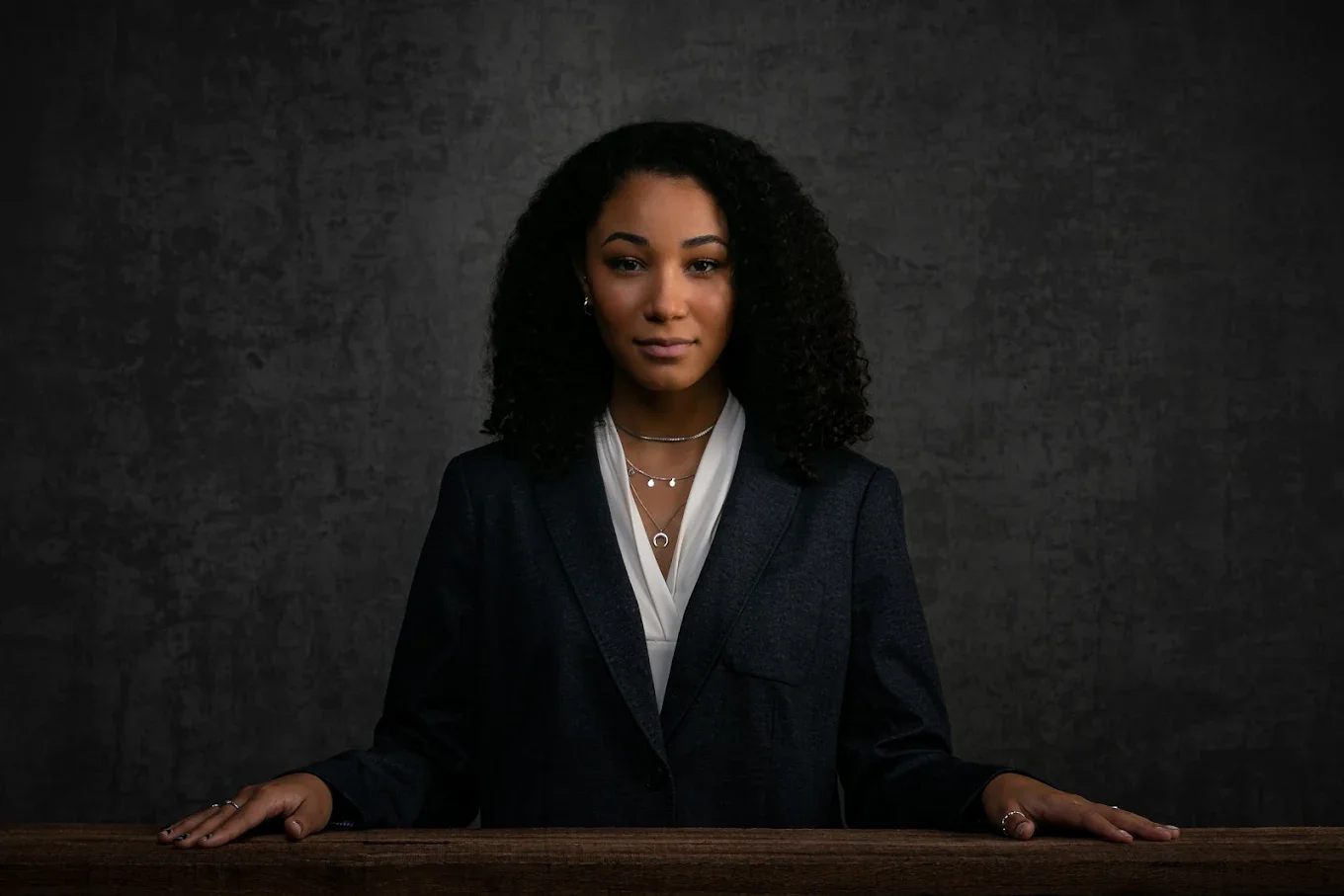
Good posture is key for any professional headshot pose, female or otherwise. It makes you look more assured and present. For women, this often means standing or sitting tall, with your shoulders relaxed and pulled back just a bit. Imagine a string gently pulling you up from the crown of your head. This simple adjustment can make a world of difference.
Here are a few techniques to consider for your professional headshot poses:
The Slight Angle: Instead of facing the camera straight on, try angling your body slightly away and then turning your face back towards the lens. This adds dimension and can be quite flattering. It helps avoid that flat, two-dimensional look.
Chin Down, Not Up: To avoid a double chin or harsh shadows, gently lower your chin a touch. It’s not about looking down, but rather finding that sweet spot that defines your jawline and looks confident.
Engage with the Lens: Think of the camera as a person you're having a pleasant conversation with. A soft, genuine smile and direct eye contact can create a warm connection. Avoid a forced grin; a natural expression is always best.
Hand Placement: Keep your hands relaxed. They can rest gently by your sides, be clasped loosely in front of you, or one hand can be placed lightly on your hip for a more dynamic feel. Avoid tense, clenched fists.
When you're preparing for your headshot session, take a moment to practice these poses in front of a mirror. Pay attention to how your body feels and how different positions affect your overall look. The goal is to feel comfortable and natural, which will translate into a more authentic and impactful image. Remember, your headshot is a tool to represent you professionally, so make it work for you.
Consider how different poses convey different messages. A classic, straightforward pose might be perfect for a corporate environment, while a slightly more relaxed or creative stance could work well for someone in a creative field. Exploring various professional headshot poses can help you find what best suits your personal brand and industry. The aim is to look polished, approachable, and confident, making a great first impression.
Upper Body Alignment: Shoulders, Chin, and Spine in Professional Headshot Poses
Getting your upper body alignment right is a big deal for professional headshots. It's not just about looking good; it's about how you come across. Think about it: a strong, straight spine and shoulders that aren't hunched over just scream confidence, right? It makes you look more capable and put-together.
The goal is to create a clean, strong line from your shoulders up through your head.
Here’s a quick breakdown of what to focus on:
Spine: Imagine a string pulling you up from the crown of your head. Stand or sit tall, but don't be stiff. You want to feel elongated, not rigid. This helps avoid that slumped look that can make you seem unsure.
Shoulders: Roll your shoulders back slightly, then let them relax down. This opens up your chest and makes your posture look more commanding. Avoid pulling them back too hard, which can look unnatural and tense.
Chin: This one's tricky. You want your chin level or slightly down, not jutting out or tucked in. A slight downward tilt can help define your jawline and prevent a double chin from showing up, especially in photos. It also helps you look directly at the camera without straining your neck.
Proper alignment helps the camera capture your best angles. It's about creating a visual foundation that supports a confident and approachable expression. When your body is aligned, your face naturally looks more engaged and present.
It's easy to forget about posture when you're thinking about smiling or what to do with your hands. But honestly, it's one of the most important things. Even a slight slouch can change the whole vibe of the photo. If you're sitting, make sure you're not sinking into the chair. Try to maintain that tall, upright feeling. A relaxed sitting position can still be strong and confident; you just need to be mindful of your core and back. For more on comfortable poses, check out the relaxed sitting position.
Think of it like building a house: you need a solid foundation. Your upper body alignment is the foundation for your headshot. Get it right, and everything else falls into place much more easily.
Hand Placement Tips for Natural and Powerful Professional Headshot Poses
Your hands can say a lot in a headshot, and getting them right is key to looking natural and confident. It's not just about your face; where your hands are and what they're doing adds to the overall message you're sending.

The goal is to make your hands look relaxed and purposeful, not like they're just hanging around awkwardly. Think about what you'd naturally do if you were standing or sitting and having a conversation. You wouldn't just let your hands flop around, right?
Here are a few ideas to keep in mind:
Resting at your sides: This is a classic for a reason. Let your arms hang naturally, maybe with a slight bend in the elbow. It's simple, clean, and lets the focus stay on your face.
Hands on hips: This can project a sense of confidence and readiness. Just be careful not to push too hard into your hips, which can make you look stiff. A relaxed hand placement here works best.
One hand in a pocket: This is a great way to add a touch of casual confidence, especially for standing poses. It keeps one hand occupied without looking forced.
Holding a prop: If it makes sense for your profession, consider holding something relevant, like a notebook, a pen, or even a coffee cup. Just make sure it looks natural and not like you're clutching it for dear life.
Arms crossed: This can convey a sense of authority or thoughtfulness. For a softer look, try a looser cross with your arms, and pair it with a slight smile.
When you're unsure, it's often best to keep things simple. Avoid clasping your hands tightly in front of you or putting both hands in your pockets, as these can sometimes look a bit unnatural or closed off.
Remember, your hands should complement your pose, not distract from it. If you feel awkward, it will likely show in the photo. A good photographer will guide you, but practising a few natural hand positions beforehand can make a big difference in feeling comfortable and looking your best.
It's also worth noting that different poses lend themselves to different hand placements. For instance, when sitting, your hands might rest on your lap or on the arms of the chair. The key is always to keep them looking relaxed and integrated into your overall posture.
Seated vs Standing: Choosing the Best Professional Headshot Poses for Your Style
So, you're getting your professional headshot done, and you're wondering if you should stand or sit. Honestly, both have their place, and the best choice really depends on the vibe you're going for and what feels most natural to you. Standing generally gives you more options for posing. You can play with your shoulder angle a bit more, and it often makes you appear a little slimmer. It's a classic for a reason, projecting confidence and approachability. Think about standing tall, shoulders relaxed, but back, and maybe a slight turn of the body away from the camera, with your face turned towards it. This simple stance can really make a difference in how you come across.
Sitting down can feel more relaxed, and it's a great way to convey a sense of calm or thoughtfulness. If you're going for a more approachable, down-to-earth feel, sitting might be the way to go. When you sit, make sure you're sitting up straight, not slumping. You can lean slightly forward towards the camera to create a more engaging look. It's all about maintaining good posture, whether you're on your feet or in a chair.
Here's a quick rundown:
Standing: Often preferred for a more dynamic and commanding presence. It allows for more variation in arm and hand placement and can create a stronger silhouette. It's a good default if you're unsure.
Sitting: Can feel more intimate and relaxed. It's excellent for conveying approachability and can be a good option if you want to appear more grounded or thoughtful.
Hybrid: Sometimes, a pose that looks like you're leaning against something while seated can offer the best of both worlds – a relaxed feel with a bit of structure.
Ultimately, the goal is to look comfortable and confident. Don't force a pose that feels awkward. Your photographer can help guide you to find the best position that highlights your strengths and aligns with your professional brand. A good headshot is about capturing your essence, and that's easier when you feel at ease.
Think about the message you want your headshot to send. Are you aiming for authoritative and strong, or friendly and accessible? Your choice of standing or sitting can subtly influence that perception. For many, standing offers a bit more versatility, and it's a solid choice for achieving that confident corporate headshot look. Standing up straight is key, no matter your choice.
Common Posture Mistakes to Avoid in Professional Headshot Poses
Alright, let's talk about what not to do when you're getting your professional headshot taken. It's easy to get caught up in the moment and forget the basics, but a few common posture slip-ups can really change how you come across.
First off, the dreaded slouch. You know, when your shoulders are all hunched forward and your spine looks like a question mark? This makes you appear less confident and approachable, plain and simple. It's like you're trying to shrink away from the camera instead of owning your space. Photographers will often tell you to stand up straight, and they mean it. Think about a string pulling you up from the crown of your head.
Another one is the "chicken neck." This happens when you try to get your head closer to the camera, and your neck juts forward awkwardly. It can create weird shadows and just looks unnatural. Instead, try leading with your nose slightly towards the lens, and keep your chin just a little bit down. It sounds simple, but it makes a world of difference.
Then there's the stiffness. Nobody wants to look like a mannequin. If your arms are glued to your sides or your hands are clenched into fists, it screams tension. Try to keep a little space between your arms and your body, and let your hands relax. Maybe one hand in a pocket, or just let them hang naturally.
Here are a few more things to watch out for:
Looking down too much: Unless it's a specific artistic choice, avoid looking down. It can make your chin look heavier and disconnect you from the viewer.
Leaning back too far: While a slight lean can be good, leaning back too much can make you seem distant or even arrogant.
Forcing a smile: A strained smile looks just that – strained. It's better to go for a natural, relaxed expression, even if it's just a slight upturn of the lips.
Remember, your headshot is often the first impression someone gets. You want it to say, "I'm capable, I'm friendly, and I'm here to do business." Good posture is a huge part of that message, so paying attention to these details will really pay off.
Finally, don't forget about your weight distribution. Standing with all your weight on one leg can make you look a bit off-balance. Try to distribute your weight evenly, or shift it slightly to one leg in a relaxed way, like you're casually standing around. It just looks more natural and grounded.
When taking professional headshots, it's easy to fall into common posture traps. Slouching or hunching can make you look less confident. Even small things like turning your shoulders too much can throw off the whole picture. Avoiding these simple mistakes helps ensure your headshot looks polished and professional. Want to learn more about getting the perfect shot? Visit our website for tips and to book your session!
Frequently Asked Questions
-
Good posture makes you look more confident and in charge. When you stand or sit up straight with your shoulders back, you appear more approachable and professional. It's like giving yourself a visual boost, making a great first impression for jobs or online profiles.
-
Try to imagine a string pulling you up from the top of your head. Stand or sit tall, pull your shoulders back slightly (but don't puff out your chest too much!), and keep your chin level. Relaxing your shoulders is key, so you don't look stiff.
-
While many poses work for everyone, some might feel more natural or convey a certain vibe. Men might try poses that show strength, like hands in pockets or a slight lean. Women might opt for poses that highlight elegance, like a gentle shoulder angle or a relaxed hand placement. The most important thing is to choose a pose that feels right for you.
-
Avoid letting your arms hang stiffly. You can try placing one or both hands lightly in your pockets, resting them on your hips, or gently clasping them in front. The goal is to look natural and relaxed, not like you're holding something heavy or are uncomfortable.
-
Both standing and sitting can work well! Standing often allows for a stronger, more upright posture. Sitting can feel more relaxed and is great for conveying approachability. Think about the message you want to send and what feels most comfortable for you.
-
Definitely avoid slouching, as it makes you look less confident. Also, don't dip your chin too low, which can create unflattering shadows, or tilt your head too much, which can look awkward. Keep your posture open and relaxed, not tense or closed off.