What Does a Professional Headshot Look Like for Models?
So, you want to know what makes a modeling headshot truly professional, right? It's not just about snapping a quick picture; it's about creating an image that tells a story and makes a casting director or client stop and take notice. Think of it as your visual resume, but way more engaging. A great headshot needs to capture your essence, your unique features, and hint at the versatility you bring to the table. It’s the first handshake, the initial introduction before you even step into the room.
Understanding What Does a Professional Headshot Look Like for Models
The goal is to present a clear, compelling image of yourself that highlights your best features and potential. This means paying attention to details that might seem small but make a big difference. It’s about showing your face clearly, with good lighting and a simple background that doesn't distract from you. You want the focus to be squarely on your eyes, your expression, and the structure of your face.
Here’s a breakdown of what goes into a professional modeling headshot:
Clarity and Focus: The image should be sharp, with your face as the undeniable subject. No blurry edges or out-of-focus elements where they shouldn't be.
Lighting: Good lighting is non-negotiable. It should illuminate your face evenly, bringing out your features without harsh shadows or blown-out highlights.
Background: Keep it simple. A plain, neutral background is usually best. Think solid colors like grey, white, or black, or a softly blurred environment that doesn't compete for attention.
Expression: This is where your personality shines. A genuine, engaging expression is key. It could be a subtle smile, a thoughtful look, or something more specific, depending on the type of modeling you're aiming for.
Wardrobe: Simple, solid-colored clothing is generally preferred. The aim is to complement you, not to be the main event. Neutral tones often work best to keep the focus on your face.
A professional headshot isn't just a photograph; it's a carefully crafted marketing tool. It needs to be technically sound, aesthetically pleasing, and most importantly, it needs to represent you authentically and effectively to potential employers in the modeling industry. Getting this right can significantly impact your career trajectory.
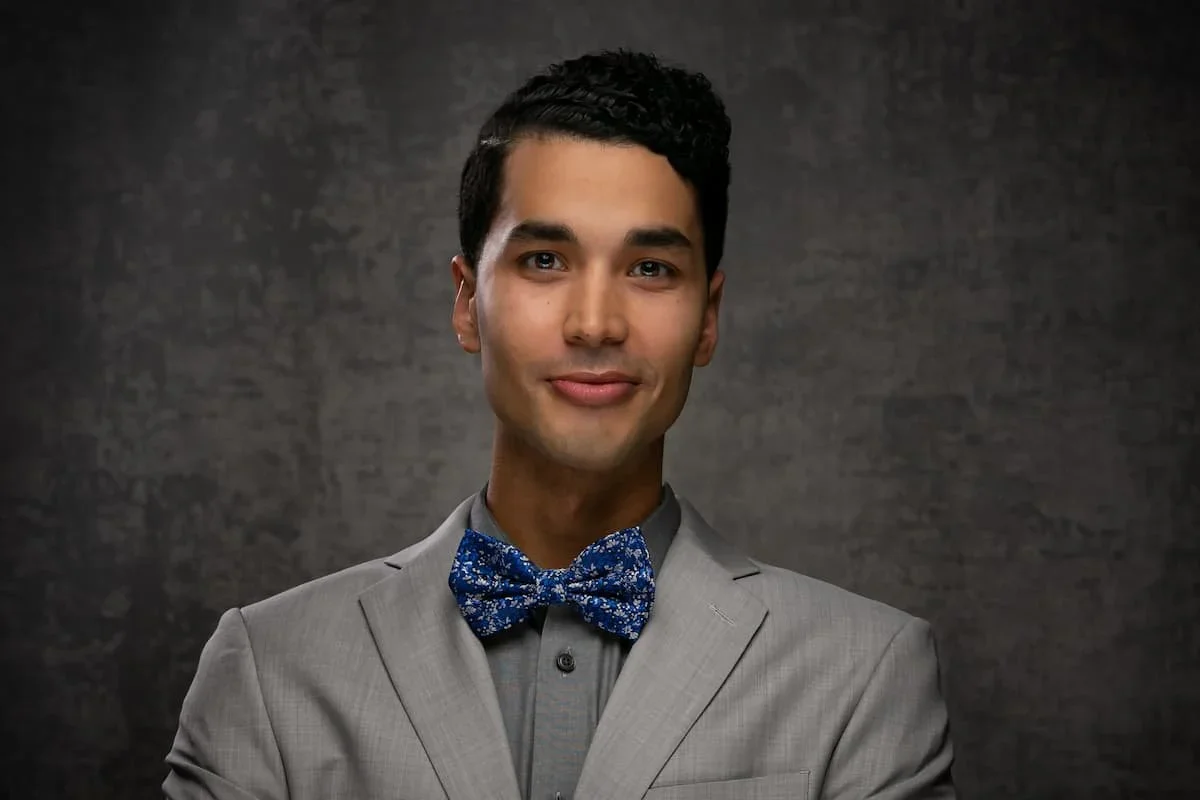
When you're looking at examples, you'll notice a pattern of simplicity and directness. It’s about showcasing your potential for various roles and campaigns. For instance, if you're interested in commercial modeling, your headshot might convey approachability and warmth. If you're aiming for high fashion, it might be more about striking a pose and showcasing a unique look. Understanding these nuances is part of what makes a headshot professional and effective for modeling jobs. It’s a balance of technical skill and personal presentation.
First Impressions Matter: What Does a Professional Headshot Look Like in the Modeling Industry
When you're trying to break into modeling, that first photo you send out is a really big deal. It's often the very first thing an agent or client sees, and they've seen thousands of them. So, what makes one stand out? It's not just about looking pretty; it's about showing them you can do the job. A professional headshot for modeling needs to be clear, simple, and show off your face and personality. Think of it as your visual resume.
The goal is to make a connection instantly, showing your potential without any distractions.
Here’s what goes into making that happen:
Clarity is Queen: Your face should be the absolute focus. This means simple backgrounds, usually a plain white, gray, or black. No busy patterns or distracting scenery. The photographer needs to see you, not what's behind you.
Lighting Matters: Good lighting makes a huge difference. It should be soft and even, highlighting your features without harsh shadows. Natural light is often best, but a professional photographer knows how to use studio lights to achieve that same effect.
Show Your Eyes: Your eyes are incredibly important in a headshot. They need to be clear and engaging. Looking directly into the camera creates a connection, showing confidence and approachability. This is especially true for commercial modeling work.
Keep it Simple: This applies to everything – your clothes, your hair, your makeup. The idea is to look like the best version of yourself, not someone else. Overly trendy outfits or heavy makeup can date your photo quickly and take away from your natural features.
A common mistake is trying too hard to look like a specific type of model. Instead, focus on presenting yourself authentically. Agencies want to see who you are, not who you think they want you to be. Your headshot should reflect your unique look and potential.
Think about the types of modeling you're interested in. A headshot for commercial work might be slightly different from one for high fashion. However, the core principles of clarity, good lighting, and a natural presentation remain the same. It’s about showcasing your potential to fit various roles and campaigns.
Lighting and Composition: Key Elements of What Does a Professional Headshot Look Like
When we talk about what makes a professional headshot really pop, lighting and composition are right up there at the top. It’s not just about pointing a camera and clicking; it’s about shaping the light to show you off in the best way possible and arranging the elements in the frame so they work together.
Good lighting can make all the difference in how your features are perceived. Think about natural light, for instance. Shooting near a window on a slightly overcast day can give you a soft, even glow that’s really flattering. If you’re in a studio, photographers often use a setup with multiple lights. A common approach is three-point lighting, which uses a key light, a fill light, and a backlight. This helps control shadows and highlights, making sure your face is well-lit without looking flat or harsh. It’s about creating dimension and drawing attention to your eyes and face.
Here’s a quick look at common lighting setups:
Natural Light: Best when diffused, like on a cloudy day or during the golden hour (early morning/late afternoon). It’s gentle and can make skin tones look great.
Studio Lighting: Offers more control. A key light is the main light source, a fill light softens shadows, and a backlight can separate you from the background.
Reflectors: These are used to bounce light back onto your face, filling in shadows and creating a more balanced look, especially when natural light is coming from one side.
Composition is about how the photo is framed. For headshots, the focus is almost always on your face and upper body. You’ll typically see shots from the chest or shoulders up. The idea is to keep the viewer’s attention right where it belongs – on you. A cluttered or distracting background can really pull focus away, so photographers often use a shallow depth of field to blur the background, making you stand out. This is why understanding things like ceiling height is important when planning your shoot, especially in smaller spaces.
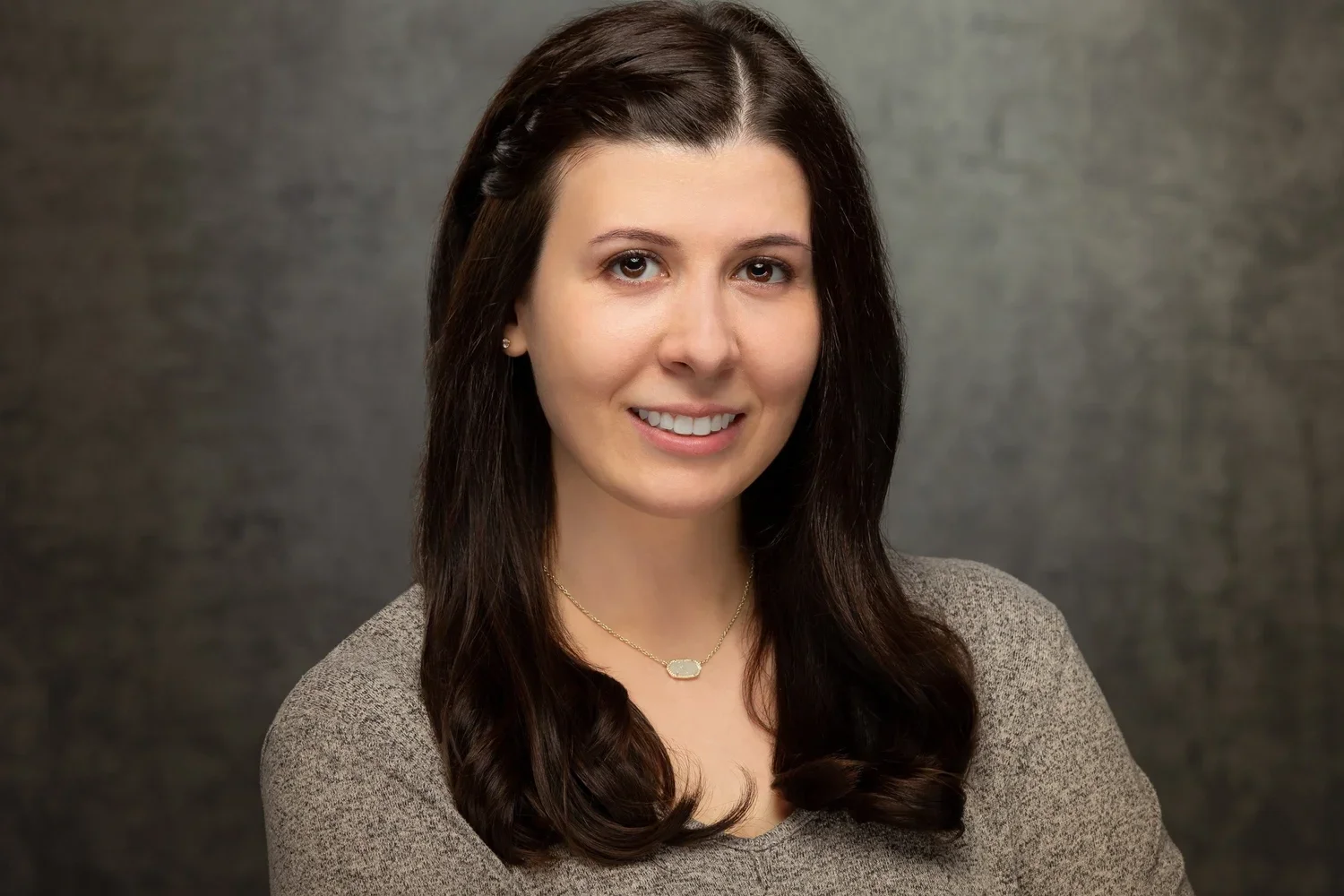
The framing should be tight enough to see your expression clearly, but not so tight that it cuts off your neck or jawline. It’s a balance that helps convey personality and professionalism without being too distant or too cropped.
When thinking about composition, consider these points:
Framing: Typically from the chest or shoulders up. Your head should be near the top of the frame.
Background: Should be clean and non-distracting. A blurred background is often preferred.
Rule of Thirds: While not always strictly applied in headshots, thinking about placing your eyes or face slightly off-center can sometimes create a more dynamic image.
Getting the lighting and composition right might seem technical, but it’s really about making sure the final image clearly and attractively presents you to the world.
Posing Techniques That Define What Does a Professional Headshot Look Like
When you're getting your headshot taken, how you position yourself is a big deal. It's not just about standing there; it's about showing off your best angles and giving off the right vibe. Think of it as telling a story with your body, even if it's just your head and shoulders.
The goal is to look natural and confident, not stiff or forced.
Here are some ways models approach posing for headshots:
Subtle Shifts: Instead of a rigid, straight-on pose, try angling your body slightly away from the camera. Then, turn your head back towards the lens. This often creates a more dynamic and flattering look.
Shoulder Placement: Play with how your shoulders are positioned. You can square them to the camera or angle them slightly. A slight angle can make the shot feel more relaxed.
Chin and Jawline: Experiment with tilting your chin up or down slightly, or bringing it forward a bit. This can help define your jawline and highlight your facial structure.
Eye Direction: Where you look matters. Most headshots have you looking directly into the camera, but sometimes a slight glance off-camera can add an interesting, thoughtful element.
It's really about finding what works for your face and your personality. What looks good on one person might not be the best for another. Spending time in front of a mirror, or even taking some practice shots with your phone, can help you discover your most flattering angles and expressions.
Don't be afraid to try different things. Our photographer will guide you, but having an idea of what you want to convey and how you feel comfortable posing will make a big difference. It's a collaboration to get that perfect shot.
Remember, the pose should support your expression and the overall message of the headshot. It's not about complicated contortions, but about subtle adjustments that make you look your best and most approachable.
Wardrobe and Styling Tips for What Does a Professional Headshot Look Like
When you're getting ready for a professional headshot, what you wear and how you style yourself are a pretty big deal. It's not just about looking good; it's about presenting the right image for the kind of modeling work you're aiming for. Think of your outfit and styling as another way to communicate your brand.
The goal is to have your clothing complement you, not distract from you.
Here are some things to keep in mind:
Color Choices: Solid, neutral colors are usually your best bet. Think black, white, gray, navy, or even muted earth tones. These colors keep the focus squarely on your face and expression. They also tend to look timeless and work well with various backgrounds. While vibrant colors can sometimes work to highlight your eyes or hair, it's a bit of a balancing act. If you do go for color, make sure it really works with your skin tone and the overall vibe you want to project.
Fit and Style: Your clothes should fit well. Nothing too tight that it looks uncomfortable, and nothing too baggy that it hides your shape. Simple necklines, like crew necks or V-necks, are generally safe. Avoid busy patterns, logos, or graphics, as they can be really distracting. The idea is to look polished and professional, not like you're wearing a t-shirt to a casual hangout.
Hair and Makeup: Keep your hair neat and styled in a way that frames your face well. For makeup, aim for a natural, fresh look. It's better to have less makeup that can be built up later if needed, rather than too much that looks heavy. The focus should be on enhancing your features, not covering them up.
Accessories: Less is often more. A simple necklace or earrings can add a nice touch, but avoid anything too large or flashy that might pull attention away from your face. If you're going for a specific look, like a beauty shot, then more dramatic makeup might be appropriate, but for general headshots, simplicity usually wins.
Remember, your headshot is often the first thing an agent or client sees. Your wardrobe and styling should convey professionalism and give them a clear idea of your look and potential.
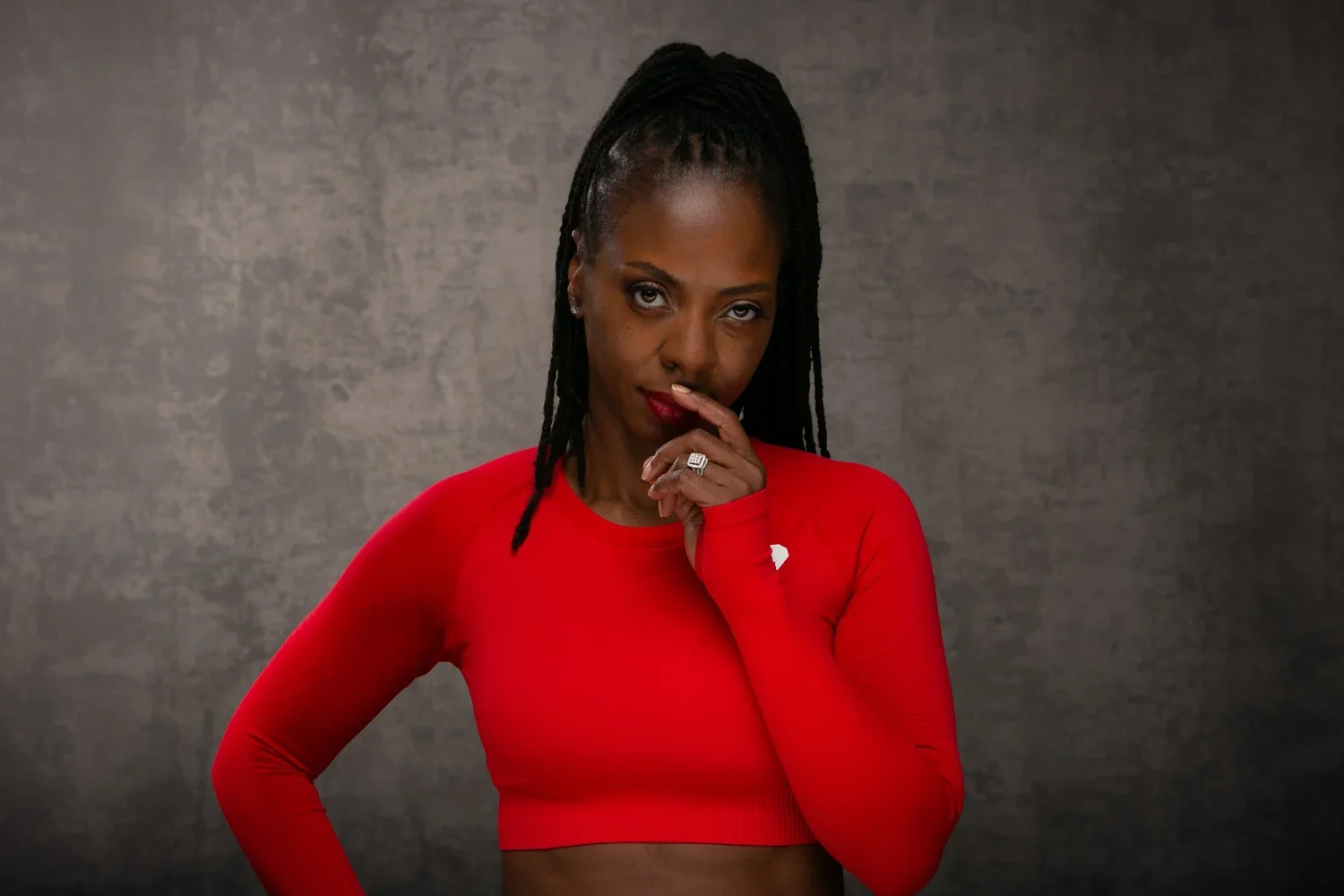
It's also a good idea to bring a few different top options to your shoot. This way, you and the photographer can experiment and see what looks best on camera. Sometimes a simple tank top or a well-fitting blouse can make all the difference.
Expression and Personality: What Does a Professional Headshot Look Like That Stands Out
A headshot isn't just about having a good face; it's about showing who you are. Casting directors and clients want to see a spark, something that makes you memorable. This means your expression needs to be genuine and connect with the person looking at the photo. A forced smile or a blank stare just won't cut it. Think about the kind of roles or jobs you're going for. Are you aiming for a friendly, approachable vibe, or something more serious and intense? Your expression should match that.
The eyes are often called the windows to the soul, and in a headshot, they're your most powerful tool for conveying emotion and personality. They should look engaged, not vacant. Practicing different expressions in front of a mirror can help. Try a soft, natural smile, a thoughtful look, or even a hint of playfulness. It's about showing a range, but always keeping it authentic to you.
Here are a few things to consider when working on your expression:
Authenticity is Key: Don't try to be someone you're not. A fake expression is easy to spot and can make you seem less experienced.
Connect with the Camera: Imagine you're talking to someone you know. This helps create a natural, engaging look.
Show, Don't Just Smile: A smile is great, but sometimes a more subtle expression can be more impactful. Think about conveying confidence, curiosity, or warmth without a full grin.
Consider Your Target Market: If you're going for commercial work, a bright, friendly look might be best. For more dramatic roles, a more intense or thoughtful expression could be more suitable.
Your headshot should feel like a snapshot of your personality, not a stiff portrait. It's the first impression you make, so make it count by showing a glimpse of the real you. This authenticity is what will make you stand out from the crowd and catch the eye of those making casting decisions.
Editing and Retouching: Refining What Does a Professional Headshot Look Like for Portfolios
After the photoshoot, the work isn't quite done. The editing and retouching phase is where your headshots get polished and prepared for your portfolio. It’s about making the best version of you shine through, not creating someone entirely new. Think of it as a final cleanup, not a complete makeover.
The goal is subtle enhancement, not drastic alteration.
Here’s what goes into refining your headshots:
Color Correction: This adjusts the overall color balance to make sure skin tones look natural and the image is neither too warm nor too cool. It also ensures consistency if you have multiple shots from the same session.
Exposure and Contrast Adjustments: Photographers will fine-tune the brightness and darkness to bring out detail in both the highlights and shadows, making the image pop without losing definition.
Blemish Removal: Small, temporary imperfections like a zit or a stray hair can be removed. This is about looking your best on that particular day, not erasing your natural features.
Eye Enhancement: Sometimes, a little work is done to make the eyes look brighter and more alert, perhaps by adding a touch more contrast or a subtle catchlight. Redness in the eyes can also be reduced.
Skin Smoothing: Very light smoothing might be applied to reduce the appearance of temporary skin texture or minor lines, but it should never make your skin look plastic or unnatural.
It's important to work with a retoucher who understands the modeling industry's standards. Over-editing can be a red flag for agencies and clients, suggesting you're trying to hide something or aren't comfortable with your natural look. The final image should still look like you, just a slightly more polished version.
When reviewing the edited images, pay close attention to how you look. Do the edits make you look more like yourself, or less? Are there any strange artifacts or unnatural smoothness? Your headshots need to be truthful representations of your appearance. If you're unsure, ask for a second opinion from a trusted friend or mentor. The right retouching makes your best features stand out, making your portfolio more compelling.
What Does a Professional Headshot Look Like That Impresses Agencies and Clients
So, you've got a great headshot, but does it actually get you noticed by the people who matter – the agencies and clients? It's not just about looking good; it's about looking like the right fit for the job. Agencies and casting directors see hundreds, maybe thousands, of these photos. Yours needs to stand out, not because it's flashy, but because it's clear, professional, and tells them exactly who you are and what you can do.
The most important thing is that your headshot looks like you on a really good day, not some heavily edited version. They need to see the real person they'll be hiring. If your headshot shows you with a full face of makeup and dramatic lighting, but the job requires a natural look, it's a mismatch. Keep the retouching light; nobody wants to see a photo that looks too airbrushed. Think of it as your calling card – it needs to be accurate.
Here’s what makes a headshot work for the pros:
Authenticity: Does the photo truly represent your current look and personality? Agencies want to see the person who will walk into the audition room.
Clarity: Is the focus sharp on your face? Is the background clean and non-distracting? A busy background or a blurry subject makes it hard to see you.
Professional Quality: Does it look like it was taken with good equipment and lighting? A "cheap" looking photo suggests you might not be serious about your career.
Versatility: Does it show different sides of you? While one shot might be your go-to, having a few options that show your range can be beneficial.
Agencies and clients are looking for professionalism and a clear sense of who you are. Your headshot is the first impression, and it needs to be a strong, honest one that makes them want to learn more about you. It's an investment in your career, and it should look like one.
Consider the type of work you're aiming for. If you want to do commercial work, your headshot might look different than if you're aiming for dramatic roles. Tailor your shots to show your potential. For example, if you're interested in beauty campaigns, a shot with polished makeup and styling can be effective, but always have a natural option ready too. It’s about showing you can fit into different scenarios. Don't be afraid to experiment with different expressions and angles during your shoot, but always bring it back to looking like yourself.
Want to know what makes a headshot really stand out to casting directors and clients? It's all about looking polished and professional. A great headshot shows your personality and makes a strong first impression. Ready to get a photo that opens doors? Contact us today to book your session!
Frequently Asked Questions
-
A professional modeling headshot clearly shows your face and personality. It uses good lighting, simple backgrounds, and natural expressions. The focus is on you, not on busy clothes or distracting elements. It's like a clear, appealing introduction to who you are as a model.
-
It's best to wear solid, neutral colors like black, white, gray, or navy. These colors help the camera focus on your face and features. Avoid loud patterns, logos, or anything too flashy, as they can take attention away from you.
-
Lighting is super important! Good lighting makes your features stand out and creates a pleasant look. Natural light, like from a window, is often great. Professional photographers know how to use lights to make you look your best without harsh shadows.
-
Generally, less is more for headshots. You want a natural look that shows your real skin and features. Some makeup is fine to even out your skin tone or highlight your eyes, but it shouldn't look heavy or like you're wearing a costume.
-
Your eyes are key! Make sure you're well-rested before the shoot. Use eye drops if needed to make them look bright. When you look at the camera, try to connect with it, as if you're talking to the person looking at the photo. Catchlights, which are small reflections in your eyes, can make them look lively.
-
Professional photographers have the right equipment and know-how to capture high-quality images. They can guide you on posing, lighting, and expressions to get the best shots that show your potential. They also know how to edit the photos to make them look polished and professional.