
How to Pose for a Good Headshot: Natural Poses
Getting a good headshot can feel like a challenge, right? You want to look professional, but also like yourself. It's not about striking a dramatic pose; it's about finding those small, natural adjustments that make you feel comfortable and look approachable. This guide will walk you through how to pose for a good headshot, focusing on making you look your best without feeling stiff or awkward. When figuring out how to pose for a good headshot, remember that a slight turn of your body away from the camera, with your head turned slightly towards it, often looks more natural than a straight-on shot. When considering how to pose for a good headshot, think about your head angle. A slight tilt can add interest, but avoid tilting too much or jutting your chin forward. Facial expressions should be genuine. A soft, natural smile or a thoughtful look often works better than a forced grin. We'll cover everything from body alignment to facial expressions, so you can get a photo that truly represents you.
Why Natural Posing Matters
So, you've got a headshot session coming up. Maybe it's for your LinkedIn profile, your company's website, or perhaps you're an actor looking for new representation. Whatever the reason, you want that photo to look good, right? Not just 'okay,' but genuinely good. And a big part of that comes down to posing. Now, the word 'posing' can sometimes make people think of stiff, unnatural stances, like a mannequin in a shop window. But that's exactly what we want to avoid here. The goal of a good headshot is to look like yourself, on a really good day.
Think about it. When you see a headshot where someone looks uncomfortable or overly posed, what's your first thought? Probably not, 'Wow, they seem approachable and competent.' More likely, you might feel a bit of distance. That's because our brains are wired to pick up on subtle cues. When someone looks relaxed and natural, it signals trustworthiness and ease. When they look tense or awkward, it can create a barrier.
Here's why natural posing is so important:
It builds connection: A natural pose makes you look more approachable, inviting people to connect with you. It’s like a friendly wave hello.
It shows confidence: When you're comfortable in your own skin, and your pose reflects that, it comes across as confidence. This is key for professional settings.
It looks authentic: People can spot a fake from a mile away. A natural pose ensures the photo represents who you actually are, not some stiff version.
It captures your personality: We all have unique ways of carrying ourselves. Natural posing allows those little quirks and your true personality to shine through.
Trying too hard to 'pose' can actually work against you. It often leads to tension in the shoulders, a forced smile, or an unnatural tilt of the head. The best headshots happen when you feel at ease, allowing your genuine self to come through. It's less about striking a dramatic pose and more about subtle adjustments that make you look and feel comfortable.
Ultimately, a headshot is a quick introduction. It's the first impression many people will have of you professionally. Making that impression feel genuine and comfortable is what natural posing is all about. It’s not about looking like a model; it’s about looking like the best, most approachable version of yourself.
Understanding the Purpose Before You Pose for a Good Headshot
Before you even think about striking a pose, it's super important to figure out why you need this headshot in the first place. What's the main goal here? Are you trying to land acting gigs, attract clients for your business, or maybe just update your LinkedIn profile? The purpose really shapes how you should present yourself. A headshot for an actor might need to show a bit more personality and range, while one for a lawyer probably needs to look serious and trustworthy.
Think about who will be looking at this photo. Different professions and industries have different expectations for headshots. For instance, a tech startup might prefer a more casual, approachable vibe, whereas a financial institution might lean towards a more formal and polished look.
Here’s a quick breakdown of how purpose influences your pose:
Actors: Need to convey emotion and character. Poses might be more dynamic or expressive.
Business Professionals: Aim for approachability and competence. Poses are often more straightforward and confident.
Creative Fields: Can often show more personality. Poses might be a bit more unique or artistic.
Medical/Legal: Typically require a very professional and serious demeanor. Poses should be clean and direct.
Knowing your audience and the intended use of your headshot is the first step to getting a photo that actually works for you. It helps you and your photographer zero in on the right style, expression, and overall feel. It’s not just about looking good; it’s about looking like the right kind of good for the situation. This is key for professional branding.
The context of your headshot matters more than you might think. It's the silent communicator that tells people who you are and what you do before you even say a word.
So, take a moment to consider where this photo will live and what message it needs to send. This clarity will make all the difference when you step in front of the camera.
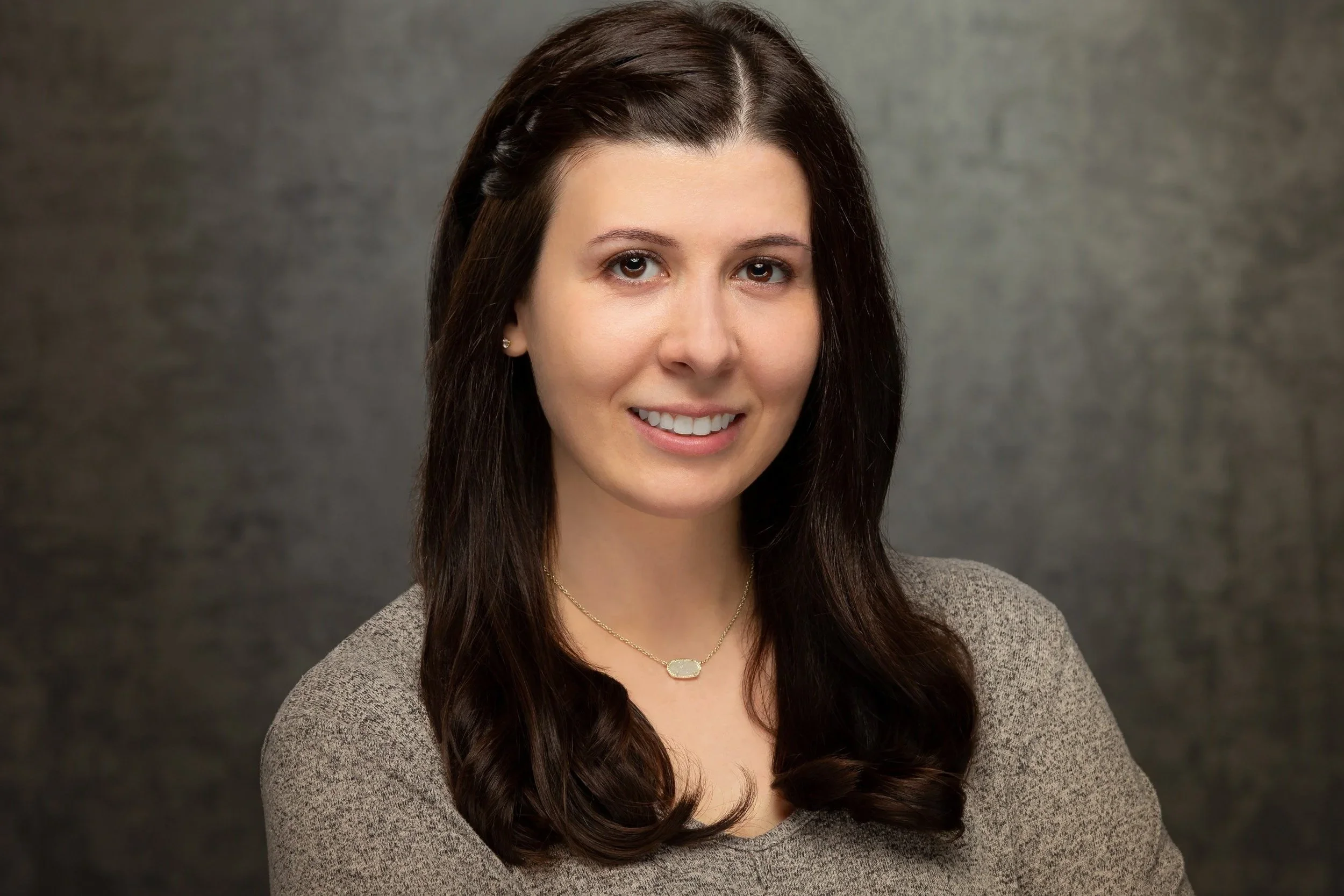
Basic Body Alignment Tips on How to Pose for a Good Headshot
Alright, let's talk about how you stand and position yourself for a headshot. It might seem like just your face matters, but your whole body plays a role in how natural you look. Think about it – if you're all stiff and awkward from the shoulders down, it's going to show in your expression, right?
First off, stand up straight. But don't go full soldier stiff. Shoulders back, yes, but keep them relaxed. Nobody wants to see you tensed up like you're bracing for impact. Imagine you're standing tall, but comfortably. A little space between your arms and your body is good too; don't hug yourself too tightly or let your arms hang like dead weights. It just makes you look more open and less… well, awkward.
Here are a few simple things to keep in mind:
Stand tall: Think about a string pulling you up from the crown of your head. It helps keep your spine long.
Shoulders back and down: This opens up your chest and makes you look more confident. Avoid hunching.
Slight lean: Sometimes, a tiny lean towards the camera can make you look more approachable and less like you're posing for a mugshot.
Weight distribution: Shift your weight slightly to one foot. It's more natural than standing perfectly square.
Your body alignment is the foundation for a good headshot. If your base is off, everything else will feel forced. Focus on being comfortable and relaxed in your stance, and the camera will pick up on that ease.
It's also helpful to think about how you naturally stand when you're just chatting with someone. You probably aren't locked into one rigid position. You shift your weight, maybe lean in a bit. Try to bring that same natural movement into your headshot pose. It’s not about complicated poses; it’s about looking like yourself, just a slightly more polished version.
How to Pose for a Good Headshot Using Proper Head Angles
Getting your head angles right is a big part of how to pose for a good headshot. It's not just about turning your head randomly; it's about finding that sweet spot that makes you look your best. Most people have a side that's a bit more flattering, and figuring that out is key.
Think about it: a slight tilt can add dimension, while keeping your head perfectly straight can sometimes look a bit flat. The goal is to create a natural look that highlights your features without seeming stiff.
Here are a few things to keep in mind when you're thinking about how to pose for a good headshot:
The Slight Turn: Instead of facing the camera head-on, try turning your body just a little bit. Then, gently turn your head back towards the camera. This creates a more dynamic look and can help define your jawline.
The Chin Tilt: A subtle upward or downward tilt of the chin can change the whole feel of the photo. Tilting up slightly can open up your eyes, while a slight downward tilt can sometimes emphasize your jawline. It's all about finding what works for your face.
The Eye Line: Make sure your eyes are looking towards the camera, or slightly off-camera if that's the look you're going for. The angle of your head should complement where your eyes are directed.
Remember, the aim is to look approachable and confident. It's not about striking a dramatic pose, but about finding a natural angle that makes you feel good. This is a big part of how to pose for a good headshot.
It might take a few tries to find your best angles, and that's totally okay. Don't be afraid to experiment a little during your session. A good photographer will help guide you, but knowing these basics about how to pose for a good headshot gives you a head start. Trying different angles is a simple yet effective way to improve your professional headshot poses for a more inviting look. It’s a small adjustment that can make a noticeable difference in how you come across in your photos.
Facial Expressions That Work Best When Learning How to Pose for a Good Headshot
Okay, so you've got your body positioned right, your head is angled just so, but what about your face? This is where the magic really happens, or where it can fall flat if you're not careful. We're not talking about a big, cheesy grin here. Think more subtle, more real.
The goal is to look approachable and confident, not like you're trying too hard.
What kind of expressions actually work? Let's break it down:
The 'Listening Smile': This is that gentle, slightly upturned smile you have when someone is telling you something interesting. Your eyes are engaged, and your mouth is relaxed. It shows you're present and attentive.
The 'Thoughtful Look': A neutral expression, but not blank. It's more like you're contemplating something, perhaps with a slight furrow of the brow or a soft gaze. This works well for conveying intelligence or seriousness.
The 'Subtle Amusement': A hint of a smile, maybe just in the eyes, or a slight curve of the lips. It suggests you're happy or find something mildly funny, without being over the top.
The 'Confident Gaze': This is less about a smile and more about your eyes. Direct, steady eye contact with the camera, conveying self-assurance and openness.
It's easy to fall into the trap of the forced smile. You know, the one where you hold it for too long and your face starts to ache? That usually looks exactly like what it is – forced. Photographers often suggest thinking of something genuinely funny or happy right before the shot, or even just taking a deep breath to relax your face. Sometimes, just closing your eyes for a second and then opening them can give you a fresh, natural look.
Remember, your headshot is often the first impression someone gets of you professionally. You want it to feel authentic, like you could have a real conversation with the person in the photo. Avoid expressions that feel stiff or unnatural, as they can make you seem unapproachable or even untrustworthy. Practice in a mirror, or even take some selfies, to see what feels most like you when you're relaxed and happy.
Trying to hold a smile for too long can make your expression look tired and unnatural. It's better to give a genuine smile for a second or two and let the photographer capture that moment. If you feel yourself getting tense, take a quick break, close your eyes, take a deep breath, and then try again. It really helps reset your face.
Eye Contact Techniques on How to Pose for a Good Headshot
Your eyes are really the window to your personality, right? So, when you're getting your headshot taken, how you use your eyes makes a huge difference. It's not just about looking at the camera; it's about connecting with whoever sees the photo.
The goal is to make your eyes look alive and engaged, not vacant or stiff. Think about what you want to communicate. Are you friendly? Serious? Approachable? Your eyes can say all of that without a single word.
Here are a few ways to get that connection right:
The Direct Look: This is the classic. Look straight into the lens. It feels direct and confident. But don't stare too hard; try to keep it relaxed, like you're just having a normal conversation.
The Soft Gaze: Instead of a hard stare, soften your gaze. Imagine you're looking at someone you like or something interesting. This can make you seem more approachable and warm.
Good Headshot With Relaxed Shoulders and Posture
Okay, so you're in front of the camera, and the photographer is ready. What do you do with your shoulders and your general body stance? It's actually simpler than you might think. The goal is to look comfortable and approachable, not like you're bracing for impact.
Think about how you stand when you're just chatting with a friend. You're probably not ramrod straight, right? You've got a natural, easy posture. That's what we're going for.
Here are a few things to keep in mind:
Stand tall, but not stiff: Imagine a string gently pulling you up from the crown of your head. This helps lengthen your spine without making you look rigid. Your shoulders should be back and down, away from your ears. No hunching!
Weight distribution: Try to put your weight on one foot slightly more than the other. This creates a subtle, natural curve in your stance and avoids that stiff,
Hand Placement Tips When Deciding on a Good Headshot
Okay, so your head and shoulders are looking good, but what about your hands? It might seem like a small detail, but where you put your hands can really change the vibe of your headshot.
The goal is to make your hands look relaxed and natural, not like they're just hanging out awkwardly.
Here are a few ideas for hand placement:
Hands in Pockets: This is a classic for a reason. It keeps your hands busy and can make you look more casual and approachable. Just make sure you don't shove your hands all the way in, leaving your thumbs sticking out awkwardly. A gentle placement, maybe just the tips of your fingers or one hand in the pocket, works best. It also helps to keep your arms from looking too wide.
Hands on Hips: This pose can give off a confident, ready-to-work energy. It opens up your posture a bit. Be careful not to push too hard into your hips, which can look aggressive. A light touch is usually all you need.
One Hand on Chin/Face: This can convey thoughtfulness or a bit of contemplation. It's a bit more of a deliberate pose, so make sure it feels genuine to you. Don't press too hard, and keep it soft.
Holding a Prop: If you're naturally going to be holding something, like glasses, a pen, or a book, let that happen! It can make the pose feel more organic. Just don't grip it too tightly.
Arms Crossed: While this can look strong, it can also sometimes read as defensive. If you go for this, try to keep your shoulders relaxed and maybe add a slight smile to balance it out. It's often better for more serious or corporate looks.
Remember, your hands are part of your overall body language. If they look stiff or uncomfortable, it'll show. Try to keep them loose and natural, as if you're just standing around talking to someone.
Avoid letting your hands just dangle straight down by your sides if you can help it. It can make your arms look disconnected from your body. If you're not sure what to do, ask your photographer! They've seen it all and can guide you to a pose that feels right.
Seated vs Standing: Pose for a Good Headshot Naturally
When it comes to getting a great headshot, whether you're sitting or standing can make a surprising difference in how natural you look. Both positions offer unique advantages, and knowing how to work them can really help you shine.
The standing pose is often the go-to because it allows for more dynamic body language. You can shift your weight, angle your body slightly, and generally feel more open. Think about standing with your weight balanced, perhaps leaning just a bit into the shot as if you're about to engage in a conversation. Keep your shoulders relaxed and down, not hunched up. A common starting point is to turn your body about 10-30 degrees away from the camera and then let your head follow, creating a more natural look than a straight-on shot.
When you're seated, the key is to avoid slouching. Try sitting on the edge of your chair or stool, keeping your spine tall. This posture makes you look more engaged and alert. Leaning slightly forward from the hips can also create a sense of approachability and dynamism, even while seated. It's a good way to appear relaxed and ready to connect.
Here’s a quick comparison:
| Pose Type | Advantages | Tips for Natural Look |
|---|---|---|
| Standing | More dynamic, open body language | Shift weight, relax shoulders, angle body slightly |
| Seated | Can appear more grounded, approachable | Sit tall, lean forward slightly from the hips, and avoid slouching |
Remember, the goal is to look like yourself on a good day. Whether you're standing or sitting, focus on comfort and subtle movements. Small adjustments can make a big difference in conveying confidence and approachability. Don't be afraid to try both positions to see what feels best for you and your professional headshot.
Ultimately, the best pose is the one that feels most authentic to you. Experiment with both standing and seated options during your session. A good photographer will guide you, helping you find those natural angles and expressions that make your headshot pop. It’s all about finding that sweet spot where you feel comfortable and look your best.
Pose for a Good Headshot Based on Face Shape
You know, it's funny how we all have different faces, right? Round, oval, square, heart-shaped... they all have their own little quirks. And when it comes to getting a great headshot, understanding your face shape can actually help you pose in a way that looks super flattering. It's not about hiding anything, but more about highlighting what makes your face unique.
Think of it like this: different shapes benefit from slightly different angles or ways of positioning your head. It’s not a strict rulebook, but more like helpful suggestions to get you started. For instance, if you have a rounder face, you might want to try turning your head slightly to create more definition. For a more square jawline, angling your head a bit can soften those strong lines. It’s all about playing with light and shadow, and how your features catch the camera.
Here are a few general ideas, but remember, practice is key:
Oval Face: You're pretty lucky! Most angles work well. Try a slight turn of the head and a gentle smile. You can experiment with looking slightly up or down, too.
Round Face: To add definition, try turning your head about 45 degrees. Bringing your chin down just a touch can also help create more angularity. Avoid posing straight on.
Square Face: To soften a strong jawline, try tilting your head slightly. Angling your body away from the camera and turning your head back towards it can also be effective.
Heart-Shaped Face: Often, the chin is more prominent. Posing with your head tilted slightly can help balance the proportions. Looking slightly down can also draw attention to your eyes.
Ultimately, the goal is to find poses that make you feel comfortable and confident. While face shape can offer some guidance, don't get too hung up on it. The best headshot is one where you look like yourself, just a really good version of yourself. Experimenting with different angles and expressions is the best way to discover what works for you. You can find some great modern headshot examples for inspiration.
Don't be afraid to ask your photographer for their opinion, too. They've seen a lot of faces and know how to work with different shapes to get the best shot. It's a team effort, really. The most important thing is that you feel good about how you look, and that the photo reflects your personality.
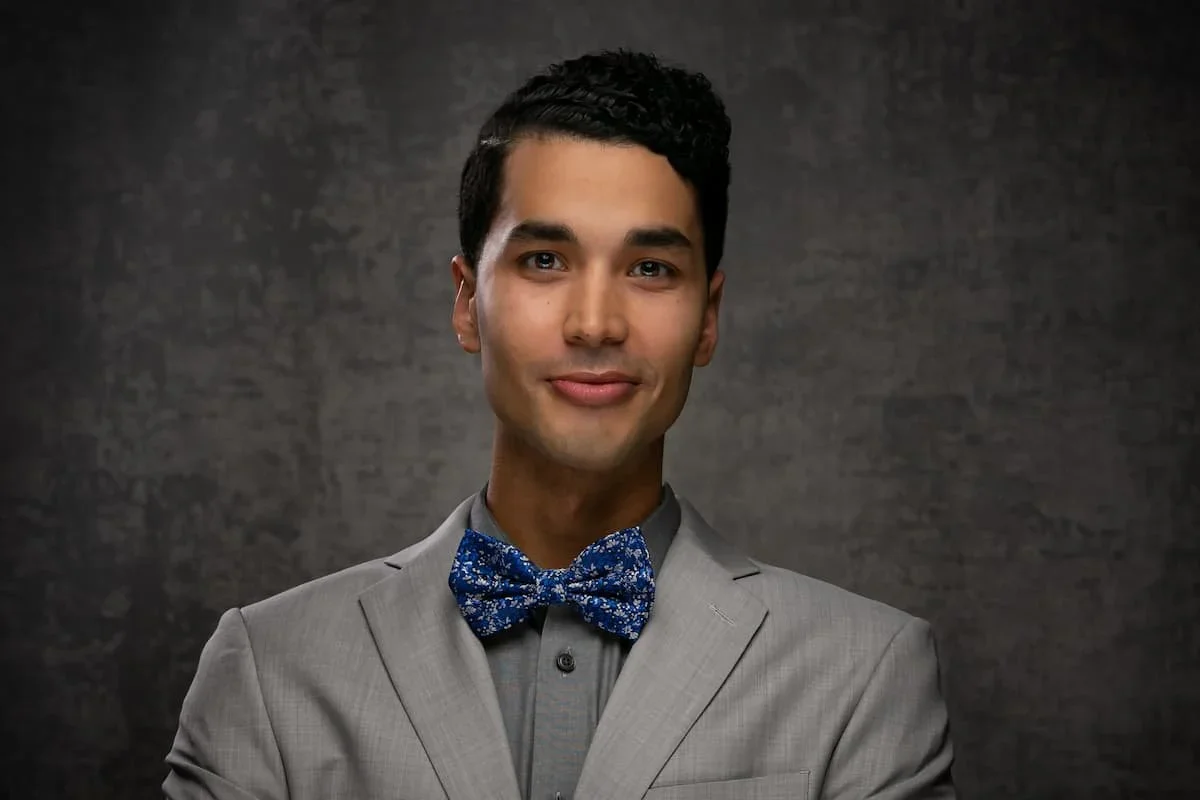
Common Mistakes to Avoid When Learning How to Pose for a Good Headshot
Okay, so you're getting ready for a headshot session, and you want to make sure you don't mess it up. It happens to the best of us! Sometimes, we get so caught up in trying to look perfect that we end up looking stiff or unnatural. Let's talk about some common pitfalls to sidestep.
One big one is trying too hard to look like someone else. You see a great headshot of a friend or a celebrity, and you think, "I want to look just like that!" But here's the thing: everyone's face is different. What works for them might not work for you. Instead of copying, focus on finding your own best angles and expressions. It takes a little self-observation, maybe even some trial and error with your photographer, but it's worth it.
Another mistake is holding a forced smile for too long. You know, that tight-lipped, slightly pained grin? Yeah, that's not fooling anyone. It makes your eyes look a bit vacant and just generally uncomfortable. It's better to have a relaxed, natural expression, even if it's not a full-on grin. Sometimes, a slight smirk or a thoughtful look is way more effective.
Here are a few more things to watch out for:
Stiff posture: Think about standing or sitting like a robot. Shoulders hunched, back rigid. It screams, "I'm uncomfortable and awkward!" Try to relax your shoulders and let your body settle into a natural stance.
Awkward hand placement: Hands can be tricky. Just letting them hang limply at your sides can look a bit odd. Stuffing them deep into pockets can also look unnatural. Think about where your hands might naturally rest – maybe one hand in a pocket, or resting gently on your lap if seated.
Staring blankly: While direct eye contact is important, holding it too intensely can look a bit intense or even vacant. It's okay to soften your gaze or look slightly away between shots. Think about how you'd naturally look at someone you're talking to.
A lot of people worry about their "flaws" and try to hide them, but honestly, most of the time, those aren't the things people notice. Focusing on highlighting your best features and letting your personality shine through is a much better strategy than trying to conceal something you're self-conscious about.
Finally, don't be afraid to communicate with your photographer. If a pose feels weird or you need a moment to reset, just say so! They're there to help you look your best, and they've seen it all before. A good photographer will guide you and help you avoid these common traps.
Final Tips on How to Pose for a Good Headshot With Confidence
Alright, we've covered a lot of ground on how to get that perfect headshot. Now, let's wrap it up with some final thoughts to really nail that confident look.
Remember, the goal here is to look like you, just the best version of you. It’s not about becoming a different person for the camera. Think about how you naturally stand when you’re talking to someone you like, or how you sit when you’re relaxed. Try to bring that feeling into the studio.
Here are a few quick things to keep in mind:
Practice makes… well, less awkward. Seriously, try some poses in front of a mirror. See what feels natural and what looks good. You don’t need to be a model, just get comfortable.
Communicate with your photographer. They’re there to help! If a pose feels weird or you need a moment, just say so. They can guide you and help you relax.
Think about your audience. Who is this headshot for? A potential employer? Clients? Your social media? Knowing this can help you choose an expression and pose that fit.
Don't overthink it. This is probably the most important tip. The more you stress about looking perfect, the less natural you’ll appear. Take a deep breath, trust the process, and let your personality shine through.
Sometimes, the best shots happen when you're not trying so hard. It's like when you're trying to get a good selfie, and it just looks forced, but then someone snaps a picture of you when you're laughing or talking, and it's perfect. That's the vibe we're going for.
Ultimately, a great headshot is a blend of good technique and genuine comfort. If you feel good, you’ll look good. So go in there, be yourself, and let that confidence shine through. You’ve got this!
Want to nail your next headshot? We've got some final tips to help you feel super confident in front of the camera. Remember, a great photo starts with feeling good about yourself. For more expert advice and to book your own amazing headshot session, visit our website today!
Frequently Asked Questions
-
Posing naturally helps you look relaxed and like yourself in your headshot. When you're comfortable, your photo shows confidence and approachability, which is what people want to see when they look at your picture for the first time.
-
The main goal is to make you look good and show your personality. It's not just about standing there; it's about showing you in a way that makes people feel like they know and trust you, whether it's for work or a personal brand.
-
Stand up straight with your shoulders relaxed, not stiff. Imagine you're leaning slightly towards the camera, like you're about to have a friendly chat. This makes you look open and engaged.
-
Don't face the camera straight on. Turn your body a little and let your head follow. Lowering your chin just a tiny bit and bringing your face forward slightly can define your jawline and make your eyes stand out more.
-
Avoid a stiff, forced smile. Aim for a natural, relaxed expression, like the one you'd have when listening to something interesting. It should feel warm and genuine, showing in your eyes as well as your mouth.
-
Don't stare too intensely. Try looking away and then looking back at the camera right as the picture is taken, as if someone you like just walked in. This makes your eyes look more alive and natural.
-
Keep your shoulders back and down, but not like you're in the military. Think about lengthening your neck, which helps avoid a double chin and makes you look more confident. Avoid slouching.
-
If your hands are in the shot, keep them relaxed. You can put them in your pockets or rest them gently on your lap or hips. Avoid tense hands or awkward placements; they should look natural and not be distracting.
-
Both can work well! If seated, lean forward slightly from your hips with a tall spine. If standing, keep your weight balanced. The key is to look relaxed and engaged, no matter your position.
-
Yes, knowing your face shape can help you find the most flattering angles. For example, if you want to define your jawline, angling your head slightly can make a big difference. Experiment to see what looks best for you.
-
Avoid looking too stiff, forcing a smile, or having tense shoulders and hands. Also, don't turn your body too much away from the camera or have unnatural eye contact. Keep it simple and relaxed.
-
Practice in front of a mirror, move around a bit during the shoot, and trust your photographer to guide you. Remember that the goal is to look like the best version of yourself, so take deep breaths and relax.