
Headshot Photo Examples: Corporate vs Personal Branding Styles
So, you need a new photo for your professional life, huh? It’s not just about looking good; it’s about showing people who you are and what you’re about. Whether you’re aiming for a corporate gig or building your own brand, the kind of picture you use really matters. We’re going to look at some headshot photo examples to help you figure out what works best for you.
What Are Headshot Photo Examples and Why They Matter
So, what exactly are headshot photo examples, and why should you even care? Think of them as your visual business card, but way more dynamic. These aren't just random snapshots; they're carefully crafted portraits designed to make a specific impression. A good headshot photo example is your first handshake, your quick introduction, and your professional summary all rolled into one. In today's world, where so much of our interaction happens online, these images are incredibly important. They show up on LinkedIn, company websites, and all sorts of professional profiles. People see these headshot photo examples before they ever meet you, so they really set the tone.
When you're looking at headshot photo examples, you're essentially trying to figure out how someone presents themselves professionally. It's about conveying trust, competence, and approachability. Whether it's for a corporate setting or a more personal brand, the goal is to have a clear, professional image that represents you well. We'll be looking at a lot of different headshot photo examples throughout this article, and understanding their purpose is key.
Here's why they matter so much:
First Impressions: They are often the very first thing people see. A strong headshot photo example can make someone want to learn more about you.
Professionalism: A well-done headshot photo example signals that you take your career seriously.
Brand Consistency: For businesses, consistent headshot photo examples across a team build a cohesive brand image.
Memorability: A distinctive headshot photo example helps people remember you.
The effectiveness of a headshot photo example lies in its ability to communicate key traits quickly. It needs to be clear, professional, and authentic, giving viewers a sense of who you are before any words are exchanged. This focused approach is what makes headshot photo examples so powerful in professional contexts.
We'll explore various headshot photo examples to help you understand the nuances and choose the best fit for your needs.
Understanding the Difference Between Corporate and Personal Branding Headshots
Okay, so you've probably seen a lot of photos online, right? Some look super formal, like they belong on a company's 'About Us' page, and others feel more… well, you. That's the main difference between corporate headshots and personal branding photos. They both show your face, but they do different jobs.
Think of a corporate headshot as your professional handshake. It's usually a straightforward shot, often from the shoulders up, with a clean, simple background. The goal here is to look polished, trustworthy, and competent. You'll see these on LinkedIn, business cards, or when a company wants to introduce its team. It's all about conveying professionalism and reliability.
Personal branding photos, on the other hand, are like a conversation starter. They go beyond just your face to show your personality, your passion, and what you're all about. These photos can be taken in various settings – maybe you're working in your studio, interacting with clients, or doing something you love. The idea is to tell a story and connect with people on a deeper level. They're great for websites, social media, and marketing materials where you want people to get to know the real you.
Here's a quick breakdown:
Corporate Headshots: Focus on professionalism, authority, and credibility. Usually a close-up with a neutral background.
Personal Branding Photos: Focus on personality, lifestyle, and storytelling. Can include more context, props, and varied locations.
The key takeaway is that while a corporate headshot says, 'I'm a professional,' a personal branding photo says, 'I'm a professional, and here's who I am and what makes me unique.' It's about showing your brand's essence, not just your face.
So, if you're aiming for a promotion within a large company or need a standard profile pic for a business directory, a corporate headshot is probably your best bet. But if you're an entrepreneur, artist, coach, or anyone looking to build a strong personal connection with your audience, personal branding photos offer a much richer way to represent yourself.
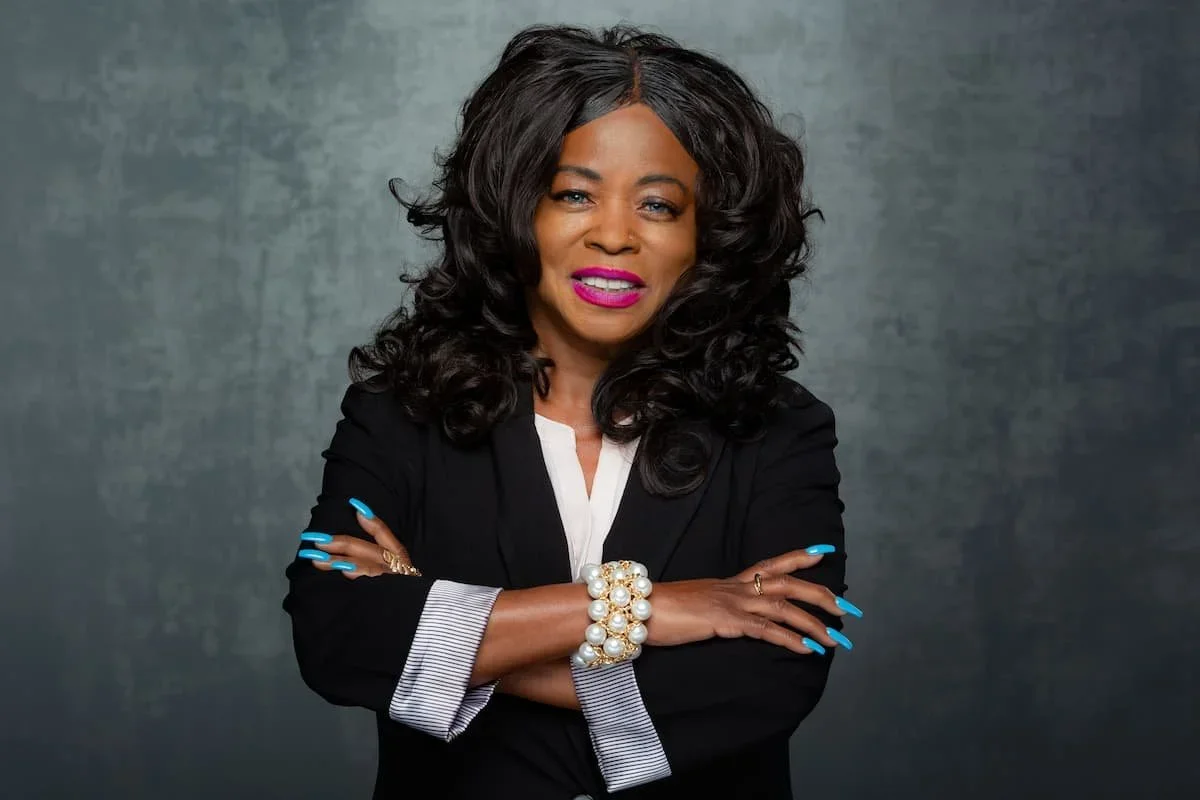
Key Elements to Look for in Professional Headshot Photo Examples
When you're sifting through headshot examples, whether for your own professional profile or for a team, there are a few things that really stand out. It's not just about a nice-looking photo; it's about what that photo communicates.
First off, pay attention to the focus on the face and expression. A good headshot makes you feel like you're looking at a real person, not just a stock image. The eyes should be clear, and the expression should feel genuine, whether it's a subtle smile or a more serious look. It needs to convey approachability and confidence.
Here are some things to keep in mind:
Background Simplicity: Does the background distract from the person? For most professional settings, a clean, uncluttered background is best. Think solid colors, subtle gradients, or a softly blurred environment. It keeps the attention right where it belongs – on you.
Lighting Quality: Look at how the light falls. Is it even and flattering, or are there harsh shadows? Good lighting makes a huge difference in how polished and professional someone looks. It should illuminate the face clearly without being overly dramatic.
Framing and Crop: How much of the person is shown? Typically, headshots focus on the shoulders up, sometimes a bit more. The framing should feel natural and not too tight or too wide.
Overall Tone: Does the image feel right for the intended purpose? A corporate headshot will have a different vibe than one for a creative professional. Consider if the style matches the industry and personal brand.
Think of a headshot as your visual handshake. It needs to be firm, clear, and leave a positive, lasting impression. If it's too busy, too dark, or the expression is off, that first impression might not be what you intended.
Consider this breakdown of common elements:
| Element | Corporate Style | Personal Branding Style |
|---|---|---|
| Background | Neutral, solid colors (gray, white, blue) | More varied, textured, or environmental backgrounds |
| Lighting | Even, soft, and flattering | Creative, dramatic, or natural lighting |
| Expression | Confident, approachable, professional | Varied expressions—energetic, candid, or relaxed |
| Attire | Business formal or business casual | Varies widely based on industry and personal brand |
Corporate Headshot Photo Examples: Style, Tone, and Purpose
When you think about corporate headshots, picture this: professionalism, reliability, and a clear message of competence. These photos are your digital handshake, the first visual cue someone gets about your professional persona. They're designed to build trust and convey that you're serious about your work. You'll see these types of photos everywhere, from company websites, especially on 'About Us' pages, to LinkedIn profiles and business cards. The main goal is to present a polished, approachable, yet authoritative image.
The core purpose of a corporate headshot is to establish credibility and a professional identity. It’s less about showing off your personality and more about demonstrating that you fit within a business context. Think of it as your official business portrait. They need to look good in a company directory or when you're quoted in an industry publication. It’s about looking like a solid, dependable member of a team or organization.
Here’s a quick breakdown of what you’re usually looking for:
Attire: Generally, this means business professional or business casual. Suits, blazers, smart blouses, and ties are common. The clothing should look neat and not distract from your face.
Expression: A genuine, warm smile is often best, but it should still feel professional. It’s about looking friendly and approachable, but also confident.
Pose: Typically, you’ll be looking directly at the camera or slightly off to the side. The posture should be upright and convey confidence.
Corporate headshots are all about making a strong first impression in a professional setting. They aim to communicate that you are a trustworthy individual who takes their role seriously. It's about presenting yourself as a reliable asset to any organization or client.
These images are pretty straightforward. They aren't meant to be artistic or overly creative. The focus is squarely on you, your face, and the professional impression you make. If you're looking for examples of how to present yourself in a business context, checking out modern professional examples can give you a good starting point.
Common Backgrounds Used in Corporate Headshot Photo Examples
When you see a corporate headshot, the background is usually pretty simple. The main idea is to keep the focus squarely on the person, not what's behind them. Think clean, uncluttered, and professional.
Here are some of the most common choices:
Solid White: This is a classic for a reason. It's bright, clean, and makes the subject pop. It gives a very crisp, almost studio-like feel.
Solid Gray: Grays, from light to dark charcoal, offer a bit more depth than white without being distracting. They can lend a sophisticated and serious tone.
Solid Blue: Often used to evoke feelings of trust and stability, a solid blue background can be a good choice for many industries.
Subtle Gradients: Sometimes you'll see a very soft fade from one shade to another, usually within the gray or blue family. It adds a touch of dimension without being busy.
Out-of-Focus Office Environments: Less common, but sometimes you might see a blurred office setting. The key here is blurred – you can tell it's a professional space, but you can't make out specific details that would pull attention away from the person.
The goal is always to create a polished and approachable image that screams 'competent professional.'
You won't typically find busy patterns, distracting objects, or outdoor scenes in corporate headshots. The background is there to support the subject, not compete with it. It's all about making sure the viewer's eye goes straight to the person and their professional demeanor.
Personal Branding Headshot Photo Examples: Style and Creative Freedom
When we talk about personal branding headshots, we're really stepping away from the super formal, one-size-fits-all approach. Think of it as showing the world not just your face, but a bit of your personality and what makes you, well, you. These photos are all about telling your unique story.
Unlike corporate headshots that often stick to a neutral background and a serious expression, personal branding photos give you a lot more wiggle room. You can be in your workspace, doing what you love, or even in a setting that reflects your hobbies. The goal is to create a connection with your audience, making them feel like they already know you a little.
Here’s a breakdown of what you might see:
Variety of Settings: Instead of just a studio backdrop, you might see someone in a coffee shop, a park, their art studio, or even their kitchen if they're a baker. It's about context.
Action Shots: You might be shown in the middle of doing something related to your work or passion – typing on a laptop, holding a tool, playing an instrument, or even mid-conversation.
Lifestyle Feel: These photos often have a more candid, natural look. They might capture genuine smiles, laughter, or thoughtful expressions.
Props and Styling: Personal items, favorite books, tools of the trade, or even pets can make an appearance to add layers to your story.
The key difference is that personal branding photos aim to showcase your personality and lifestyle, not just your professional appearance. They help people visualize your brand and connect with you on a more human level.
These images are designed to be more dynamic and engaging than a standard headshot. They invite viewers to get a glimpse into your world, making your brand more relatable and memorable. It's about creating a visual narrative that goes beyond a simple portrait.
For instance, a graphic designer might have a shot of them sketching ideas, while a fitness coach could have a photo of them demonstrating an exercise. It’s about showing, not just telling, what you’re passionate about. This approach is fantastic for social media, website 'About Me' pages, and any place where you want to build a strong, personal connection with your audience. It’s a way to stand out in a crowded online space and really let your individuality shine through. If you're looking to build a strong personal brand, these types of photos are incredibly effective.
How Clothing and Grooming Differ in a Headshot Photo
When you're looking at headshot photo examples, you'll notice that clothing and grooming are pretty big clues about whether the shot is meant for corporate use or personal branding. It's not just about looking good; it's about sending the right message.
For corporate headshots, the focus is usually on professionalism and projecting an image of competence and trustworthiness. Think about what you'd wear to an important meeting or a job interview. This often means sticking to solid, neutral colors that don't distract from your face. Blazers, button-down shirts, blouses, and simple dresses are common choices. The goal is to look polished and put-together, not trendy. The idea is to convey that you're serious about your work and your industry.
Personal branding headshots, on the other hand, offer a lot more wiggle room. Here, the clothing and grooming choices are about showcasing your personality and the unique vibe of your brand. If you're a creative type, you might opt for more colorful or unique outfits. If your brand is about being approachable and friendly, your attire might reflect that. It's about authenticity and letting your individuality shine through. You might see more casual wear, unique accessories, or even outfits that reflect a specific hobby or interest.
Here's a quick rundown:
Corporate: Solid, neutral colors; classic business attire (suits, blazers, blouses); neat, understated grooming.
Personal Branding: Wider range of colors and styles; can include casual wear, unique pieces, or outfits reflecting personality; grooming can be more relaxed but still intentional.
When it comes to grooming, both styles require you to look your best, but the interpretation differs. For corporate shots, it's about looking clean, well-maintained, and professional. Hair should be neat, and makeup (if worn) should be subtle. For personal branding, grooming still needs to be intentional, but it can align more with your personal style. If you have vibrant hair or a unique style, that's often embraced in personal branding photos. It's all about making sure your appearance supports the overall message you want to send. Choosing the right outfits for professional headshots can make a big difference in the final image.
The key difference lies in the intent. Corporate headshots aim for a universally understood image of professionalism, while personal branding headshots use clothing and grooming to tell a more specific, individual story about who you are and what you offer. It's about aligning your visual presentation with your professional identity and brand values.
Ultimately, whether you're going for a corporate look or a personal brand vibe, the goal is to present yourself in a way that is authentic and serves your purpose. Looking at various headshot photo examples can help you get a feel for what works best for different scenarios.
Facial Expressions and Body Language in Headshot Photo Examples
When you look at headshot photo examples, pay close attention to what the person's face and body are saying. It's not just about looking at the camera; it's about how you come across. For corporate headshots, you'll often see a more reserved, confident smile. Think of a slight upturn of the lips, conveying approachability without being overly casual. The eyes are usually directed straight at the lens, creating a connection. Shoulders might be squared or slightly turned, but the overall posture is upright and composed. This signals professionalism and trustworthiness.
Personal branding headshots, though, give you a lot more wiggle room. Here, you might see a genuine, open-mouthed laugh, a thoughtful gaze off-camera, or even a more relaxed, leaning pose. The goal is to show your personality and what makes you unique. It's about conveying energy, passion, or a specific mood that aligns with your brand. A relaxed stance or a hand gesture can add a lot of character.
Here's a quick rundown of what to look for:
Corporate: Confident, direct gaze; professional, warm smile; upright, composed posture.
Personal Branding: Expressive eyes; genuine smiles (from subtle to broad); relaxed, dynamic poses; can include props or environmental interaction.
The subtle shift in your expression can completely change how a viewer perceives you. A slight tilt of the head can convey curiosity, while a furrowed brow might suggest deep thought.
Body language is a silent communicator. In headshots, it's about projecting the right vibe. For business, that usually means stability and competence. For personal brands, it's about authenticity and connection. Think about what you want someone to feel when they see your photo – that's what the expression and pose should aim for. It's amazing how much you can communicate without saying a word, and getting these elements right is key to making your headshot work for you, whether it's for your LinkedIn profile or your personal website. You can explore different professional headshot poses to see how these elements come together.
Lighting Techniques Used in Different Headshot Photo Examples
Lighting is a huge part of what makes a headshot look the way it does, and it really changes depending on whether you're going for that corporate vibe or something more personal. For corporate shots, the goal is usually clarity and professionalism. Think of even, soft light that lights up your face without harsh shadows. This often means using multiple lights, maybe a main light and a fill light, to make sure everything is balanced. It’s all about looking approachable but also serious about your work.
Personal branding headshots, though? They give you way more freedom. You can play around with light to create a mood or tell a story. Maybe you want dramatic shadows to look edgy, or a warm, golden hour glow to feel inviting. Sometimes, photographers use natural light coming from a window, which can give a really soft, flattering look. It’s less about just showing your face clearly and more about conveying a feeling or a part of your personality.
Here’s a quick rundown:
Corporate Lighting:
Even and balanced
Minimizes shadows
Focuses on clarity and professionalism
Often uses studio lighting setups
Personal Branding Lighting:
Can be dramatic or soft
Aims to create mood and emotion
May use natural light or creative studio techniques
Supports the overall brand story
The way light hits your face can totally change how people perceive you. For corporate settings, you want to look reliable and put-together, so the lighting is usually straightforward. But for personal branding, you can get a bit more creative to show off what makes you unique.
Headshot Photo Examples for LinkedIn, Websites, and Social Media
So, you've got your headshot, but where does it actually go? Think about it: your LinkedIn profile, your company's 'About Us' page, maybe even your personal website or a professional blog. Each of these places has a slightly different vibe, and your photo needs to fit.
Your LinkedIn photo is probably the most important one for professional networking. It's often the first thing a recruiter, potential client, or collaborator sees. You want something that looks polished, approachable, and clearly shows your face. A good rule of thumb is to keep it professional, but not so stiff that you look like you're posing for a mugshot. Think friendly, confident, and competent.
Websites are a bit more flexible. For a company site, especially on a team page, you'll want consistency. Everyone should have a similar style – maybe the same background or lighting setup. This makes the team look cohesive and professional. On your own personal website, especially if you're a freelancer or creative, you have more freedom. You can use a photo that really shows off your personality and the kind of work you do. Maybe it's a more candid shot, or one taken in your workspace.
Social media is where things get really interesting. While a professional headshot is great for platforms like Twitter or even Facebook if you're using it for business, you might also use more casual shots for Instagram or other visual platforms. The key is to make sure the photo still represents you accurately and aligns with the overall brand you're trying to build. If your brand is playful and energetic, a super serious corporate shot might not be the best fit for your Instagram feed, even if it's fine for LinkedIn.
Here's a quick breakdown:
LinkedIn: Professional, clear, approachable. Think shoulders up, good lighting, neutral or subtly branded background.
Company Website (Team Page): Consistent style, professional, friendly. Often, uniform backgrounds and lighting.
Personal Website/Portfolio: Reflects your brand and personality. Can be more creative, but still needs to look professional.
General Social Media: Varies by platform and brand. Can range from professional to more casual and lifestyle-oriented.
The goal across all these platforms is to present an authentic and appropriate version of yourself. What works for a formal business proposal might not be the best fit for a casual networking event online. Think about the context and who you're trying to connect with.
Ultimately, having a few different types of headshots can be really useful. You might have one super-professional one for LinkedIn and official bios, and then a couple of slightly more relaxed ones for your website or social media that still look great but show a bit more of your personality.

Mistakes to Avoid When Comparing Headshot Photo Examples
When you're looking at different headshot examples, it's easy to get sidetracked. People often make a few common errors that can lead them to the wrong choice for their own photos. One big mistake is not thinking about why you need the headshot in the first place. Are you trying to look super professional for a corporate job, or are you aiming for a more approachable vibe for your personal brand? The examples you look at should match that goal.
Another pitfall is focusing too much on trends. What looks cool on Instagram right now might feel dated in a year or two. It's better to aim for a timeless look that represents you authentically. Also, don't just copy someone else's style without considering if it fits you. What works for a tech CEO might not work for an artist.
Here are some things to watch out for:
Ignoring the context: A headshot for a law firm's website will look very different from one for a freelance photographer's portfolio.
Overlooking the photographer's style: Each photographer has a unique way of shooting and editing. Make sure their style aligns with what you want.
Getting distracted by props or elaborate backgrounds: While these can be great for some branding photos, they can often detract from the main subject in a headshot.
Not considering the technical quality: Blurry images, poor lighting, or awkward cropping are immediate red flags, no matter how good the pose might seem.
It's really about finding a photo that feels like you, but the best version of you for the specific purpose you need it for. Don't get caught up in just picking the prettiest picture; pick the one that does the job.
Finally, remember that a headshot is just one piece of your overall image. It needs to work with your website, your social media profiles, and how you present yourself in other ways. Comparing examples is smart, but make sure you're comparing them with your own unique needs and goals in mind.
How to Choose the Right Style Based on Headshot Photo Examples
So, you've looked at a bunch of headshot examples, and now you're wondering which style is the best fit for you. It's not always a clear-cut decision, right? The key thing to remember is that your photo needs to do a job for you. Think about where this picture will live and who's going to see it.
Your goal is to pick a photo that accurately represents you and the message you want to send.
Here's a quick way to break it down:
Corporate Use: If this photo is mainly for your company website, LinkedIn profile, or business cards, you'll want something that screams professionalism. Think clean backgrounds, good lighting that makes you look approachable but serious, and attire that fits your industry. The goal here is to build trust and show you're a reliable professional.
Personal Branding: This is where you have more wiggle room. If you're an artist, a coach, a freelancer, or anyone building a personal brand, you can get a bit more creative. Your photos might show you in action, in your workspace, or with props that tell your story. The vibe is usually more relaxed and authentic, aiming to connect with your audience on a more personal level.
General Online Presence: For platforms like social media (outside of a strictly professional context) or personal websites, you might blend elements of both. You want to look good and professional, but also show a bit of your personality.
Consider this:
When you're comparing different headshot examples, ask yourself: Does this photo look like me on a good day, and does it fit the context where I'll be using it? If the answer is yes, you're on the right track. If it feels off, or like it belongs to someone else, it's probably not the right choice.
Ultimately, the best headshot is one that feels right to you and serves its purpose effectively. Don't be afraid to look at lots of examples and get a feel for what resonates. Sometimes, a slightly more casual shot can work even in a corporate setting if it's done well and still looks polished. It's all about finding that sweet spot.
Picking the perfect headshot style can feel tricky. We've got examples to help you see what works best for different looks. Ready to find your best angle? Visit our website to see more amazing headshot examples and book your session today!
Frequently Asked Questions
-
Think of it like this: a corporate headshot is like a formal handshake – it says 'I'm professional and serious about my work.' A personal branding photo is more like a friendly chat – it shows who you are, what you love, and what makes you unique. Corporate shots are for looking official, while branding photos help people connect with your personality.
-
In today's world, people often see your photo before they meet you. A good headshot makes a strong first impression online, whether it's on LinkedIn, your company's website, or a business card. It shows you're put-together and can be trusted.
-
Corporate headshots are best when you need to look very professional. This includes your LinkedIn profile, company website's 'About Us' page, business cards, or when you're featured in news articles. They help you look credible and serious.
-
Personal branding photos are great when you want to show off your personality and what you're passionate about. Use them on your website, social media, or anywhere you want people to get to know the real you. They help build a deeper connection with your audience.
-
For corporate headshots, the background is usually simple and plain, like white, gray, or black. This keeps the focus entirely on your face and makes you look clean and professional, without any distractions.
-
Absolutely! Personal branding photos can have all sorts of backgrounds. You can shoot in your favorite coffee shop, a park, your studio, or anywhere that tells a story about you and your work. It adds personality to the picture.
-
For corporate headshots, it's best to wear business or business-casual attire. Think suits, blazers, nice blouses, or button-down shirts. The goal is to look polished and professional, fitting for a serious work environment.
-
With personal branding photos, you have more freedom! You can wear outfits that show off your style and personality. It could be your everyday work clothes, something casual, or even an outfit related to your hobby or passion. It should feel authentic to you.
-
For corporate headshots, a confident, warm, and approachable smile is usually best. For personal branding, you can show a wider range of expressions – a genuine laugh, a thoughtful look, or a friendly smile. It's about showing your true emotions.
-
Corporate headshots often use even, balanced lighting to make sure your face is clearly seen without harsh shadows. Personal branding photos might use more creative lighting to set a mood or highlight a specific feeling, making the image more artistic.
-
It depends on the vibe you want. A professional corporate headshot works great for LinkedIn. If your personal website is more about your unique personality and brand, a personal branding photo might be a better fit. Sometimes, having both is the best option!
-
A big mistake is using an outdated photo or one that doesn't look like you anymore. Another is picking a photo that doesn't match where you'll use it – like using a super casual photo for a formal job application. Always make sure your photo is clear, recent, and fits the purpose.