Can A Professional Headshot Be Just Your Face for Branding
So, you're wondering if a professional headshot can really just be your face, right? It's a common question, especially now that so much of our professional lives happens online. We see all sorts of photos out there, from super close-ups to wider shots. The big question is, when you're trying to build your personal brand, can you get away with just a picture of your face? Let's break it down.
An Introduction to Modern Branding
In today's world, how you present yourself online matters. It's not just about having a business; it's about how people see your business, and often, that starts with you. A professional headshot is a key piece of this puzzle. It's your digital handshake, your first impression before any words are even exchanged.
Think about it: when you look up a new service provider or connect with someone on LinkedIn, what's one of the first things you notice? Their photo. A good headshot can make you seem approachable and competent, while a less-than-ideal one might make people scroll right past. This is especially true for entrepreneurs and freelancers, where you are the brand. People connect with people, not just logos.
So, can a professional headshot really be just your face? The short answer is yes, and it's becoming more common. We're moving away from the old-school, stiff, shoulder-up photos. Today's branding is more about authenticity and connection. A close-up shot can convey a lot of personality and emotion, which is exactly what modern branding aims for. It’s about showing who you are, not just what you do.
Here's a quick look at why this shift is happening:
First Impressions: Your photo is often the very first thing someone sees. It needs to count.
Personal Connection: People want to see the face behind the business.
Digital Presence: With so much interaction happening online, your profile picture is your ambassador.
The goal is to create an image that feels like you, that tells a story without a single word. It's about capturing your essence in a way that builds trust and makes people want to learn more about what you offer. This is where the art of the headshot meets the strategy of personal branding.
We'll explore how a simple, face-focused headshot can be incredibly effective for your brand. It's not always about showing your whole outfit or your office environment; sometimes, the most powerful message comes from a direct, engaging look straight from the camera. Finding the right look can be a game-changer for your online presence, and there are plenty of modern examples to draw inspiration fromfor your next headshot.
It's a shift from just 'having a photo' to strategically using your image to build your reputation and attract the right opportunities.
What Is Considered a Professional Headshot in Personal Branding
So, what exactly makes a headshot professional when we're talking about personal branding? It's more than just snapping a quick picture. Think of it as your visual handshake, the first impression you make before you even say hello.
A professional headshot is a carefully composed photograph, typically focusing on your face and shoulders, designed to represent you in a business or professional context. It's not a casual selfie or a vacation photo. The goal is to convey competence, approachability, and a sense of who you are in your career.
Here are some key things that define a professional headshot:
Clear Focus on You: The main subject is undeniably you. Distractions are kept to a minimum so your face is the star.
Good Lighting: This is huge. Harsh shadows or blown-out highlights can make you look unprofessional. Good lighting makes your features clear and pleasant.
Appropriate Background: The background shouldn't pull attention away from you. Often, it's a simple, solid color, a subtly blurred environment, or something that hints at your profession without being overwhelming.
Professional Attire: What you wear should fit your industry and the message you want to send. It's about looking polished and put-together.
Genuine Expression: A friendly, confident, or approachable expression is usually best. It makes people feel more comfortable connecting with you.
A professional headshot is essentially a tool. It's crafted to build trust and make you memorable in a crowded digital space. It tells people you're serious about your work and that you present yourself well.
When you see a headshot that just works, it's usually because these elements have been considered. It's about creating a positive, consistent image that aligns with your overall brand. It’s the difference between someone glancing at your profile and someone actually stopping to learn more.
Why People Ask: Can a Professional Headshot Be Just Your Face
It’s a question that pops up a lot, especially with how often we see close-up shots online these days. People wonder, "Can a professional headshot be just your face?" The short answer is usually yes, but it really depends on what you're trying to achieve.
Think about it: your face is where all the expression happens. It's how people connect with you, see your personality, and get a feel for who you are. In many situations, focusing just on your face can be super effective for branding. It cuts out distractions and puts the spotlight right where it matters – on you.
Here are a few reasons why this question comes up so often:
Digital Dominance: So much of our professional interaction now happens online. On platforms like LinkedIn, a clear, close-up shot can make you stand out in a sea of profiles. It's often the first thing someone sees, and it needs to make a good impression fast.
Simplicity and Impact: Sometimes, less is more. A tightly cropped shot can convey confidence and directness without needing a lot of background or context. It’s a bold statement.
Modern Aesthetics: Trends change, and what was considered standard years ago might feel a bit dated now. Many people are looking for a more contemporary feel for their professional images, and a face-only shot can fit that bill.
The core idea is that your face is the most recognizable and expressive part of you. When used effectively, a headshot that focuses solely on your face can communicate a lot about your personality and professionalism without needing to show your shoulders or torso. It’s about making a direct connection.
So, when you're thinking about whether a professional headshot can be just your face, consider the message you want to send. Is it about approachability? Authority? A specific vibe? Your face is a powerful tool in conveying that. The question of "can a professional headshot be just your face?" is really about finding the best way to represent yourself visually in today's world.

Face-Only Headshots vs Traditional Head-and-Shoulders Photos
So, what's the big difference between a headshot that's just your face and the more traditional kind that shows your head and shoulders? It really comes down to focus and what you're trying to communicate. A traditional head-and-shoulders shot gives a bit more context. You see your shoulders, maybe a hint of your clothing, which can add to the overall impression. It's been the standard for a long time, especially in more formal industries.
A face-only headshot, on the other hand, zooms in tight, putting your expression and eyes front and center. This extreme close-up is all about connection. It forces the viewer to really look at you, to see your personality, and to feel that direct engagement. Think of it like a conversation starter, but in photo form.
Here's a quick breakdown:
Traditional Head-and-Shoulders:
Shows more of your upper body.
Can include more about your attire and general presentation.
Often feels more formal or standard.
Good for establishing a professional presence without being overly intimate.
Face-Only Headshots:
Focuses exclusively on your face, often from the nose or eyes up.
Maximizes emotional impact and direct connection.
Great for conveying personality and approachability.
Works well for digital platforms where profiles are often displayed in small sizes.
The choice between these two styles isn't just about aesthetics; it's about strategy. What feeling do you want to evoke? What message are you sending before anyone even reads a word? A face-only shot is bold in its simplicity, demanding attention through your expression alone. It's a powerful tool for personal branding when used correctly, helping people recognize your story.
When you're looking at your online presence, especially on platforms like LinkedIn or social media, a face-only shot can really stand out. It's often cropped to be quite small, so having that tight focus ensures your face doesn't get lost. It’s about making that immediate, memorable impact. The traditional shot still has its place, of course, but for a modern, direct approach, the face-only style is definitely gaining traction.
When a Face-Only Headshot Works Best for Branding
So, when does a headshot that’s just your face really hit the mark for branding? It’s all about context and what you’re trying to say. A tight crop on your face can be incredibly powerful when your personal connection is the main selling point. Think about it: if people are hiring you specifically, not just a service or a product, then showing your face front and center makes perfect sense. It’s about building that immediate rapport and trust.
This approach really shines in a few key situations:
Coaching and Consulting: When clients are looking for guidance and a personal connection with an expert, a face-only shot can convey approachability and confidence.
Therapy and Counseling: Building trust is paramount here. A warm, direct gaze from a face-only headshot can make someone feel more comfortable reaching out.
Creative Freelancers: If your personal style and personality are a big part of your appeal – think artists, writers, or designers – a close-up can showcase your unique vibe.
Authors and Speakers: When you're the primary voice and personality behind your work, a strong facial image helps people put a face to the name they're reading or hearing.
It’s also super effective when you need to maintain a consistent look across many different platforms. Having one strong, face-focused image means it’ll look good whether it’s a tiny profile picture on social media or a larger image on your website’s ‘About’ page. It simplifies things and makes sure people recognize you instantly, no matter where they encounter your brand.
When your brand is essentially you, a face-only headshot isn't just an option; it's often the most direct way to communicate who you are and why someone should connect with you. It cuts through the noise and gets straight to the human element that drives connection and builds relationships.
Industries Where a Professional Headshot Can Be Just Your Face
So, can a professional headshot just be your face? In many fields, the answer is a resounding yes. Think about industries where your personal connection and immediate recognition are key. For example, coaches, therapists, and consultants often benefit from a close-up shot. It builds trust right away. People want to see who they're talking to, especially when it comes to personal development or sensitive business advice. A warm, direct gaze can make all the difference.
Creative professionals also find a lot of mileage in face-only headshots. Artists, writers, designers, and even actors can use a tight shot to convey personality and focus. It’s less about the environment and more about the individual's expression and style. This approach helps them stand out in crowded portfolios or online marketplaces. It’s a way to say, 'This is me, and this is what I bring.'
Here are some sectors where a face-focused headshot really shines:
Coaching & Consulting: Builds immediate rapport and trust.
Therapy & Counseling: Creates a sense of approachability and safety.
Creative Arts: Highlights individual personality and artistic flair.
Authors & Speakers: Emphasizes the person behind the message.
Real Estate Agents: Project confidence and a personal connection with clients.
In fields where your personal brand is your primary asset, a headshot that focuses solely on your face can be incredibly powerful. It cuts through the noise and gets straight to the point: you. This directness is often what potential clients or employers are looking for when they first encounter you online. It’s about making that initial connection feel genuine and immediate.
Even in more corporate settings, a well-executed face-only headshot can work, especially for roles that involve a lot of client interaction or public speaking. It’s about projecting confidence and approachability. For many, a strong professional headshot is a key part of their online identity, and a face-only shot can be the most effective way to achieve that.
When a Professional Headshot Should Include More Than Your Face
Sometimes, just your face isn't enough to tell the whole story. While a close-up can be great for certain platforms, other situations call for a bit more context. Think about industries where your environment or your actions are just as important as your expression. For example, a chef might need to show off their hands working with ingredients, or an architect might benefit from a shot that includes a hint of their design work.
The goal is to provide a fuller picture of who you are and what you do.
Here are a few scenarios where a broader shot makes sense:
Demonstrating a Skill: If your profession involves a specific physical action or a tangible output, showing that can be powerful. This could be anything from a musician holding their instrument to a writer typing at a desk.
Highlighting Your Environment: For some, the place they work is a key part of their brand. A photographer might want to show a bit of their studio, or a real estate agent might include a subtle background of a property.
Conveying a Specific Mood or Atmosphere: Sometimes, the background elements can help set a tone that a simple face shot can't achieve. This might be a cozy cafe for a barista or a bustling city street for a journalist.
When you're deciding on the framing for your headshot, consider what message you want to send beyond just your appearance. Does the background add to your story, or does it distract? It's a balance, for sure, but getting it right can make your photo much more impactful for personal branding.
For instance, if you're a consultant who travels frequently, a shot with a subtle, out-of-focus airport lounge or a cityscape in the distance might communicate your global reach more effectively than a plain studio backdrop. Similarly, a therapist might opt for a warmer, more inviting office setting to convey comfort and approachability, rather than a stark, face-only image.
How Facial Expressions Impact Face-Only Professional Headshots
When you're going for a headshot that's just your face, the expression you wear is pretty much everything. It's the main way you connect with whoever sees the photo. Think about it: a genuine smile can make you seem approachable and friendly, which is great if you're in a client-facing role. On the flip side, a more serious, direct gaze might convey authority and confidence, perfect for someone in a leadership position or a competitive field.
It's not just about smiling or looking serious, though. There's a whole spectrum in between. A slight smirk can suggest confidence with a hint of playfulness, while a thoughtful, slightly furrowed brow might communicate deep thinking or problem-solving skills. The goal is to have your expression align perfectly with the professional image you want to project.
Here are a few common expressions and what they can communicate:
Warm Smile: Approachable, friendly, trustworthy. Good for service industries, sales, and client relations.
Confident Gaze: Direct, authoritative, knowledgeable. Suitable for executives, lawyers, and consultants.
Subtle Smile/Smirk: Approachable yet professional, hints at personality. Works well for creative fields or entrepreneurs.
Neutral but Engaged: Calm, collected, observant. It can be effective for technical roles or those who prefer a more reserved persona.
Getting the right expression often comes down to feeling comfortable and relaxed. If you're tense, it'll show. A good photographer knows how to guide you to find that natural look that best represents you and your brand. It's about capturing your personality, not just a static image.
For platforms like LinkedIn, where first impressions are made in seconds, your facial expression is key. It's what helps people decide if they want to connect with you or learn more about what you do. A well-chosen expression can make all the difference in how yourpersonal brand is perceived.
The Role of Lighting in Face-Focused Professional Headshots
When you're aiming for a headshot that's just your face, lighting becomes super important. It's not just about seeing your features; it's about shaping how people perceive you. Good lighting can make you look approachable, confident, or serious, depending on how it's used.
Think about the different ways light can hit your face. Soft, diffused light, like on a cloudy day or from a large softbox, tends to be really flattering. It minimizes harsh shadows and makes skin look smooth. This is often a go-to for a friendly, open vibe.
On the flip side, more dramatic lighting, maybe with a stronger key light and some shadow, can add a sense of depth and intensity. This might work well for certain professions where a more serious or authoritative image is desired. It’s all about controlling those shadows and highlights to create the mood you want.
Key Light: This is your main light source. Its position and intensity dictate the overall look.
Fill Light: This light softens the shadows created by the key light. It helps control contrast.
Hair Light/Rim Light: This light comes from behind you and separates you from the background, adding a nice glow to your hair or shoulders.
The goal is to use light to highlight your best features and convey the right message without looking overdone.
Lighting is more than just illumination; it's a tool for sculpting perception. For face-focused headshots, mastering light means understanding how to shape the viewer's emotional response before they even read a word of your bio.
Background Choices When a Professional Headshot Is Just Your Face
When your professional headshot is all about your face, the background becomes a really important detail. It needs to support your image without stealing the show. Think of it like a frame for a painting – it should complement the art, not distract from it.
The goal is to keep the focus squarely on you and your expression.
Here are some common background approaches:
Solid Colors: Simple, clean backgrounds like white, grey, or even a deep blue can work wonders. They offer a very polished look and make your face pop. This is a safe bet for most industries.
Subtle Textures: A slightly textured background, like a soft fabric or a very faint pattern, can add a bit of depth without being busy. It’s a step up from a plain color, but it still keeps the attention on you.
Blurred Environments: Sometimes, a softly blurred version of a relevant environment can work. For example, a hint of an office setting or a natural outdoor scene, but so out of focus that it’s just a suggestion of place. This can add context without being distracting.
What you want to avoid are busy patterns, distracting objects, or anything that pulls the viewer's eye away from your face. If you're going for a face-only shot, the background should be as unobtrusive as possible. It's about creating a clean, professional look that highlights your personality and professionalism.
The right background helps your face-only headshot feel intentional and professional. It's not just about what's in front of the camera, but what's behind you too, making sure it all works together to tell your story.
Clothing and Styling Tips for Face-Only Professional Headshots
When your headshot is all about your face, what you wear becomes even more important. It’s not just about looking good; it’s about making sure your outfit supports your message without stealing the show. Think of your clothing as a supporting actor to your face.
The goal is to have your attire complement your expression and the overall vibe you want to project.
Here are some pointers to get you started:
Fit is King (or Queen): Whatever you choose, make sure it fits well. Nothing distracts more than ill-fitting clothes, whether too tight or too baggy. A well-tailored look shows attention to detail.
Color Matters: Consider colors that work well with your skin tone and hair color. Solid, muted tones or colors that align with your brand palette often work best. Avoid very busy patterns or neon colors that can be jarring in a close-up shot.
Necklines are Key: For face-focused shots, necklines are prominent. V-necks and scoop necks can be flattering. Turtlenecks or high collars can sometimes feel a bit constricting in a tight crop, but they can also work depending on your style.
Texture Adds Depth: Subtle textures in fabric can add visual interest without being distracting. Think about a fine knit, a soft linen, or a subtle weave.
Keep it Simple: Accessories should be minimal. A simple necklace or earrings can add a nice touch, but avoid anything too large or flashy that will pull focus from your face.
When in doubt, err on the side of simplicity. Your face is the main event, and your clothing should act as a frame, not a distraction. It’s about looking polished and professional, but also like yourself.
Consider these common outfit choices:
| Outfit Type | Best For | Considerations for Face-Only Shots |
|---|---|---|
| Solid Color Top | Most industries, versatile | Choose a color that complements your skin tone and brand. |
| Blouse / Button-Up | Professional, classic | Ensure it’s well-pressed; a simple collar works well. |
| Simple Sweater | Approachable, creative, business casual | Avoid bulky knits; a fine gauge is usually better. |
| Professional Jacket | Corporate, formal | Adds structure, but ensure it doesn’t overwhelm the frame. |
Cropping and Framing Rules: Can a Professional Headshot Be Just Your Face
When you're going for a headshot, that's just your face; how you crop and frame it really matters. It's not just about getting your mug in there; it's about how much of it you show and how it's positioned. Think about it like this: a tight crop can feel very intimate, drawing people right into your eyes. A slightly wider crop might give a bit more breathing room, maybe showing a hint of your shoulders or collarbone, which can sometimes feel a little more relaxed.
There are a few standard ways photographers approach this, especially when the focus is solely on the face:
Headshot Crop: This is usually from the top of the head down to just below the chin or the start of the neck. It's super focused and works great for profile pictures where space is limited.
Close-Up Crop: This might include a bit more, perhaps down to the collarbone or the top of the shoulders. It still keeps the face as the absolute main subject, but offers a little more context.
Tight Crop: This is really just the face itself, maybe from the hairline to just under the chin. It's intense and leaves no room for distraction.
The key is to make sure the framing supports the message you want to send. If you're aiming for approachability and warmth, a slightly looser crop might be better. If you want to convey intensity or a very direct message, a tighter crop could be the way to go.
You want the framing to feel intentional, not accidental. It should guide the viewer's eye exactly where you want it – usually right to your expression and eyes. If the crop feels awkward, it can pull attention away from what you're trying to communicate.
It's also worth noting how the framing works with different platforms. For something like a small avatar on a social media feed, a tighter crop is often necessary. But for a website banner or a larger profile picture, you might have a bit more flexibility. The goal is always to have your face be the undeniable star of the show, with the cropping and framing working in harmony to achieve that.
Face-Only Headshots for LinkedIn, Websites, and Social Media Branding
So, you're thinking about using just your face for your professional photos across LinkedIn, your website, and other social media spots. It's a pretty common question these days, and honestly, it can work really well. The key is making sure that a single shot does all the heavy lifting for your brand.
Think about it: when people first find you online, whether it's scrolling through LinkedIn or landing on your 'About Us' page, that photo is often the very first thing they see. It's your instant introduction. A good, clear headshot, even if it's just your face, can immediately tell people you're serious about what you do. It builds trust before you even say a word. It's like shaking someone's hand, but digitally.
Here’s why a focused, face-only headshot is a smart move for your online presence:
Builds Quick Recognition: Seeing the same face everywhere – LinkedIn, your personal website, maybe even a conference program – helps people remember you. It’s like a visual anchor for your brand.
Humanizes Your Digital Footprint: In a world that can feel pretty automated, a real face makes you seem more approachable. It shows there’s a person behind the profile, making connections feel more genuine.
Establishes Credibility Instantly: A professional-looking photo signals that you're put-together and take your career or business seriously. A blurry selfie? Not so much.
Creates a Memorable Impression: People remember faces. A well-done headshot can make you stand out from a crowd of generic profile pictures, making it easier for people to recall you later.
When you're using a face-only shot, the details really matter. The lighting needs to be spot-on to avoid weird shadows, and your expression should match the vibe you want your brand to have. Are you friendly and open? Confident and authoritative? That single image has to communicate it all.
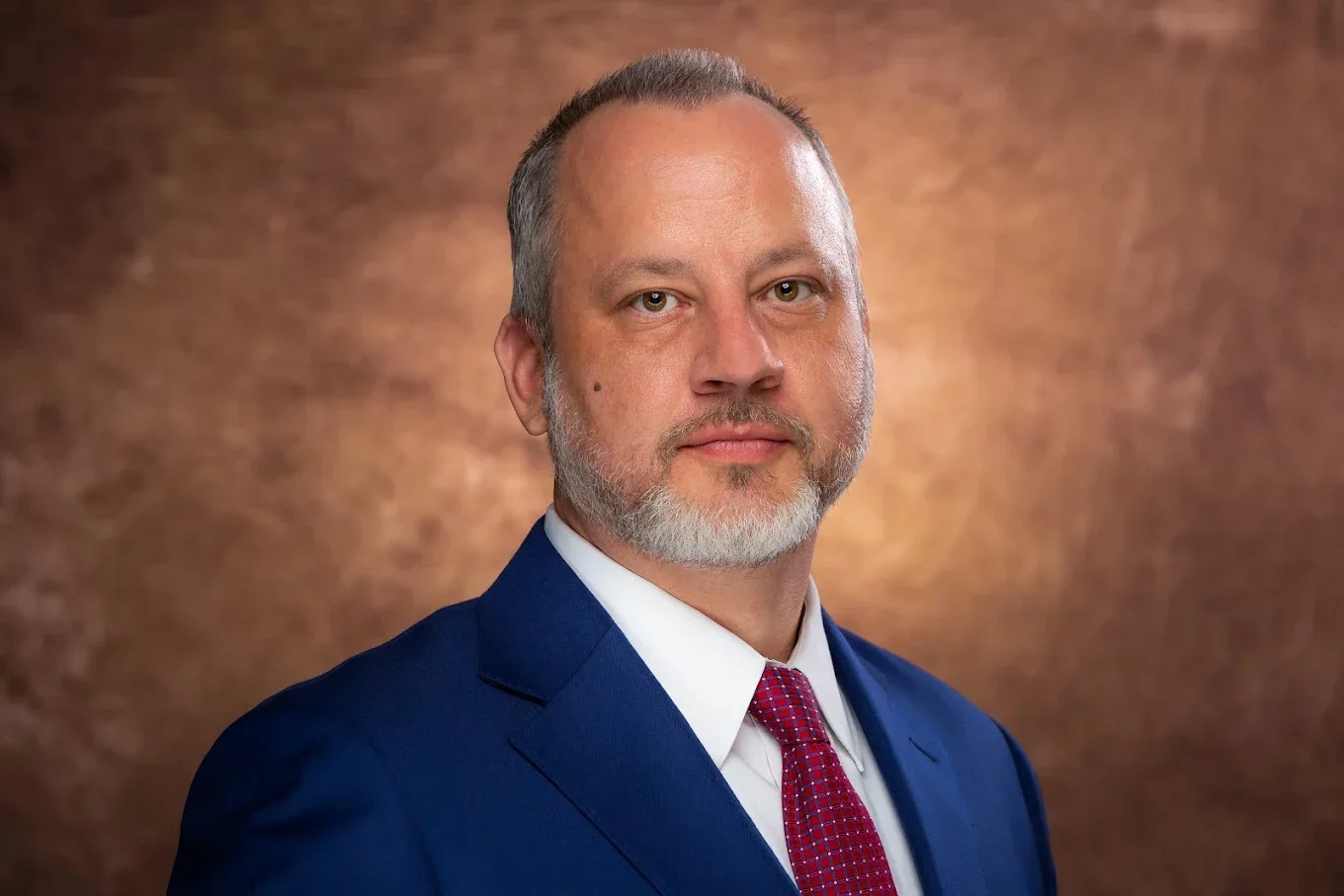
For platforms like LinkedIn, a strong headshot can mean the difference between someone scrolling past your profile and someone actually clicking to learn more. Studies show profiles with good photos get way more views and messages. On your website, it makes your 'About Me' section feel more personal and trustworthy. And for social media, it just makes your posts look more polished and professional. It’s all about making that first visual connection count.
Common Mistakes to Avoid With Face-Only Professional Headshots
So, you're thinking about going with a headshot that's just your face, huh? Smart move for certain branding goals. But, like anything, there are ways to mess it up. Let's talk about what not to do.
First off, using an old photo is a big no-no. Seriously, if your headshot is more than a couple of years old, it's probably time for an update. People notice. It might seem like no one will tell you your picture is dated, but they will notice. It can make you look out of touch, and that's not the vibe you're going for.
Another common pitfall is poor lighting. Even if it's just your face, bad lighting can make you look tired, create weird shadows, or wash you out. It’s like trying to read a book in a dark room – pointless. You want the light to be flattering, showing off your best features without being harsh.
Here are a few more things to watch out for:
Ignoring the background: Even with a close-up, the background matters. A cluttered or distracting background pulls attention away from your face. Keep it simple and clean.
The wrong expression: A blank stare or an awkward half-smile just doesn't cut it. You need to look approachable and confident. Think about what you want people to feel when they see your photo.
Unprofessional attire: Even if it's just your face showing, what you're wearing still counts. Make sure your clothing aligns with your industry and personal brand. No stained shirts or distracting patterns, please.
Low-quality image: Using a photo taken on your phone and then cropping it might seem like a shortcut, but it often results in a grainy, pixelated mess. Invest in a professional photographer; it makes a huge difference.
Don't let a simple headshot become a branding blunder. Pay attention to the details, even the small ones. A little effort goes a long way in making sure your face-only headshot actually works for you, not against you.
Finally, don't forget about cropping. While you want it to be face-focused, cutting off too much or framing it awkwardly can make the photo feel unnatural. You still want a bit of breathing room around your head.
How Photographers Decide if a Professional Headshot Can Be Just Your Face
So, you're wondering how a photographer figures out if a headshot can really just be your face, right? It's not just about pointing the camera and clicking. There's a bit of thought that goes into it, really. They're looking at a few things to make sure it works for your brand and what you're trying to show.
First off, they consider your industry. Some fields are super traditional, and a classic head-and-shoulders shot is expected. But for others, especially in creative or tech spaces, a tighter shot focusing just on your face can be really effective. It’s about making sure the photo fits where you’ll be using it. Think about LinkedIn versus a personal website; they might call for slightly different vibes.
Here’s a quick rundown of what they’re thinking:
Your Brand's Personality: Are you aiming for approachable, authoritative, creative, or something else? A face-only shot can really nail a specific emotion or vibe.
The Intended Use: Where will this photo live? A profile picture on social media might be perfect as just your face, but a company directory might need more context.
Your Comfort Level: Honestly, if you feel awkward or unnatural with a super tight shot, it’s going to show. A good photographer will work with you to find what feels right.
The Overall Message: What’s the one thing you want people to take away from seeing your photo? Sometimes, less background means more focus on you and that message.
The photographer's goal is to create an image that tells your story quickly and effectively. They're not just taking a picture; they're crafting a visual asset for your personal brand. It's a collaborative process, really. They'll chat with you about your goals and what you want to achieve with your photos. It’s about making sure the final image helps you stand out and connect with people, whether it’s for branding portraits or just a quick profile update.
Sometimes, a tight crop on your face is exactly what's needed to convey confidence and personality without any distractions. It forces the viewer to connect directly with you, which can be incredibly powerful in today's fast-paced digital world. It’s all about making that immediate impact.
Ever wondered if a professional headshot really needs to show your whole face? Sometimes, a photographer might decide that just your face is enough to capture your essence. It's all about making the right impression. Want to learn more about what makes a great headshot? Visit our website today to see our portfolio and get inspired!
Frequently Asked Questions
-
Yes, absolutely! A headshot that focuses just on your face can be very effective for branding. It puts all the attention right on you, showing your expression and personality clearly. This is great for making a strong, direct connection with people who see your photo online or on your business materials.
-
A professional headshot looks clean, well-lit, and focused on you. It usually shows your head and shoulders, or sometimes just your face. It's taken with good lighting, a simple background, and shows you looking confident and approachable. It's not a casual selfie or a blurry picture.
-
People ask this because they want their photo to be super clear and impactful. When only your face is shown, there are no distractions. It helps people recognize you instantly and get a feel for your personality right away, which is super important for building trust online.
-
A regular headshot often shows your head and shoulders. A face-only headshot zooms in even more, focusing just on your face. Both are professional, but the face-only style is more intense and direct, making your expression the main focus.
-
This style works best when you want to make a strong, personal connection quickly. It's great for social media profiles, like LinkedIn, or on websites where you want people to immediately see and connect with you. It's also good if your job relies heavily on your personal interaction and expression.
-
Many jobs can use this style! Think of coaches, consultants, therapists, artists, writers, or anyone who sells a service based on their personality and expertise. It's also good for people in sales or customer service roles where a friendly and trustworthy face is key.
-
If your job involves showing a specific environment, like a chef in a kitchen, a builder on a site, or a designer with their tools, you might want a wider shot. Also, if you want to show more of your style or how you interact with your work, a photo that includes more than just your face can be better.
-
Your expression is EVERYTHING in a face-only headshot! It's the main way you communicate. A genuine smile, a thoughtful look, or a confident gaze can make a huge difference in how people perceive you. It needs to feel authentic and match the message you want to send about yourself.