Professional Headshot Outfits Women: How to Match Your Style
Getting a professional headshot is a big deal for your career. It's often the first thing people see online or when you're introduced for a new opportunity. Because of this, what you wear matters a lot. It's not just about looking good; it's about sending the right message. This guide will help you figure out the best headshot outfits for women, making sure your photo helps you stand out for all the right reasons.
Professional Headshot Outfits Women Should Choose
Picking out what to wear for your professional headshot might seem like a small detail, but it really makes a difference. Your headshot is often the first thing people see online, whether it's on LinkedIn, your company's website, or a conference speaker bio. It's like your digital handshake, and the outfit you choose plays a big part in the impression you make.
The goal is to select attire that makes you feel confident, looks flattering on camera, and aligns with your professional image. It's not just about looking good; it's about conveying competence and approachability. Think of it as a strategic choice that supports your personal brand.
When selecting your outfit, consider these points:
Understand the context: Where will this headshot be used? A corporate environment might call for different attire than a creative industry.
Reflect your personal brand: Your clothing should feel authentic to who you are and the message you want to send about your work.
Prioritize comfort and fit: If you're uncomfortable or your clothes don't fit well, it will show in your expression and posture.
Choosing the right outfit is about more than just fashion; it's about presenting yourself authentically and professionally. It's a key element in creating a strong first impression that lasts.
We'll explore how to pick the best colors, fabrics, and styles that photograph well, ensuring your headshot helps you stand out for all the right reasons. For professional headshots, opting for polished and structured attire is generally recommended, like that found in business attire. This guide will help you make informed decisions, so your headshot truly represents you.
Why the Right Headshot Outfits Women Wear Matter for First Impressions
Think about it: your headshot is often the very first thing someone sees when they encounter you professionally online. Whether it's a LinkedIn profile, a company website, or a speaker bio, that image is your digital handshake. It needs to communicate competence, approachability, and professionalism instantly. The clothes you choose play a surprisingly large role in shaping that initial perception.
What looks great in person might not translate well on camera. Fabrics can wrinkle unexpectedly, colors can appear different under studio lights, and certain styles can become distracting when cropped to just your head and shoulders. The goal is for your outfit to support your face and expression, not compete with it. A busy pattern or a distracting neckline can pull focus away from what truly matters: you and your message.
Consider these points when selecting your attire:
Clarity at a Distance: Your headshot might be viewed as a small thumbnail. Simple, solid colors and clean lines tend to work best, ensuring you remain recognizable and clear.
Conveying Your Profession: Different fields have different expectations. A lawyer might need to project authority and trust, while a creative professional might aim for approachability and innovation. Your outfit should align with these unspoken cues.
Brand Consistency: If you have a specific brand color palette or a personal brand identity, your outfit can be a subtle way to reinforce it.
Your headshot outfit is a silent communicator. It needs to align with the professional image you want to project and the audience you aim to connect with. It's about making sure the visual message supports your spoken or written one, creating a cohesive and trustworthy first impression.
Ultimately, the right outfit helps build confidence, both for you during the shoot and for the viewer when they see your professional headshot for LinkedIn. It's an investment in how you're perceived before you even say a word.
Understanding Dress Codes: Corporate vs Creative
When you're getting ready for a professional headshot, the first thing to consider is the overall vibe you're going for. This really breaks down into two main categories: corporate and creative. They might sound simple, but they guide a lot of your choices.
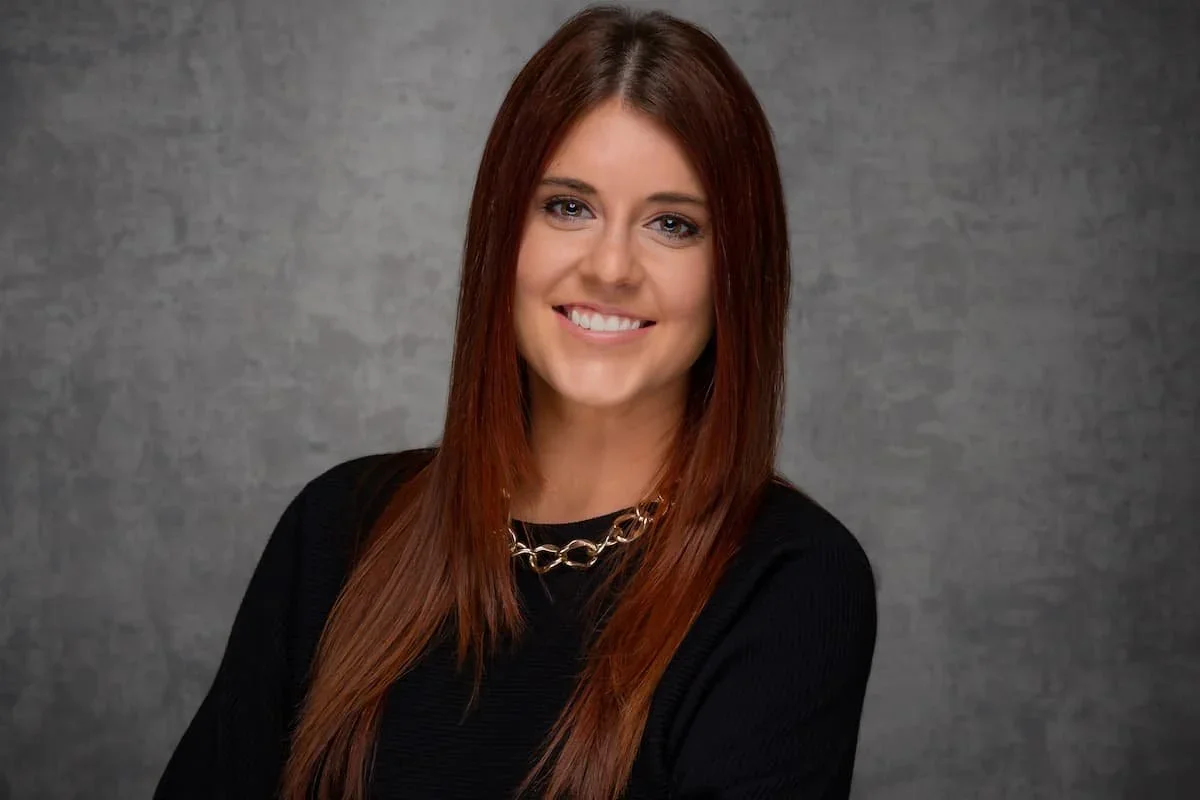
Corporate headshots are all about projecting professionalism, stability, and trustworthiness. Think about industries like finance, law, or traditional business settings. Here, the outfit needs to be conservative and polished. Solid, neutral colors like navy, charcoal gray, or deep burgundy often work best. A well-fitting blazer over a simple blouse or a classic sheath dress is a go-to. The goal is to look put-together and serious, without any distractions.
Creative headshots, on the other hand, allow for more personality and flair. These are great for fields like marketing, design, the arts, or tech startups where individuality is valued. You can play more with color, texture, and even subtle patterns. The outfit should still be professional, but it can reflect your unique style and the nature of your work. Maybe it's a brightly colored top, a unique neckline, or a stylish jacket that shows off your creative spirit.
Here’s a quick way to think about it:
Corporate: Focus on classic silhouettes, muted or deep solid colors, and a polished, conservative look. Think "reliable" and "expert."
Creative: Allows for more personal expression through color, texture, and style. Think "innovative" and "approachable."
The key is to align your outfit with the expectations of your industry and the message you want your headshot to send. What looks perfectly professional in a law firm might seem a bit stiff for a graphic designer, and vice versa.
Ultimately, whether you're aiming for corporate or creative, the outfit should fit well and make you feel confident. It's about looking like the best version of yourself within the context of your professional world.
How to Match Headshot Outfits Women Select with Personal Brand Identity
Your headshot is more than just a picture; it's a visual representation of your professional identity. It needs to align with the overall message you want to send about yourself and your business. Think about your personal brand – what are its core values? Is it innovative and bold, or perhaps calm and reliable? Your clothing choice should echo these characteristics. For instance, if your brand is energetic and vibrant, consider outfits with brighter colors or subtle patterns that convey that spirit. Conversely, if your brand is more traditional and understated, a classic, well-fitted suit or a simple, elegant blouse in a neutral tone would be more appropriate. The goal is consistency, so when someone sees your headshot, then visits your website or social media, the visual impression should feel cohesive. This helps build recognition and trust.
Consider these points when aligning your outfit with your brand:
Define your brand's personality: Are you seen as approachable, authoritative, creative, or meticulous?
Identify your brand colors: These can often be subtly incorporated into your outfit or accessories.
Think about your target audience: What kind of image will best connect with the people you want to reach?
The most effective headshot outfits communicate your professional story without a single word. They should feel authentic to you while also speaking to your audience and industry standards. It's about creating a visual narrative that supports your professional goals.
When selecting your attire, it's helpful to run your choices through a simple framework. The FACE test can guide you:
Frame: Will the outfit look good when cropped to a head-and-shoulders view?
Audience: Does the outfit align with what your ideal clients or colleagues expect to see?
Color: Does the color complement your skin tone and create enough contrast with the background?
Execution: Will the fabric and style photograph cleanly and professionally?
By thoughtfully considering how your outfit reflects your personal brand, you can create a headshot that not only looks good but also works hard for you. If you're unsure about how your clothing choices fit into a broader visual strategy, exploring resources on personal branding photography can offer further insights.
Best Colors for Headshot Outfits for Women to Look Confident and Polished
Choosing the right colors for your professional headshot outfit is a big deal. It’s not just about looking good; it’s about conveying the right message before you even speak. Think about what colors make you feel confident and what colors align with your personal brand and industry.
Solid, neutral colors are generally your safest bet for a polished and timeless look. These colors tend to photograph well and don't distract from your face and expression.
Here are some color categories and what they communicate:
Neutrals: Think navy, charcoal grey, beige, and even black. These are classic for a reason. Navy and grey are particularly good because they offer a professional feel without being as stark as black. They also tend to work well with many background colors. For professional headshots, classic neutral colors like navy, grey, white, beige, and black are the most reliable wardrobe choices. These colors ensure a polished and timeless look, suitable for various professional settings. These colors ensure a polished look.
Jewel Tones: Rich colors like emerald green, sapphire blue, ruby red, and deep amethyst can add a touch of personality and sophistication. They photograph vibrantly without being overwhelming. These colors often complement a wide range of skin tones beautifully.
Muted or Earth Tones: Colors like olive green, terracotta, camel, and muted blues can create a warm and approachable feel. They are excellent for conveying a sense of groundedness and reliability.
When selecting colors, it's also important to consider how they interact with your skin tone and the background of your headshot. You want a color that makes your skin look healthy and vibrant, and that creates enough contrast with the background so you stand out.
Avoid colors that are too similar to your background, as this can make you blend in. Also, be mindful of colors that might wash you out or cast an unflattering hue on your skin. It’s often helpful to try on your outfit and take a quick selfie in natural light to see how the color appears.
While bright, bold colors can sometimes work, especially for creative fields, they need to be chosen carefully. They can be very effective if they align with your brand and personality, but they also carry a higher risk of being distracting or appearing too loud. If you're unsure, sticking to more subdued or classic tones is usually the way to go for a professional headshot.
Patterns, Textures, and Fabrics That Work in Headshot Outfits for Women
When picking out what to wear for your professional headshot, the materials and patterns of your clothing play a bigger role than you might think. Since a headshot focuses on your face and upper body, the details of your top become quite important. Matte fabrics generally photograph better than shiny ones, as they don't create distracting glares under studio lights.
Think about how different textures look on camera. Fine to medium gauge knits can add a nice bit of visual interest without being overwhelming. They have a subtle texture that looks good on film. Structured fabrics also tend to hold their shape well, which is great for a polished look. Avoid anything too flimsy or overly flowy, as it might not translate well on camera and could look shapeless.
When it comes to patterns, it's usually best to keep them simple. Small, subtle patterns can add a bit of personality, but large, busy prints can be distracting. They can make the image look cluttered and pull attention away from your face, which is the main focus of a headshot. If you really love patterns and they're a big part of your personal brand, opt for smaller, more refined designs.
Here's a quick guide to what generally works well:
Solid Colors: These are almost always a safe bet. They keep the focus squarely on you.
Subtle Textures: Think fine knits, soft weaves, or fabrics with a slight natural texture.
Small, Classic Patterns: Pinstripes (vertical ones can be slimming) or very small geometric prints can work if they aren't too loud.
The key is to choose fabrics and patterns that complement your professional image without competing for attention. Your clothing should support your message, not distract from it. Consider how the fabric will drape and how any patterns will appear under bright lighting.
Avoid fabrics that are very sheer or have a high sheen, as they can be problematic under camera lights. Also, be mindful of how different materials wrinkle; a crisp, well-maintained fabric always looks better than something that's creased.
Necklines and Fits
When it comes to professional headshots, the fit of your clothing is surprisingly important. It’s not about being overly tight or revealing; it’s about clean lines and how the fabric drapes on camera. Often, clothes that feel a little more fitted in person actually look more polished and structured in a photograph. Baggy or oversized items can add unwanted bulk around the shoulders and neckline, which are areas that tend to be prominent in a headshot. Think about how the fabric falls – you want it to create a smooth silhouette, not bunch up or create distracting folds.
The goal is to have your clothing complement your face, not compete with it.
When selecting necklines, consider what frames your face best. Certain styles can elongate your neck or draw attention to your eyes. Here are a few necklines that generally photograph well:
V-Necks: A modest V-neck can be very flattering, creating a nice line that draws the eye upwards towards your face and can make your neck appear longer.
Scoop Necks: Similar to V-necks, a gentle scoop can frame the face without being too revealing.
Collared Shirts: A crisp collar adds a touch of professionalism and structure, framing your face nicely. Ensure the collar sits neatly.
Jewel Necks: These are simple, classic, and work well for many face shapes.
Some necklines might require a bit more thought. Very high necklines can sometimes feel a bit constricting on camera, and extremely low cuts can be distracting. Also, be mindful of excessive ruffles or embellishments right at the neckline, as they can pull focus away from your face.
When it comes to sleeves, long sleeves or three-quarter sleeves usually create the cleanest lines. Sleeveless options can work, but sometimes the way the camera crops can make bare shoulders look a bit unbalanced.
Fit is key. Clothing that fits well, neither too tight nor too loose, presents a more professional and confident image. It allows the camera to capture clean lines and avoids visual distractions that can detract from your face.
Ultimately, the best fit is one that makes you feel comfortable and confident. When you feel good in what you're wearing, it shows in your expression, and that's what truly matters in a professional headshot.
Layering Tips: Blazers, Jackets, and Cardigans for Headshots
Adding layers to your outfit can really change up your look without needing a full wardrobe change. Think of a simple blouse or dress as your base, and then add a blazer, a smart cardigan, or even a stylish jacket over it. This gives you options. You can start with the layer on for a more structured appearance, and then remove it to show a slightly different vibe underneath. It’s a simple way to get more variety from just one or two core pieces.
Blazers and jackets are particularly good for adding a professional edge. They create clean lines and can instantly make an outfit feel more polished. When choosing a blazer, consider one that fits well through the shoulders and doesn't pull at the buttons. A collarless jacket paired with a simple top can look very modern and keep the focus on your face.
Cardigans can also work, especially finer gauge knits. They offer a softer look than a blazer but can still add visual interest and texture. Just make sure the cardigan isn't too bulky, as that can sometimes overwhelm your frame in a headshot.
Here are a few ideas for layering:
Blazer over a Blouse: A classic combination that always looks professional. Opt for a neutral color or a subtle pattern that complements your top.
Cardigan over a Simple Top: This offers a slightly more relaxed, approachable feel while still looking put-together.
Jacket over a Dress: A structured jacket can add definition and polish to a simple dress, creating a more formal look.
When layering, pay attention to how the layers interact with your neckline. A jacket with a collar might look best with a simpler, collarless top underneath to avoid a cluttered look around your neck. The goal is to add depth and interest, not distraction.
Remember to try on your layered outfits beforehand. Check in the mirror to see how everything looks together, especially how the layers fall and if there are any pulling or gaping areas. The aim is for the layers to add to your overall look, making you appear confident and well-presented.
Accessories and Jewelry
When it comes to professional headshots, accessories and jewelry are like the supporting actors to your main performance – your face. They should complement, not compete. The goal is to add a touch of personality or polish without drawing the eye away from your expression. Think of it as subtle seasoning for your visual dish.
Less is definitely more when selecting jewelry for your headshot. Overly large or flashy pieces can become the focal point, making your photograph feel busy and distracting. Instead, opt for items that are simple and classic. Small stud earrings, delicate chains, or a single, understated ring often work best. If you wear glasses daily, it's generally recommended to wear them in your headshot so people recognize you. However, ensure your frames are in good condition and suit your face shape; they are a significant part of your visual presentation.
Here’s a quick guide to what generally works well:
Earrings: Small studs, subtle hoops, or delicate drops. Avoid anything that dangles too low or creates excessive movement.
Necklaces: Thin chains or pendants that rest neatly within your neckline. Avoid large statement pieces or anything that sits too high and might clash with your collar.
Rings: A single, simple band or a classic engagement ring is usually appropriate. Avoid stacking multiple rings, as they can look cluttered.
Watches: A classic, understated watch can be a good addition, especially if it aligns with a professional image.
Consider the materials too. While a bit of shine is fine, overly sparkly or glittery items can create distracting reflections under camera lights. Also, check your jewelry for any signs of wear, like scratches or tarnishing, as these can be magnified in a close-up shot.
If you're unsure about whether an accessory is suitable, it's always a good idea to bring a few options to your photoshoot. Your photographer can offer valuable insight into how different pieces will appear on camera, considering lighting and framing.
Ultimately, your accessories should feel authentic to you and your personal brand. If you work in a more creative field, a slightly bolder piece might be appropriate, but always ensure it still allows your face to be the primary focus.
Makeup, Hair, and Styling Tips to Complement Headshot Outfits Women
Beyond the clothes themselves, how you present your hair, makeup, and overall styling plays a big part in how your headshot turns out. It’s about making sure these elements work together with your outfit to create a cohesive and professional image.
Think of your hair and makeup as the finishing touches that tie everything together. The goal is to look polished and like yourself, just a slightly more camera-ready version. For makeup, consider the norms in your field. In some professions, a more natural, 'no-makeup' makeup look is standard, focusing on evening out skin tone and brightening the eyes. In others, like sales or real estate, a bit more definition with lipstick or subtle contouring might be appropriate. It’s generally best to err on the side of subtlety for headshots.
Here are a few points to keep in mind:
Hair: Aim for a style that keeps your hair away from your face. This ensures your features are clearly visible. Whether it's pulled back, neatly styled, or naturally falling, make sure it looks tidy and doesn't obscure your eyes or forehead. Avoid drastic new hairstyles right before your shoot.
Makeup: Focus on looking fresh and awake. Concealer can help with under-eye circles, and a touch of blush can add warmth. Matte finishes are usually better than anything too shimmery, which can reflect light oddly on camera. If you wear glasses, consider how they might affect your makeup – you might need slightly more defined eye makeup to ensure it shows through the lenses.
Styling: This includes things like ensuring your nails are neat (a neutral polish or clear coat is often best) and that any stray hairs or lint are removed from your outfit. It’s the small details that make a difference.
When planning your hair and makeup, it's wise to do a quick test run. Try out your planned look and take a selfie in similar lighting to your headshot session. This can help you spot any issues or areas you might want to adjust before the actual shoot. Remember, the aim is to look like the best version of yourself, not someone else entirely.
If you're unsure about your makeup or hair, consider bringing a trusted friend or even hiring a makeup artist who specializes in headshots. They can help you achieve a look that photographs well and aligns with your professional image.
What to Avoid Wearing in Professional Headshot Outfits for Women
When selecting your professional headshot attire, it's just as important to know what not to wear as it is to know what works. Certain clothing choices can pull focus away from your face, create visual distractions, or simply not translate well on camera. Let's break down some common pitfalls to steer clear of.
Avoid busy patterns and large logos. These can be incredibly distracting and make your headshot look dated very quickly. The primary goal of a headshot is to showcase you, not your clothing. Think of it this way: if someone has to look twice to figure out what your shirt says or what pattern it is, it's probably not the right choice. Subtle patterns might be okay, but it's generally safer to stick to solids or very fine textures. This is especially true for corporate settings where a clear, professional image is paramount; avoid clothing with visible brand names, as they can be distracting and quickly become outdated.
Here are some specific items and styles to reconsider:
Low-cut necklines and sheer fabrics: Unless your industry is highly creative and this is the norm, these can appear unprofessional and may not photograph well under studio lighting. Ensure your clothing isn't see-through, especially in bright light.
Wrinkled or ill-fitting clothes: Anything that is too tight, too loose, or wrinkled will detract from your polished appearance. Make sure your outfit is pressed and fits you well. Baggy clothing can make you appear larger, while overly tight clothing can create unflattering lines.
Bright white or very dark solid colors: While solid colors are good, stark white can sometimes blow out details in photos, and very dark solid colors can sometimes lose detail or appear as a black void. Consider softer neutrals or jewel tones instead.
Excessive jewelry or distracting accessories: Keep accessories minimal and tasteful. Large, flashy, or noisy jewelry can pull attention away from your face and may quickly go out of style.
When in doubt, err on the side of simplicity and professionalism. Your headshot is an investment in your professional image, and your outfit should support that goal without becoming the main subject. Comfort is also key; if you're fidgeting with your clothes, it will show in your expression.
Consider the context of your profession. What do other professionals in your field wear for their headshots? While personal style is important, aligning with industry norms can help ensure your headshot is perceived appropriately. For instance, a very casual outfit might not be suitable for a corporate lawyer, even if it reflects their personality. Always try on your chosen outfit beforehand and check how it looks in a mirror, paying attention to how it drapes and if any areas pull uncomfortably.
How to Prepare the Perfect Headshot Outfits for Women
Getting your professional headshot outfit for women involves a few key steps to make sure everything looks just right on camera. It's not just about picking something nice to wear; it's about making sure your chosen attire supports the message you want to send. Think of it as the final polish on your professional image. When you're preparing your headshot outfits women will wear, a little attention to detail goes a long way.
Here’s a breakdown of how to get your professional headshot outfits women select camera-ready:
Ironing and Steaming: Make sure all your chosen headshot outfits women wear are completely free of wrinkles. A quick steam or iron can make a huge difference. If you're traveling to the shoot, consider bringing your jacket on a hanger and putting it on just before you step in front of the camera to avoid creases from sitting.
Undergarment Check: This is super important for professional headshot outfits for women. Ensure that your bra straps aren't visible and that there are no visible lines or bumps under your clothing. Bright studio lights can sometimes make lighter fabrics appear more sheer than you'd expect, so do a quick check in good light.
Fit Confirmation: Try on your complete outfit a few days before the shoot. Does it fit well? Is anything too tight or too loose? A well-fitting outfit is flattering and helps you feel more confident, which always shows in photos. Remember, the camera can sometimes make things look a bit different from how they do in the mirror.
Accessory Check: Lay out all your accessories – jewelry, scarves, watches. Make sure they complement your outfit and aren't distracting. Sometimes, less is more when it comes to professional headshot outfits women choose.
Color Coordination: Double-check that the colors of your outfit work well together and with the background you'll be shooting against. If you're unsure, sticking to solid, complementary colors is usually a safe bet for professional headshot outfits women.
Preparing your headshot outfits women select is about more than just clothing; it's about presenting a polished and confident version of yourself. Taking the time to iron, check undergarments, and confirm the fit ensures that when you're in front of the camera, your focus can be entirely on delivering a great expression, not worrying about your attire. These small preparations contribute significantly to the overall success of your professional headshot outfits women.
Bringing a couple of options for your headshot outfits women can also be a good idea. This gives you and your photographer a chance to decide what looks best on the day, considering the lighting and background. Remember, the goal is to have professional headshot outfits women that make you look and feel your absolute best.
Picking the right clothes for your headshots is super important! You want to look your best and feel confident. Think about colors that make you pop and styles that show off your personality. For more tips on choosing the perfect outfit that will make your photos shine, check out our website!
Frequently Asked Questions
-
For professional headshots, it's generally best to wear solid-colored clothing that fits well. Think about tops with simple necklines, like a collared shirt, a modest V-neck, or a crew neck. Avoid busy patterns, large logos, or anything too distracting, as the focus should be on your face. Blazers or smart jackets can also add a polished touch.
-
Solid, neutral colors like navy, gray, black, or cream often work well because they are classic and don't distract from your face. However, jewel tones such as emerald green, sapphire blue, or deep red can also be very flattering and add a bit of personality. It's important to choose a color that complements your skin tone and stands out nicely against the background.
-
It's usually best to avoid busy patterns or small, intricate prints for professional headshots. These can sometimes look blurry or create a distracting visual effect in photos, especially when viewed online at smaller sizes. Simple, solid colors tend to be more timeless and keep the focus on you.
-
The fit of your clothing is very important. Clothes that fit well will look more flattering and professional in photos. Avoid anything too baggy or too tight. A well-fitted outfit helps create a smoother silhouette and ensures the clothing doesn't overpower your face.
-
Keep accessories simple and understated. Small, classic pieces like stud earrings, a delicate necklace, or a watch can enhance your look without being distracting. Avoid anything too large, flashy, or noisy, as these can pull attention away from your face.
-
Absolutely. Your headshot outfit is part of your personal brand. Think about the message you want to send. Do you want to appear approachable, authoritative, creative, or reliable? Choose colors and styles that align with the professional image you want to project.
-
You should generally avoid clothing with large logos or graphics, busy patterns, sheer or see-through fabrics, very low necklines, or anything that is wrinkled or ill-fitting. Also, steer clear of colors that might clash with your skin tone or the background.
-
Matte fabrics tend to photograph better than shiny ones, which can sometimes create glare under lights. Solid, medium-toned colors often work well in various lighting conditions. It's also helpful to discuss lighting with your photographer beforehand to ensure your chosen outfit will look its best.