Creative Company Headshots for Large Corporate Photoshoots
Getting good photos of everyone in a big company can feel like a huge task. But having creative company headshots that look good and match your brand is super important these days. It’s not just about having a picture; it's about showing your company's personality and making a good first impression. This article will walk you through how to make your next large photoshoot a success, from planning to the final shot. Creative company headshots go beyond simple portraits, offering a modern way to represent your brand and team. Careful planning regarding location, wardrobe, posing, and lighting is vital for successful large-scale creative company headshots. Choosing the right photography partner is essential for managing logistics and achieving brand consistency for your creative company headshots.
What Are Creative Company Headshots? A Modern Approach to Corporate Photography
So, what exactly are we talking about when we say "creative company headshots"? Forget those stiff, awkward photos from years past where everyone looked like they were posing for a mugshot. We're talking about a fresh, modern way to capture the people who make your business tick. These aren't just pictures; they're visual introductions that tell a story about your team and your brand.
Think about it: in today's world, first impressions happen online, often before anyone even picks up the phone. A good headshot can make your team look approachable and trustworthy. It’s about showing personality, not just a face. This approach moves beyond the standard studio setup, aiming to reflect the actual culture and energy of your company. It’s about making your team look good, yes, but also making them look real.
Here’s a quick look at what makes them different:
Authenticity: Capturing genuine expressions and natural interactions.
Brand Alignment: Photos that visually represent your company’s values and style.
Versatility: Images that work across various platforms, from websites to social media.
Connection: Creating a sense of approachability and building trust with clients.
These modern headshots can be used in so many ways. Putting them on your website, especially on the 'About Us' or 'Team' pages, makes your business feel more human. It helps visitors connect with the people behind the brand. They’re also super important for professional profiles like LinkedIn, reinforcing your company’s image consistently. You can even use them in digital brochures or marketing materials to make them more engaging. It’s all about making your business memorable and giving names to the faces people interact with.
The goal is to move away from generic corporate portraits and towards images that truly represent the unique spirit of your organization. This means considering things like location, lighting, and even the subtle nuances of expression to create a cohesive and compelling visual narrative for your entire team. It’s a thoughtful process that pays off in how your company is perceived.
Ultimately, investing in creative company headshots is about presenting a professional, yet approachable, image. It shows you care about quality and want to connect with people on a more personal level. It’s a smart move for any business looking to stand out and build stronger relationships. You can find some great expert tips for capturing professional corporate headshots that can help guide the process.
Why Large Teams Benefit from Creative Company Headshots
Okay, so you've got a big team, maybe spread out across different offices or even different states. Getting everyone's picture taken can feel like a massive undertaking, right? But honestly, that's exactly where creative company headshots really shine. A unified, professional look across your entire workforce does wonders for your company's image. It's not just about making people look good; it's about building trust and showing you're a cohesive unit.
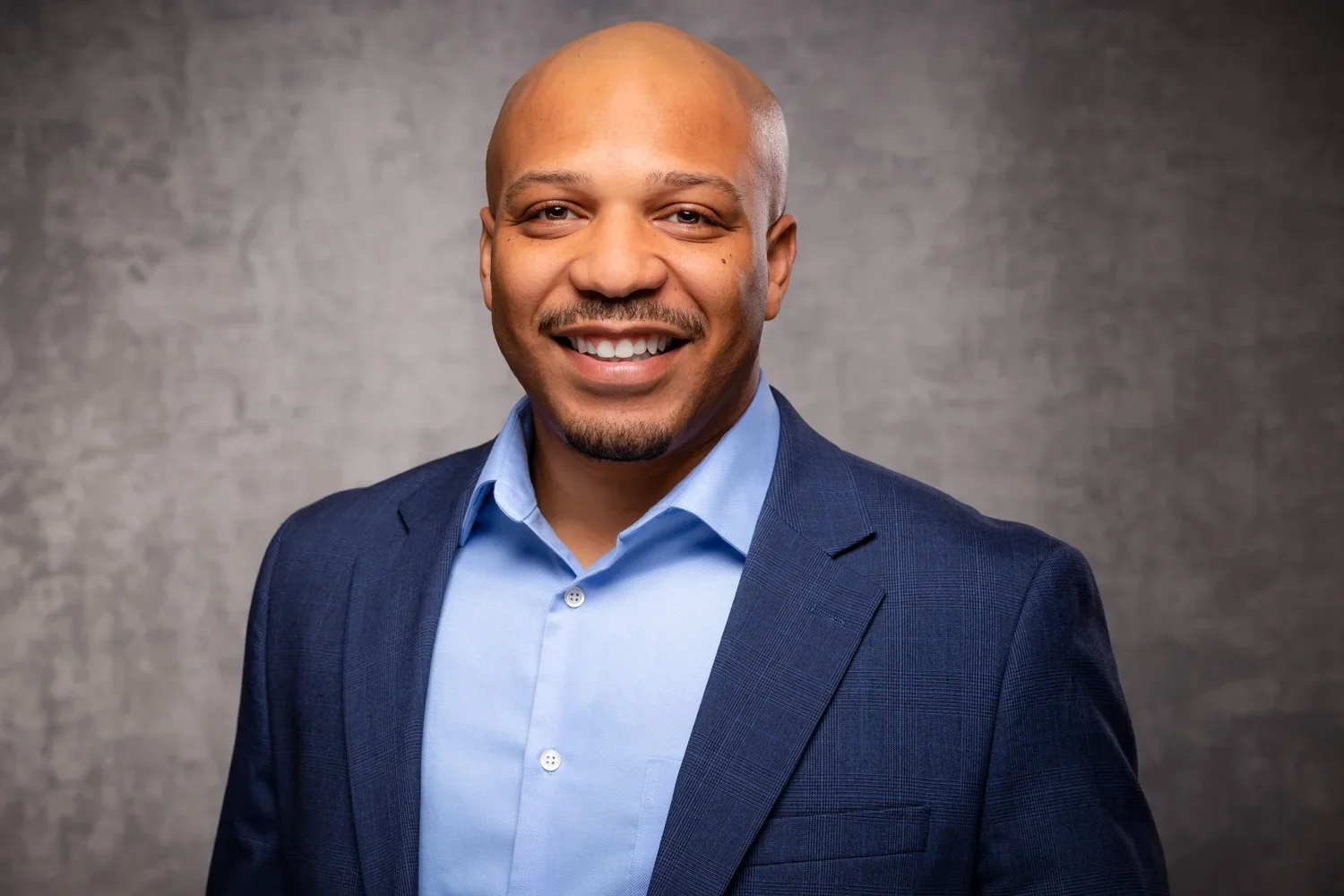
Think about it. When a potential client visits your website, and they see a grid of consistent, friendly faces, it just feels more real. It says, 'Hey, we're a team, and we're here to help.' This is super important for first impressions, especially in today's digital world, where so much business happens online before anyone even picks up the phone.
Creative company headshots also give you a chance to show off your company culture. Are you a modern, innovative startup? Or a more traditional, established firm? The style of the photos—the backgrounds, the lighting, even the expressions—can subtly communicate that. For a large team, getting this right means everyone, from the intern to the CEO, is sending the same message about who you are as a company.
Here's why it's a big deal for larger groups:
Consistency is Key: When everyone has a similar style of headshot, it makes your brand look organized and put-together. No more random photos from different years or different photographers that clash.
Builds Credibility: A professional, consistent look across your team pages and social media profiles signals reliability. People are more likely to trust a company that presents itself professionally.
Boosts Team Morale: Believe it or not, getting a good headshot can make employees feel valued. When the company invests in quality photos for everyone, it shows you care about how they represent themselves and the company.
Marketing Powerhouse: These photos aren't just for the 'About Us' page. They're great for LinkedIn profiles, company presentations, press releases, and even internal communications. A strong visual presence across the board makes your marketing efforts much more effective.
Coordinating a large-scale headshot project might seem daunting, but the payoff in terms of brand consistency and professional image is significant. It's an investment that pays off by making your entire organization look more approachable, trustworthy, and unified to the outside world. Plus, it gives your team a consistent visual identity that strengthens your overall brand.
So, while it takes some planning, getting creative with your company headshots for a large team isn't just a nice-to-have; it's a smart business move that can really make you stand out.
Brand Identity: How to Align Creative Company Headshots With Your Corporate Image
So, you've got this whole brand identity thing down. Your logo is sharp, your website looks slick, and your mission statement is practically poetry. But then you look at your team's photos, and they're all over the place. Some are super formal, others look like they were taken on a phone in a dimly lit office. It just doesn't quite match the vibe you're going for, right?
Your team's faces are a huge part of your brand. They're the people clients interact with, the ones who make things happen. If those photos don't tell the same story as the rest of your brand, it can be confusing. It's like wearing a fancy suit with mismatched socks – it just doesn't quite work.
Think about it: when people look at your company online, whether it's your website, LinkedIn, or a news article, they're seeing these photos. If they're all different styles, it can make your company look a bit disorganized, or like different branches are doing their own thing. We want everyone, no matter where they are, to look like they're part of the same cohesive team.
Here’s how to get your headshots in sync with your brand:
Define Your Brand's Visual Personality: Are you modern and edgy, or classic and reliable? Your headshots should reflect that. Think about the colors, the mood, and the overall feeling you want to convey.
Set Clear Guidelines: Once you know your brand's look, create simple rules for headshots. This could include things like background color, lighting style, and even general wardrobe suggestions.
Communicate Consistently: Make sure everyone involved, from the photographers to the employees, understands these guidelines. This is especially important if you have multiple locations.
Getting your team's photos to match your brand isn't just about looking good; it's about building trust and showing that you're a unified, professional organization. When your visuals align, it makes a stronger impression and helps people connect with your company on a deeper level.
For example, if your brand is all about innovation and forward-thinking, maybe your headshots should have a bit more dynamic lighting or a slightly more casual, approachable feel. If you're in a more traditional industry, classic studio shots with a clean background might be the way to go. It's about making sure the photos feel like a natural extension of everything else you do.
Location Choices: Studio vs On-Site Settings for Creative Company Headshots
When it comes to getting headshots for your whole team, especially a large one, you've got two main paths: heading to a professional studio or having the photographer come to you.

Choosing the right location really depends on what works best for your company's workflow and brand.
Studio Shoots:
Pros: Studios offer a controlled environment. Think perfect lighting, consistent backdrops, and minimal distractions. This is often the easiest way to get a uniform look across all your employees, no matter when they get their photo taken. It's great for a clean, polished aesthetic that screams professionalism.
Cons: Getting everyone to a studio can be a logistical headache, especially if your team is spread out or works odd hours. It can also add travel costs and time away from work for your employees.
On-Site Shoots:
Pros: This is where convenience shines. The photographer brings their gear to your office, conference, or event. It cuts down on travel time for your staff and allows for a more relaxed atmosphere. Plus, you can sometimes incorporate subtle elements of your office environment into the background for a touch of authenticity.
Cons: You're at the mercy of your office's space and ambient light. While a good photographer can work around this, it might take more effort to achieve that perfectly controlled studio look. You also need to make sure you have a suitable area set up, free from noise and interruptions.
Here's a quick rundown to help you decide:
| Feature | Studio | On-Site |
|---|---|---|
| Convenience | Lower (requires travel) | Higher (photographer comes to you) |
| Control | High (lighting, background) | Moderate (dependent on office environment) |
| Consistency | Very High | High (with proper setup) |
| Cost | Can be higher due to studio rental/travel | Can be lower if travel is minimized |
| Distractions | Low | Potentially higher (office noise, etc.) |
Ultimately, the goal is to get headshots that look great and fit your company's image. Whether you choose a studio or go on-site, clear communication with your photographer about your brand's needs is key to a successful shoot.
Wardrobe & Styling Guidelines for Cohesive Creative Company Headshots
When you're getting ready for a big company photoshoot, thinking about what everyone's going to wear is a pretty big deal. It's not just about looking good; it's about making sure everyone fits together visually, so the whole team looks like one cohesive unit. The goal is to create a unified look that reflects your brand's personality without being distracting.
Think about your company's vibe. Are you a super formal law firm, or more of a laid-back tech startup? The clothing should match that. For most corporate settings, sticking to solid colors is a safe bet. They tend to photograph well and don't pull focus from the person's face. Blues, grays, and muted tones often work nicely. Avoid anything with busy patterns, large logos, or distracting graphics. These can make the photos look dated quickly and take away from the professional feel.
Here are some general pointers to keep in mind:
Color Coordination: While everyone doesn't need to wear the same thing, coordinating colors can make a big difference. Think about a palette that aligns with your brand colors, or simply choose tones that complement each other. This creates a harmonious look across all the headshots.
Fit is Key: Make sure clothing fits well. Ill-fitting clothes, whether too tight or too baggy, can be unflattering and unprofessional. Encourage employees to wear something they feel comfortable and confident in.
Necklines Matter: V-necks and scoop necks can be flattering for many people. Crew necks can sometimes make the face look wider, so consider that when choosing tops.
Layering Options: Sometimes, adding a blazer or a nice cardigan can add a touch of polish and depth to an outfit. It also gives people a slight variation if they're doing multiple shots.
Accessories: Keep jewelry simple and understated. Big, flashy pieces can be distracting. The same goes for ties – a classic pattern or solid color is usually best.
For those who might be a bit unsure, providing a simple style guide beforehand can be incredibly helpful. This doesn't need to be overly complicated, just a few bullet points on what generally works well for professional headshots. It helps manage expectations and ensures a more consistent outcome for everyone involved.
Makeup and hair should also be considered. For makeup, a natural, polished look is usually best. Avoid heavy contouring or bright, trendy colors. Hair should be neat and styled in a way that employees typically wear it to work. If you're having a professional hair and makeup artist on-site, that's a great way to ensure everyone looks their best and adheres to the desired style. Remember, the aim is to have everyone look like themselves, just a slightly more polished version for professional team headshots.
Ultimately, clear communication with your team before the shoot is the most important step. Let them know the expectations for wardrobe and styling so they can come prepared. This attention to detail will make a significant difference in the final set of images.
Posing & Expression Tips to Capture Natural, Creative Company Headshots
Getting people to relax in front of a camera can be a challenge, especially for a whole team. The goal here is to move beyond stiff, forced smiles and capture genuine personality. It’s about making folks look like themselves, just a bit more polished and ready for business.
The key is to create an environment where people feel at ease, allowing their natural expressions to shine through. This isn't about complicated poses; it's about simple direction that leads to authentic results.
Here are a few ways to get those natural shots:
Encourage interaction: If possible, have people interact with each other briefly before the shot. A quick chat or a shared laugh can break the ice and lead to more relaxed expressions. Even a simple prompt like "Imagine you're telling a colleague about a great idea" can help.
Gentle guidance, not rigid posing: Instead of telling someone exactly where to put their hands, offer suggestions. "Maybe rest one hand on your hip," or "Try holding your arms loosely." For expressions, ask them to think of something that makes them happy or a recent success. A slight head tilt or a genuine smile is often better than a wide, unnatural grin.
Movement is your friend: Ask people to shift their weight slightly, adjust their jacket, or even take a small step. These little movements can make a pose feel much more dynamic and less static. It also helps capture a moment that feels more candid.
Lighting & Composition Techniques for Professional Creative Company Headshots
Getting the lighting and composition right is super important for making your company headshots look professional and polished. It's not just about pointing a camera; it's about shaping the light to make people look their best and arranging the elements in the frame so the photo feels balanced and draws attention to the subject.
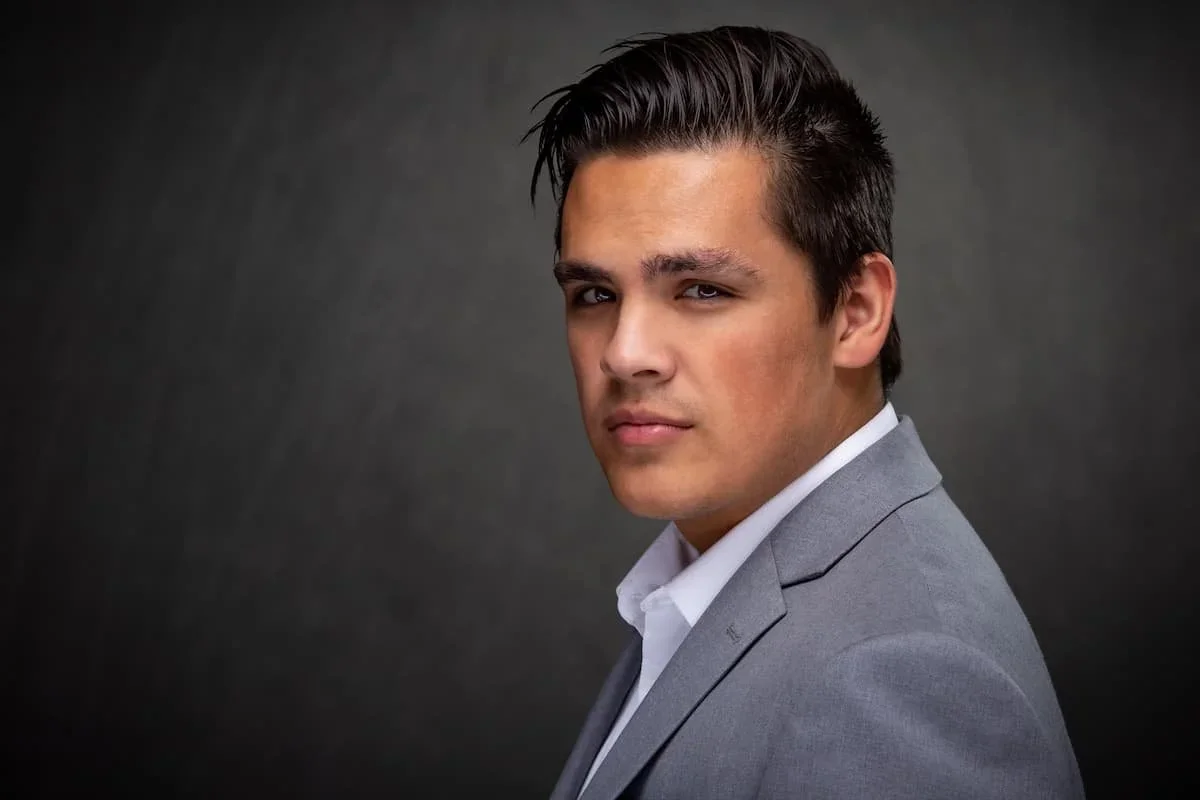
Good lighting can genuinely change how a person looks in photography, creating a professional look that feels natural. When we talk about lighting, there are two main paths: natural light and studio light. Natural light, like what you get from a window or in open shade outside, is often soft and even. It’s great because it doesn't usually create harsh shadows and keeps skin tones looking true to life. Plus, it’s free and easy to work with, which is a bonus for quick shoots.
Studio lighting, on the other hand, gives you a lot more control. A photographer can tweak the brightness, the angle, and how soft or hard the light is. A common setup uses a large diffused strobe or a softbox. Placing this light about 45 degrees to the side and slightly above eye level can make a face look nicely three-dimensional. This kind of setup, often called 'loop lighting,' is popular because it flatters most face shapes and brings out details without being too dramatic.
When you're shooting, pay attention to shadows and highlights. You want to even out skin tones and avoid really dark or blown-out areas. If one side of the face is too dark, a reflector or a gentle fill light can help brighten it up without making the whole picture look flat. This keeps features clear and makes eyes pop. To stop bright spots on the forehead or nose, the light shouldn't be straight on; it needs to be a bit off to the side and above. Using soft, diffused lights helps hide minor skin imperfections and makes the overall image look smoother.
Composition is about how you arrange things in the photo. For headshots, the goal is usually to keep the focus squarely on the person. This often means using a relatively simple background so it doesn't distract. Think about the rule of thirds – placing your subject slightly off-center can make the image more dynamic. Also, consider the negative space around your subject; it helps the main focus stand out.
Here are some common lighting setups and their effects:
Loop Lighting: Light source at a 45-degree angle, slightly above eye level. Creates a small shadow on the cheek opposite the light. Very flattering for most faces.
Rembrandt Lighting: Similar to loop lighting, but the shadow from the nose connects with the shadow on the cheek, creating a small triangle of light on the shadowed side of the face. Adds more drama and dimension.
Butterfly Lighting (Paramount Lighting): Light source directly in front of and above the subject, creating a small, butterfly-shaped shadow under the nose. Often used for glamour shots, but can be a bit harsh for corporate settings if not diffused well.
The key is to make the subject look approachable and professional. This means avoiding harsh shadows that can make someone look tired or angry, and ensuring the eyes are well-lit, as they are often called the 'windows to the soul' in portraiture.
For large corporate shoots, consistency is king. You'll want to use the same lighting setup and general composition for everyone to create a unified look across all the headshots. This makes the team look cohesive, even if people are photographed at different times or locations. A photographer experienced with large groups will know how to replicate these settings efficiently.
How to Plan and Manage Large-Scale Creative Company Headshots Photoshoots
Okay, so you've got a big team, maybe spread out across different offices, and you need new headshots. It sounds like a lot, right? But honestly, with a bit of planning, it doesn't have to be a headache. The key is to treat it like a project, not just a quick photo op.
First things first, you need a solid plan. Think about the timeline. When do you need these photos? Are there specific deadlines, like a website redesign or a new marketing campaign? Also, consider the number of people involved. This will affect how long the shoot takes and how many photographers you might need. It's also super important to pick a photographer or a company that has experience with big groups. They'll know how to keep things moving and make sure everyone looks consistent, no matter where they are.
Here’s a basic breakdown of what to think about:
Define Your Vision: What's the overall look and feel you're going for? Modern and clean? A bit more casual? This needs to be clear from the start, so everyone is on the same page.
Logistics, Logistics, Logistics: Figure out the when and where. Will it be one big day at your main office, or will you need photographers to travel to different locations? Scheduling executive calendars can be tricky, so give yourself plenty of lead time.
Communication is Key: Keep your team informed. Send out clear guidelines on what to wear, what to expect, and the schedule. A little heads-up goes a long way in making people feel comfortable.
The Photographer's Role: Choose a partner who understands brand consistency. They should be able to replicate the same lighting and style across all sessions, ensuring a unified look for your entire company.
Managing a large-scale photoshoot requires a structured approach. It's about coordinating schedules, ensuring brand consistency across all images, and making the process as smooth as possible for every employee involved. Think of it as a well-oiled machine where each part has a specific role.
When you're looking at photographers, ask them about their process for large teams. Do they have a system for scheduling? How do they ensure consistency if they're shooting in multiple locations? A good partner will have answers ready and a clear process to show you. They should also be able to provide different file formats for whatever you need – website, LinkedIn, internal directories, you name it. Getting everyone on the same page before the shoot even starts is half the battle won.
Planning a big photo day for your company's headshots can feel overwhelming, but it doesn't have to be! We've broken down how to make it smooth sailing, from start to finish. Ready to capture stunning professional photos that make your team shine? Contact us and get started!
Frequently Asked Questions
-
Creative company headshots go beyond the standard stiff pose. They aim to show your team's personality and your company's unique vibe. Think about using different backgrounds, natural lighting, or even capturing people in action to make the photos more interesting and less like a boring ID picture.
-
For large companies, creative headshots help make a big team feel more connected and approachable. They show that your company is modern and values its people. Plus, consistent, good-looking photos across your website and social media build trust with customers and partners.
-
It's important to pick a photo style that fits your brand. If your company is serious and traditional, maybe stick to simpler backgrounds and poses. If you're more fun and modern, you can experiment more. Talk to your photographer about your company's colors, values, and overall feel so they can capture that in the pictures.
-
Absolutely! Many photographers can set up a professional studio right in your office. This is super convenient for large teams and helps keep things consistent. They bring their own lights and backdrops, so you don't have to worry about finding the perfect spot.
-
It's best to wear solid colors that look good on you and fit your company's style. Avoid busy patterns or large logos that can be distracting. Think about clothes that are comfortable and make you feel confident. It's often a good idea to have a couple of options, like a jacket or a different shirt, to create slightly different looks.
-
The time it takes to get your final photos can vary, but usually, it's about 2 to 5 business days. Some photographers offer faster service if you need the pictures right away. They'll often send you a link to view and download your edited images.