
Best Female Professional Headshots Medical Doctors Need
In the medical world, first impressions really do count, and often, that first impression happens online. Your headshot is like your digital handshake, especially for women in medicine. It needs to show you're capable and trustworthy, but also friendly. It's not just about looking professional; it's about looking like *you* at your best. Whether you're a doctor, a nurse, or just starting your residency, getting the right headshot can make a big difference in how patients and colleagues see you. Let's talk about how to get the best female professional headshots medical doctors need.
In the medical field, first impressions really count, and often, that first impression happens online. For female doctors, having the best female professional headshots medical profiles is super important. It’s not just about looking good; it’s about building trust and showing you’re capable. Your headshot is like your digital handshake, and it needs to feel right. It needs to say, "I'm professional, I'm competent, and I care."
Think about where people see your photo: hospital websites, LinkedIn, maybe even on a telehealth platform. That one image speaks volumes before you even say a word. For women in medicine, this can feel like a lot of pressure. You want to look authoritative, but also approachable. It’s a balance, for sure. The goal is to have the best female professional headshots medical doctors can be proud of, ones that truly represent them.
Here’s what goes into a great headshot:
Authenticity: The photo should look like you on a good day. Avoid heavy editing that changes your features too much. It’s about capturing your natural essence.
Professionalism: This means clean attire, a simple background, and good lighting.
Approachability: A warm expression, like a gentle smile, makes you seem friendly and trustworthy.
The right headshot can make a big difference in how patients and colleagues perceive you. It's a visual cue that communicates your dedication and your readiness to help.
When you’re looking for the best female professional headshots medical settings, remember that simplicity often wins. A clean, uncluttered image helps your face and your expression be the main focus. This is key for building that initial connection and trust that’s so vital in healthcare. Getting the best female professional headshots medical professionals need is an investment in your career and your practice.
Why Best Female Professional Headshots Medical Profiles Boost Credibility
In the medical field, trust is everything. Your headshot is often the very first thing a potential patient or colleague sees, even before they meet you. It's like your digital handshake, and it needs to convey professionalism, competence, and approachability all at once. For female doctors, this visual introduction is particularly important. It’s not just about looking good; it’s about projecting the right kind of confidence and care that patients are looking for.
Think about where these photos show up: hospital websites, LinkedIn profiles, medical directories, and even conference bios. A strong, clear headshot helps you stand out and makes a positive impression. It tells people you're serious about your profession and that you care about how you present yourself. This attention to detail can make a big difference in how people perceive your capabilities.
Here’s what a good headshot communicates:
Trustworthiness: A clear, friendly face makes people feel more comfortable.
Professionalism: It shows you take your career seriously.
Approachability: Patients want to feel they can talk to you easily.
Competence: A polished image suggests you are skilled and knowledgeable.
Your headshot is a silent ambassador for your practice. It works for you 24/7, building a visual narrative that supports your professional reputation. Making sure it's right is a smart investment in your career.
Ultimately, a great headshot helps build a connection. It humanizes you in a way that text alone can't, making it easier for people to choose you as their healthcare provider or to connect with you professionally. It’s a simple yet powerful tool for establishing credibility in the competitive world of medicine. A well-done professional headshot is a key part of your online presence, helping to establish a consistent and credible image for medical professionals. They are crucial for websites, hospital directories, and professional profiles, ensuring a polished and trustworthy presentation.
Key Elements of the Best Female Professional Headshots Medical Doctors Should Know
When you're a doctor, your headshot is more than just a picture; it's a visual handshake. It needs to say "I'm competent, I'm trustworthy, and I care." So, what goes into making a headshot that really works for women in medicine? It's a mix of things, really, but they all point to one goal: looking like the professional you are, while still being approachable.
First off, think about the light. Harsh lighting can make you look stern or create unflattering shadows, so soft, diffused light is your best friend. This could be natural light from a window or gentle studio lighting. It just makes everything look softer and more inviting. Then there's your expression. You're not trying to win a beauty contest here; you're trying to convey confidence and warmth. A genuine, slight smile often does the trick. It shows you're friendly and easy to talk to, which is super important when patients are looking to you for care.
Your clothing matters too. Keep it simple and professional. A clean lab coat over a solid-colored top is a classic for a reason. If you're not wearing a coat, think about professional attire that fits well and is wrinkle-free. Avoid busy patterns or anything too flashy; the focus should be on your face and your expression, not your outfit.
Here are a few things to keep in mind:
Focus on Your Face: Your eyes should be clear and looking towards the camera, or slightly off-camera if the pose calls for it. This creates a connection.
Professional Attire: Stick to solid colors or very subtle patterns. Think about what you'd wear to a professional conference or a patient consultation.
Minimal Accessories: Jewelry should be understated. A simple necklace or stud earrings are usually best. Anything too distracting can pull attention away from you.
Hair and Makeup: Aim for a natural, polished look. You want to look like yourself on a good day, not overly made-up. Hair should be neat and ideally kept out of your face.
The background should support, not compete with, your image. A clean, uncluttered background, whether it's a soft studio color or a subtly blurred office setting, helps keep the viewer's attention right where it belongs: on you and the professional impression you're making.
Finally, consider the overall vibe. Do you want to look authoritative, compassionate, or a bit of both? Your headshot is your visual introduction, so make sure it accurately reflects the kind of doctor you are and the impression you want to make.
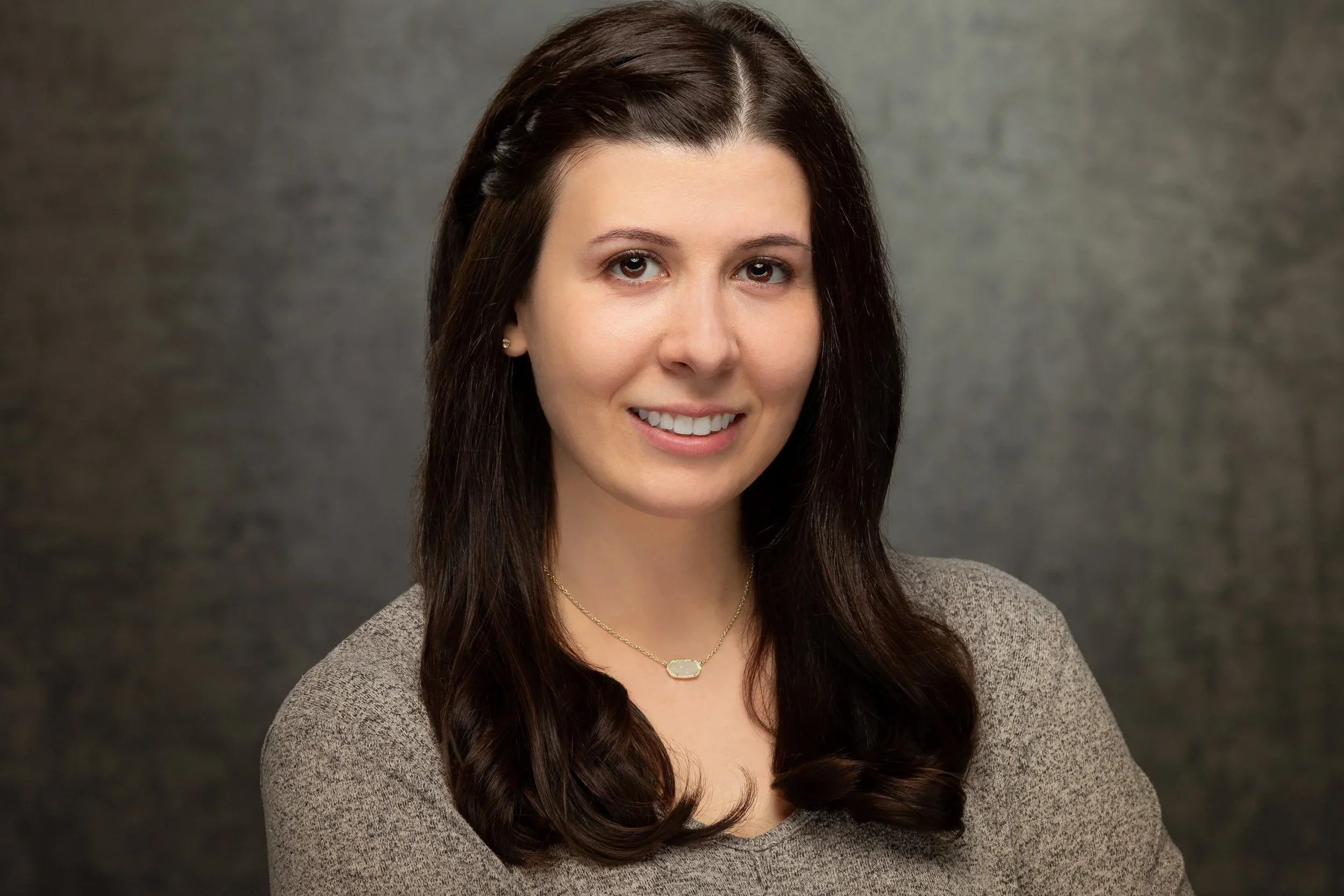
Choosing the Right Wardrobe for the Best Female Professional Headshots Medical Images
When you're picking out what to wear for your medical headshot, think about what you want people to see first. It's usually your face and your expression, right? So, the clothes should help with that, not get in the way.
The goal is to look professional, approachable, and like yourself.
Here are some ideas to get you started:
Solid Colors are Your Friend: Stick to neutral tones like navy, grey, or deep blues. Jewel tones like emerald green or burgundy can also work well. These colors don't distract from your face and tend to look good on most people. Avoid busy patterns or logos; they can make the photo look cluttered.
The Classic Lab Coat or Scrubs: If you want to clearly show you're in the medical field, a clean, well-fitting lab coat over a simple blouse or a professional-looking scrub top is a solid choice. Make sure they are wrinkle-free!
Simple Tops: If you're not wearing a lab coat or scrubs, opt for a simple, solid-colored blouse or sweater with sleeves. Long sleeves are generally a safe bet as they look polished and are flattering. Avoid anything too low-cut or revealing; the focus should be on your face and professionalism.
Minimal Accessories: Keep jewelry simple. Think small stud earrings, a delicate necklace, or a watch. Anything too flashy can pull attention away from you.
Your wardrobe choice is a silent communicator. It tells a story about your professionalism before you even speak. Aim for an outfit that makes you feel confident and comfortable, because that feeling will show through in the photo. It's better to be slightly overdressed than underdressed for a professional headshot.
Think about where your photo will be used. If it's for a hospital website or a residency application, leaning towards more formal attire like a lab coat or a smart blouse is usually best. If it's for a more general professional networking site, a polished, solid-colored top might be perfect. Ultimately, choose something that feels authentic to you and your practice.
Poses and Expressions That Enhance the Best Female Professional Headshots Medical Appeal
When you're getting your headshot taken, the pose and your expression are super important. They're what really connect you with the person looking at the photo. For female doctors, you want to come across as both capable and caring. It's a bit of a balancing act, right?
Think about a relaxed, natural stance. Shoulders back, but not stiff. A slight turn of the body can add a bit of dimension, making the photo more interesting than just a straight-on shot. And your hands? Keep them relaxed. Maybe one hand is gently resting on your lap if you're seated, or just hanging naturally at your side if you're standing. Avoid crossing your arms; it can sometimes look a little defensive.
As for expressions, a genuine smile is usually the best bet. It doesn't have to be a huge grin, but a warm, soft smile makes you look approachable and friendly. Think about a moment you felt proud of helping someone, or a time you were genuinely pleased with a patient's progress. That kind of feeling can translate into your eyes and mouth, making your smile look authentic. A direct, confident gaze into the camera is also key. It shows you're present and ready to engage.
Here are a few ideas to consider:
Direct Smile: A straightforward, friendly smile looking directly at the camera. This is great for general profiles and patient-facing roles.
Subtle Smile with a Slight Angle: Turning your head slightly while offering a gentle smile can add a touch of sophistication and approachability.
Confident Gaze: Looking directly at the camera with a calm, assured expression, perhaps without a full smile but with warmth in your eyes.
Seated Professional: A relaxed seated pose, often with hands gently clasped or resting, conveying a sense of calm authority.
The goal is to look like yourself on a good day – professional, yes, but also human. You want people to feel like they can trust you and that you're someone they'd feel comfortable talking to about their health concerns. It’s about conveying competence with a side of compassion.
Backgrounds That Complement the Best Female Professional Headshots Medical Photos
When you're picking out a background for your medical headshot, think about what you want the photo to say. You want it to look professional, of course, but also approachable. The background shouldn't pull attention away from you; it should actually help people focus on your face and what you're conveying.
Simple is usually best. Think about solid colors that are neutral, like soft grays, muted blues, or even a clean white. These kinds of backgrounds make sure you're the main subject. If you're in a studio, a plain backdrop is a safe bet. It’s clean and doesn't distract.
Sometimes, a little bit of context can be good, but it needs to be done right. A softly blurred office or clinic setting can work. It hints at your professional environment without being too busy. Imagine a bookshelf in the background, but out of focus, so it just adds a bit of depth. Or maybe a hint of a hospital hallway, again, blurred so it doesn't look like a snapshot.
Here are a few ideas for backgrounds:
Solid Neutral Colors: Light gray, beige, off-white, or soft blues. These are classic and keep the focus squarely on you.
Softly Blurred Office/Clinic: A hint of your professional space, like a desk or a clean wall, but out of focus.
Subtle Architectural Elements: Think clean lines or a hint of a modern building exterior, again, blurred.
Natural Settings (with caution): For certain specialties, like mental health or public health, a very softly blurred natural background like greenery might work, but it needs to feel professional, not like a vacation photo.
The goal is to create a visual that feels trustworthy and competent. A busy or distracting background can make you seem less serious, even if you're not. It's about creating a professional image that supports your credibility.
Avoid anything too distracting, like busy patterns, overly bright colors, or cluttered spaces. The background should support your image, not compete with it. It’s about making sure that when someone sees your photo, they immediately think, "This is a capable and caring medical professional."
Lighting Tips for Capturing the Best Female Professional Headshots Medical Portraits
Lighting is a big deal when it comes to headshots, especially for medical professionals. It’s not just about making sure people can see your face; it’s about how the light makes you look and feel. The right lighting can make you appear more approachable, trustworthy, and competent.
When you’re thinking about lighting, you have a few main options. Natural light is often the best choice if you can get it. Think about sitting near a window on a slightly overcast day. The light is soft and diffused, meaning it spreads out evenly and doesn’t create harsh shadows on your face. This kind of light is really flattering and gives a calm, professional vibe. If you’re in a studio, softbox lighting is the next best thing. These lights are designed to mimic natural light and provide a gentle, even illumination.
Here are some key things to keep in mind:
Avoid Direct Sunlight: While natural light is good, direct sun can be too harsh. It creates strong shadows under your eyes and nose, which can make you look tired or stern. If you have to shoot in the sun, try to find a spot with open shade.
Watch for Shadows: Pay attention to where shadows fall on your face. You want to minimize deep shadows, especially around your eyes. A good photographer will adjust the light or your position to avoid this.
Consider the Direction: Light coming from the front is usually best for headshots. Side lighting can add dimension, but can also create shadows. Backlighting can create a nice rim light effect, but it needs to be balanced with front lighting so your face isn't too dark.
Use Reflectors: Sometimes, a simple reflector can make a huge difference. It bounces light back onto your face, filling in any shadows and brightening your features. This is a common trick photographers use to get that perfect glow.
Good lighting is about creating a soft, even glow that highlights your features without being distracting. It should make you look natural and professional, not like you’re under a spotlight or in a dimly lit room. The goal is to make your face the main focus, with the light helping to convey warmth and confidence.
If you’re working with a photographer, they’ll handle most of this, but it’s good to know what to look for. A well-lit headshot can really make a difference in how patients and colleagues perceive you. It’s a small detail that contributes to building that all-important trust. For more on how lighting impacts perception, check out professional physician headshots.
Here’s a quick look at how different lighting can affect the mood:
| Lighting Type | Effect on Mood |
|---|---|
| Soft, Diffused | Approachable, Calm, Trustworthy |
| Harsh, Direct | Intense, Stern, Unapproachable |
| Low Key (Shadowy) | Dramatic, Serious, Mysterious (usually not ideal) |
| High Key (Bright) | Cheerful, Open, Energetic (can be too much) |
Studio vs. On-Location with TRG Headshots
When it comes to getting professional headshots, you've got a couple of main options: heading into a studio or having the photographer come to you on location. Both have their upsides, and TRG Headshots can handle either.
The studio offers a controlled environment, which is often the most straightforward way to get a clean, professional look. Think consistent lighting, no unexpected weather delays, and a dedicated space designed for photography. It's usually the more budget-friendly choice, too, as there aren't travel costs involved for the photographer. TRG Headshots has a fully equipped studio ready to go, so you don't have to worry about a thing once you're there.
On the other hand, an on-location shoot can add a unique touch. Maybe you want your headshot taken at your clinic, a place that's meaningful to your practice, or even just a scenic spot that reflects your personality. This can make your photo feel more personal and connected to your work. However, on-location shoots can sometimes cost a bit more due to travel time and the need to set up equipment in a less predictable setting. It also means coordinating schedules and ensuring the location is suitable for photography.
Here’s a quick look at the differences:
Studio:
Controlled lighting and environment.
Often more cost-effective.
Predictable results.
TRG Headshots' studio is ready for you.
On-Location:
Can offer a more personalized or unique background.
May involve additional travel fees.
Requires more coordination.
TRG Headshots can accommodate requests for shoots at your office or other chosen spots.
Ultimately, the best choice depends on your specific needs, budget, and the overall impression you want to make. TRG Headshots is flexible and can guide you toward the option that best suits your goals for your medical headshots.
How Best Female Professional Headshots Medical Photos Build Your Online Brand with TRG Headshots
In today's digital world, your online presence is often the first point of contact for patients, colleagues, and even potential employers. For female medical professionals, a strong headshot is more than just a picture; it's a vital tool for building trust and establishing your professional identity. TRG Headshots understands the unique needs of doctors and aims to create images that speak volumes about your competence and approachability.
Think about where your headshot will appear: hospital websites, LinkedIn profiles, medical journals, conference bios, and more. Each platform is a chance to make a positive impression. A well-executed headshot can significantly influence how you are perceived, helping you stand out in a crowded field.
Here’s how professional headshots from TRG Headshots contribute to your online brand:
Establishes Credibility and Trust: A clear, professional photo signals that you are serious about your practice and your patients' well-being. It conveys a sense of reliability that patients look for when choosing a healthcare provider.
Enhances Approachability: While professionalism is key, your headshot should also make you seem warm and accessible. This is especially important for doctors in patient-facing roles, where a friendly expression can make a big difference.
Creates a Consistent Professional Image: TRG Headshots ensures your photos align with your personal brand and the standards of the medical community, providing a cohesive look across all your online platforms.
Boosts Visibility and Recognition: A memorable headshot makes you easier to find and recognize online, whether it's on a large hospital directory or a small professional networking site.
A great headshot is an investment in your professional reputation. It’s a visual handshake that can open doors and build connections before you even meet someone in person. TRG Headshots focuses on capturing that perfect balance of professionalism and personality.
By working with TRG Headshots, you’re not just getting a photo; you’re crafting a powerful visual asset that supports your career goals and strengthens your online brand. It’s about presenting the best version of yourself to the world, confidently and professionally.
Common Mistakes to Avoid in Female Professional Headshots with TRG Headshots in Medical Sessions
Getting your headshot right is pretty important, especially when you're in the medical field. It's your first handshake, visually speaking. So, let's talk about what can go wrong, because nobody wants a photo that makes them look less credible or approachable than they are. TRG Headshots sees these issues come up, and they're usually pretty simple to fix.
One of the biggest slip-ups is choosing the wrong outfit. Think about it: a busy pattern or a shirt with a distracting logo? It pulls the eye away from your face, and that's the last thing you want. You're trying to convey trust and professionalism, not be a walking advertisement or a fashion statement. Stick to solid, muted colors or your professional attire, like a lab coat or scrubs. It keeps the focus where it belongs – on you and your calm demeanor.
Another common pitfall is the expression. A forced smile looks just that – forced. It can come across as insincere or even a bit uncomfortable. On the flip side, a completely stoic, unsmiling face can seem unapproachable. The sweet spot is a natural, gentle smile that reaches your eyes. It shows warmth and confidence without being over the top. Think about a pleasant interaction you had recently; that feeling can translate into a great expression.
Here are a few more things to watch out for:
Overly trendy clothing or hairstyles: Stick to classic looks that won't date your photo in a year or two. Your goal is timeless professionalism.
Harsh or unflattering lighting: This can create deep shadows or blow out your features. Good lighting is key to looking your best and conveying a sense of calm.
Busy or distracting backgrounds: A cluttered or overly detailed background competes with you for attention. Simple, neutral backgrounds are almost always the best choice for medical professionals.
Ignoring the details: Wrinkled clothes, messy hair, or smudged glasses can all detract from an otherwise good photo. A quick check before the camera clicks makes a big difference.
The goal of a professional headshot in medicine is to build trust and communicate competence. Anything that distracts from that core message, whether it's a poor clothing choice, an awkward expression, or a chaotic background, works against you. Keep it simple, keep it professional, and keep the focus on your face and your friendly, capable presence.
Finally, don't underestimate the power of a good photographer who understands the medical field. TRG Headshots, for example, knows how to guide you to avoid these common mistakes, ensuring your photo accurately reflects your professionalism and approachability.
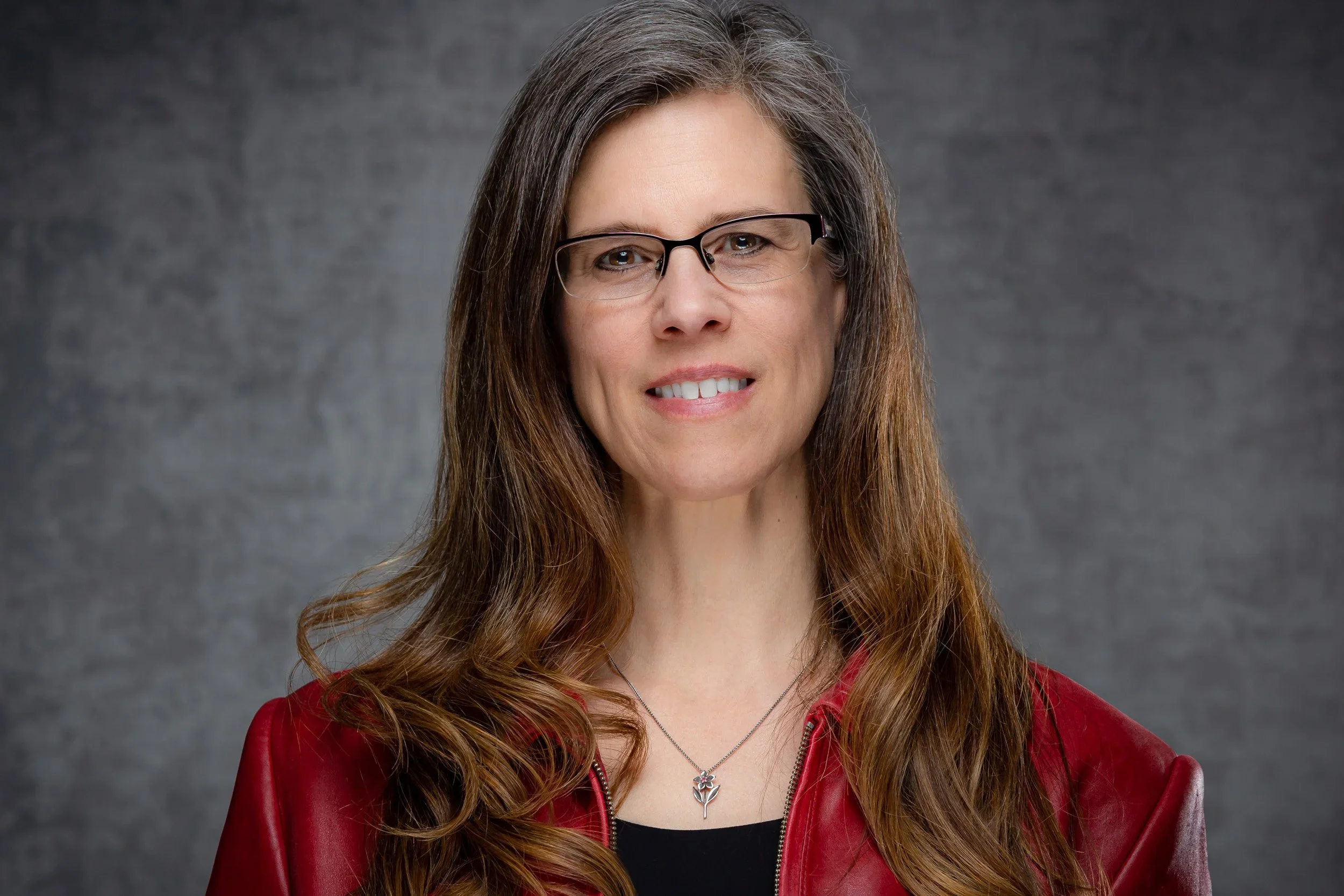
Examples and Inspiration for the Best Female Professional Headshots Medical Doctors
Looking for some ideas for your next professional headshot? It's easy to get stuck thinking about the same old thing, but there are actually quite a few ways to present yourself that feel both professional and personal. Think about what you want your photo to say about you before you even step in front of the camera.
Here are a few approaches that work well for women in medicine:
Classic White Coat: This is a go-to for a reason. A clean white coat over a simple, solid-colored blouse or top. It immediately says 'doctor.' Keep the background neutral, like a soft grey or white, and aim for a gentle, confident smile. It’s straightforward and always looks polished.
Approachable Scrubs: If scrubs are your daily wear, why not feature them? Opt for a professional-looking color – think deep blues, teals, or even a sophisticated burgundy. A slight smile and perhaps a stethoscope casually draped can add a touch of authenticity. This look can feel more accessible, especially for patient-facing roles.
Office or Clinic Setting: Incorporating elements of your actual workspace can add depth. This could be a softly blurred background of your office, a bookshelf with medical texts, or even a clean, modern clinic interior. Natural light near a window often works wonders here, giving a calm and competent feel.
Subtle Professional Attire: Sometimes, a smart blouse or a professional dress with a simple necklace or stud earrings can be just as effective as a white coat. This is especially good if you want to project a more academic or research-oriented image. The key is clean lines and a professional silhouette.
When choosing your look, remember that your headshot is often the first point of contact. It needs to convey trust and competence without feeling stiff or unapproachable. Aim for a balance that feels authentic to you and appropriate for your medical specialty.
Consider these points when planning your shoot:
Wardrobe: Stick to solid colors or very subtle patterns. Avoid anything too busy that might distract from your face. Your chosen outfit should align with the professional image you want to project.
Expression: A genuine, warm smile is usually best. It makes you look friendly and approachable. Avoid a forced grin or a stern expression.
Background: Keep it simple. A blurred background, a neutral studio backdrop, or a clean, professional office setting all work well. The focus should always be on you.
Ultimately, the best headshot is one where you look like yourself, but the most polished, professional version of yourself. It should make patients feel comfortable, and colleagues feel confident in your abilities.
Achieving the Best Female Professional Headshots Medical Doctors Can Be Proud Of with TRG Headshots
So, you've gone through the process, picked the right outfit, found a great photographer, and now you have a set of headshots. But how do you make sure they're truly the best ones, the kind you'll be happy to put on your website or LinkedIn profile for years to come? It's all about the final polish and making sure the image truly represents you and your practice.
The goal is a headshot that feels authentic, professional, and approachable all at once.
Think about the overall impression. Does the photo convey confidence without being intimidating? Does it look like you on a good day, ready to help someone? These aren't just minor details; they're what patients and colleagues notice first.
Here are a few things to consider when making that final selection:
Consistency with Your Brand: Does the headshot align with the overall image you want for your practice or yourself? If you're known for being warm and friendly, the photo should reflect that.
Timelessness: Avoid trends that will quickly look dated. A classic look will serve you better in the long run.
Technical Quality: Beyond just looking good, check for good lighting, sharp focus, and a clean background. These technical aspects matter a lot.
Your Comfort Level: If you don't feel good about the photo, it's probably not the right one. Your confidence (or lack thereof) will show through.
Selecting the right headshot is the final step in a thoughtful process. It's about ensuring that the image you present to the world accurately reflects your skills, your dedication, and your commitment to patient care. It’s your visual handshake, and it should be a strong one.
TRG Headshots aims to make this final selection process straightforward. By providing a range of high-quality options that meet professional standards, they help you choose the image that best represents your medical career. It’s about walking away with a photo that not only looks great but also feels right, giving you the confidence to use it across all your professional platforms.
Getting great professional headshots is important for medical doctors. We help you capture images that truly represent your expertise and professionalism. Ready to make a great first impression? Visit our website today to book your session and see the difference TRG Headshots can make for your medical practice.
Frequently Asked Questions
-
In the medical world, your photo is often the first thing people see online. A great headshot makes you look trustworthy, skilled, and caring. It helps patients feel more comfortable choosing you and makes colleagues see you as a pro. It's like your professional handshake before you even meet.
-
Think simple and professional. A plain blouse, neat scrubs, or a clean white lab coat work best. Avoid busy patterns, loud colors, or too much jewelry. You want the focus to be on your face and your friendly expression, not your outfit.
-
It depends on what you want to show. A white coat often signals authority and experience, which is great for doctors. Scrubs can feel more hands-on and approachable, good for nurses or residents. Both can look very professional!
-
Simple is usually better. A plain, neutral background like light gray, white, or beige keeps the attention on you. A softly blurred office or hospital hallway can also work if it looks clean and professional.
-
Stand or sit up straight with relaxed shoulders. A slight smile is usually best – it makes you look friendly and approachable. Try looking directly at the camera or slightly off to the side. The goal is to look natural and at ease.
-
Yes, lighting is super important! Soft, natural light or gentle studio lighting is ideal. Harsh shadows can make you look stern or unapproachable. Good lighting makes your face look clear and welcoming.
-
You can still get great results! Many online tools can help you create professional headshots using your own photos. Just make sure you have good lighting and a simple background when you take the pictures you upload.
-
Your headshot is part of your online brand. A professional, friendly photo on sites like LinkedIn or your hospital's website makes people trust you more. It shows you're serious about your career and care about how you present yourself.