What to Wear for Professional Headshots for Female and Male
So, you've got a professional headshot session coming up. Awesome! It's a big deal, and what you wear can really make a difference in how you come across. Think of it as your visual handshake. Getting the right outfit isn't just about looking good; it's about making sure your photo says exactly what you want it to about your career. When deciding what to wear for professional headshots, consider your industry. A suit might be perfect for a lawyer, but out of place for a graphic designer. Let's break down what to wear for professional headshots so you can nail that first impression.
What to Wear for Professional Headshots for a Polished First Impression
So, you're getting new headshots. That's great! It's a big step in putting your best foot forward, especially in today's world, where your online presence often comes first. When people search for you, your headshot is usually the first thing they see. It's like your digital handshake, and you want it to be firm and friendly, right? The clothes you choose for your professional headshot play a huge role in that initial impression. It's not just about looking good; it's about conveying professionalism, trustworthiness, and competence before you even say a word.
Think about it: your headshot is often the gateway to new opportunities, whether that's a new job, a client meeting, or just building your professional network. The right attire can make you appear more approachable, authoritative, or creative, depending on your field. It’s about making sure your image aligns with the message you want to send about yourself and your career.
Here are a few things to keep in mind when deciding what to wear for a professional headshot:
Industry Norms: What looks sharp in a law office might look out of place in a tech startup. Generally, it's a good idea to dress a step up from your everyday work attire. If you're unsure, take a peek at what senior people in your field are wearing.
Fit is Key: Clothes that fit well look much better on camera. Avoid anything too tight or too baggy. A well-tailored look suggests attention to detail.
Color Strategy: Solid, medium-to-dark colors tend to photograph best. They create a clean look and don't distract from your face. Avoid busy patterns or neon colors.
Comfort Matters: While you want to look professional, you also need to feel comfortable. If you're fidgeting or feel awkward, it'll show in the photos.
Your headshot is a powerful tool. It's an investment in your professional image, and the right clothing choices can significantly impact how you're perceived. It’s worth taking the time to select outfits that make you feel confident and look polished.
Ultimately, the goal is to have a headshot that looks professional, approachable, and authentic to who you are. Getting the wardrobe right is a big part of that.
Understanding the Purpose: How “What to Wear for Professional Headshots” Depends on Your Industry
So, you're getting new headshots. That's great! But before you pick out that outfit, let's talk about why what you wear really matters, and how it changes depending on where you work. Your headshot is often the first thing people see, whether it's a potential client, a new colleague, or a recruiter. It's like your digital handshake, and the clothes you choose play a big part in the message you send.

Think about it: a lawyer's headshot is going to look pretty different from a graphic designer's, right? The goal is to look like you belong in your field. If you're in a more traditional industry like finance or law, a suit or a sharp blazer usually hits the mark. It signals professionalism and seriousness. But if you're in tech or a creative field, showing up in a full suit might actually make you look out of touch. For those roles, something a bit more relaxed but still put-together, like a nice sweater or a smart casual shirt, often works better.
The key is to dress in a way that aligns with the expectations of your specific industry and the people you want to attract.
Here’s a quick breakdown:
Formal Industries (Law, Finance, Medicine): Think classic. A well-fitting suit, a crisp blouse, or a tailored jacket are good choices. The aim is to convey authority and trustworthiness.
Creative Industries (Art, Design, Marketing): You have more freedom here. A stylish, modern outfit that shows a bit of personality can work well. Avoid anything too flashy, but don't be afraid to show your unique style.
Tech and Startups: This can be a mix. Often, smart casual is the way to go. A clean, well-fitting shirt or a simple, professional top can be perfect. The focus is usually on looking approachable and competent.
Education and Non-Profits: Aim for approachable professionalism. Think comfortable yet neat clothing. A cardigan, a simple dress, or a button-down shirt often fits the bill.
When in doubt, take a peek at what people in leadership roles within your industry are wearing. Your boss or respected colleagues can be a good guide. You want to look like you fit in, but also like you're confident in your professional skin. It’s about striking that balance between fitting the mold and standing out just enough to be memorable for the right reasons.
Ultimately, your headshot wardrobe should make you feel confident and look like the professional you are within your specific work environment. It’s not just about looking good; it’s about communicating your professional identity effectively.
Color Choices Matter: Best Colors for What to Wear for Professional Headshots
Picking the right colors for your headshot outfit is a big deal. It’s not just about looking good; it’s about sending the right message without even saying a word. Think about what you want people to feel when they see your photo. Do you want to come across as serious and in charge, or more approachable and friendly? The colors you choose play a huge role in that.
Generally, sticking to solid, medium to dark colors is a safe bet for most professional headshots. These hues tend to be less distracting and help your face be the main focus. Bright, flashy colors or busy patterns can pull attention away from you, which is the opposite of what you want. It’s like wearing a neon sign to a quiet meeting – it just doesn’t fit the vibe.
Here’s a quick rundown of what different color families can communicate:
Blues (Navy, Royal Blue): Often seen as trustworthy, stable, and professional. Navy is a classic for a reason.
Greens (Emerald, Forest Green): Can convey growth, harmony, and stability. A nice alternative to blues.
Purples (Deep Purple): Suggests royalty, luxury, and creativity. Good for fields where innovation is key.
Reds (Burgundy, Deep Red): Communicates passion, energy, and confidence. Use sparingly if you don't want to be too overpowering.
Neutrals (Grey, Charcoal, Black): These are timeless and convey sophistication and authority. Black can be very powerful, but make sure it contrasts with your background so you don't disappear.
It’s also super important to think about how your outfit color will look against the background. You want a nice contrast, so you pop, not blend in. If you’re going for a black and white headshot, this is even more critical. A dark shirt on a dark background? You might end up looking like a floating head. We want to see you, not just your outfit merging with the wall.
Consider color theory a bit. It's the idea that colors affect how people feel and think. For example, dark colors can make you seem more in control, while lighter shades might make you appear more open. Think about the impression you want to make and pick your colors based on that. It’s a subtle but effective way to guide perception.
When in doubt, solid, muted tones are usually a win. They’re classic and let your personality shine through your expression, not your loud shirt. If you're looking for some great options, checking out professional attire advice can give you more ideas on what works best.
Clothing Fit and Style: What to Wear for Professional Headshots to Look Sharp and Confident
When you're getting your professional headshots taken, the fit and style of your clothes play a surprisingly big role in how you come across. It's not just about looking good; it's about projecting confidence and competence. The goal is to look sharp and feel confident, and well-fitting clothes are key to that.
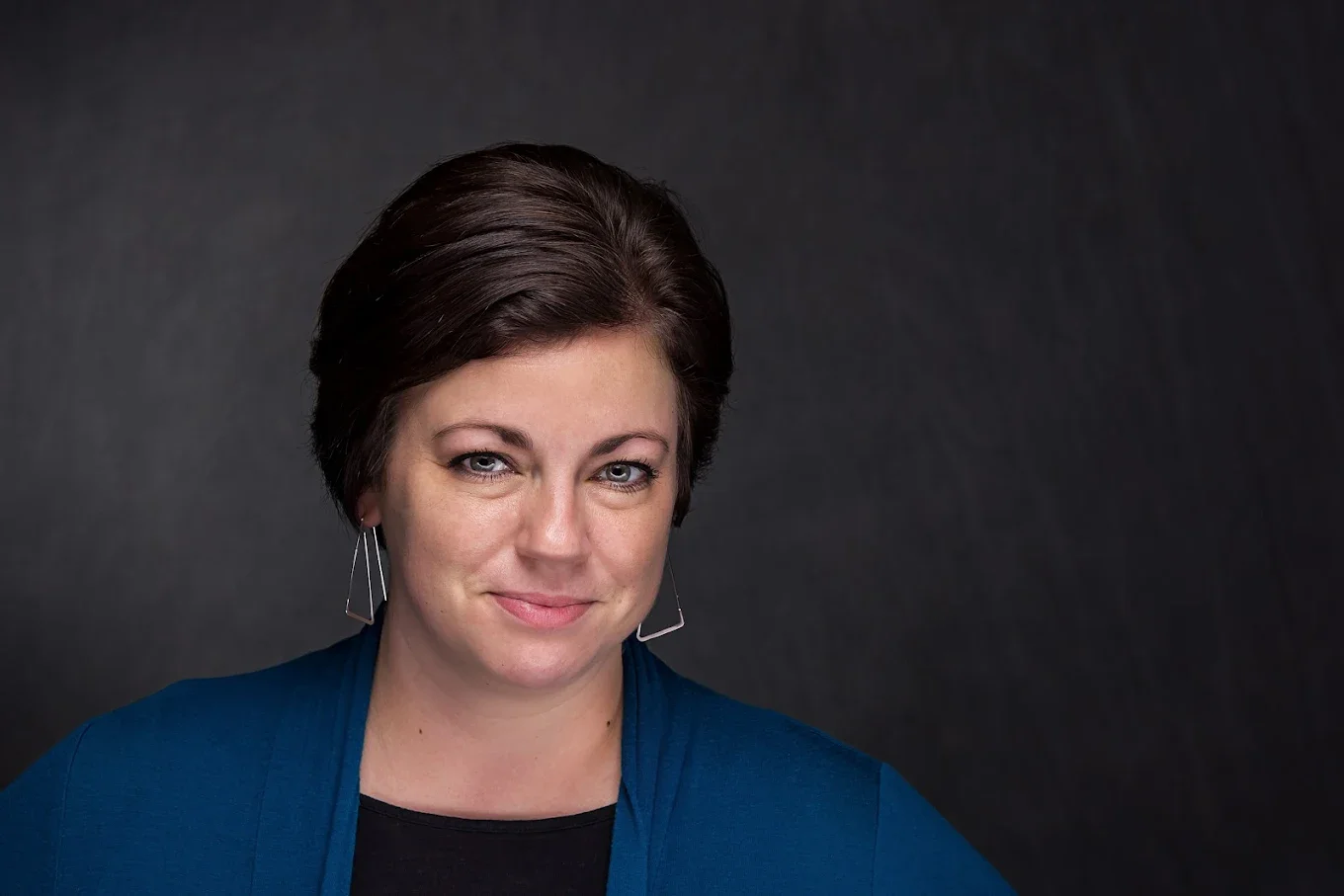
Think about it: baggy or ill-fitting clothes can make you look sloppy, even if the fabric itself is nice. On the flip side, tailored pieces create clean lines and a more put-together appearance. This is especially true for business headshots. Even if your industry is pretty casual, opting for something a bit more structured can give you an edge, making you appear more authoritative and capable.
Here are a few things to keep in mind regarding fit and style:
Tailored Fit: Clothes that fit well, especially around the shoulders and torso, look much better on camera. If a jacket or shirt is too loose, it can create distracting folds or a generally unkempt look. Even if you're not wearing a full suit, a well-fitted blazer or a crisp button-down shirt makes a difference.
Avoid Overly Casual: While you want to look like yourself, steer clear of t-shirts with graphics, worn-out sweaters, or anything that looks like you just rolled out of bed. Even in creative fields, a slightly more polished look often translates better in a professional context.
Consider Your Industry Norms: While formal wear can boost confidence, it's also important to align with your industry. A lawyer might wear a suit, but a graphic designer might opt for a smart blazer over a plain top. Look at what leaders in your field wear for inspiration.
Layering is Your Friend: Adding layers, like a blazer over a shirt or a cardigan over a blouse, can add depth and visual interest to your photo. It also gives you options if you decide to change your look slightly between shots.
The way your clothes fit can subtly influence how others perceive you. A good fit communicates attention to detail and a sense of professionalism. It's about presenting the best version of yourself, and that starts with clothing that flatters your shape and makes you feel good.
When choosing your outfits, think about what makes you feel most confident. If you feel good in what you're wearing, that confidence will shine through in your photos. It’s better to wear something you feel comfortable and powerful in, rather than something that’s trendy but makes you feel awkward.
For Women: What to Wear for Professional Headshots to Achieve a Clean, Modern Look
When it comes to professional headshots for women, the goal is to look polished, confident, and approachable. It’s all about presenting a clean, modern image that makes a great first impression. Think about what you'd wear to an important meeting where you want to be taken seriously, but also feel comfortable and like yourself.
The right outfit can significantly impact how you're perceived. It's not just about looking good; it's about conveying professionalism and competence. For what to wear for professional headshots females, focusing on well-fitting, classic pieces is key. Avoid anything too trendy or distracting, as the focus should always be on your face and expression.
Here are some tips to help you choose the perfect attire:
Necklines Matter: Since headshots are typically cropped from the chest up, opt for higher necklines. V-necks or scoop necks that are too deep can sometimes appear more revealing than intended in a close-up shot. A simple crew neck, a boat neck, or a collared blouse works wonderfully.
Fit is Everything: Clothing that fits well looks more professional. Avoid anything too tight or too baggy. Tailored pieces create a cleaner silhouette and prevent distracting wrinkles or bulges. If you're considering a blazer, ensure it fits snugly around the shoulders and arms. A well-fitting blazer can add a layer of sophistication, as seen in professional headshot tips.
Fabric and Texture: Choose fabrics that drape well and don't wrinkle easily. Smooth knits, silks, or well-pressed cottons are good choices. Avoid very thin or clingy materials, and be mindful of busy patterns or large logos, which can be distracting.
When selecting your outfit, consider the overall message you want to send. Simplicity often speaks volumes. A classic, well-fitting top or a layered look can convey professionalism without being overly formal.
For a clean, modern look, solid colors are generally best. Jewel tones like emerald green, sapphire blue, or deep red often photograph beautifully. Neutrals like navy, charcoal gray, or even a crisp white can also work well, especially when paired with a contrasting accessory or a different texture. Remember to consider how your chosen colors will look against the backdrop. You want to stand out, not blend in. If you're unsure, bringing a few options to your session is always a good idea. This allows you to have choices and ensures you'll find something that makes you feel fantastic.
For Men: What to Wear for Professional Headshots to Look Professional and Authentic
When it comes to professional headshots for men, the goal is to present yourself as capable and approachable. It’s not just about looking good; it’s about conveying the right message about your professionalism and personality. Your clothing choice is a significant part of that first impression.
Think about your industry and what's generally accepted. For more traditional fields like law or finance, a suit jacket and a crisp button-down shirt are often the go-to. However, if you're in a tech or creative field, you might opt for something a bit more relaxed, like a well-fitting blazer over a solid-colored polo or a simple crew-neck sweater. The key is to look polished without looking like you're trying too hard.
Here are some solid choices for what to wear for professional headshots male:
Button-down Shirts: Solid colors are best. Blues, grays, and whites are classic and work well. Avoid busy patterns that can distract from your face.
Blazers/Jackets: A well-fitting blazer or sport coat adds structure and a professional edge. Darker colors like navy or charcoal are safe bets.
Sweaters/Polo Shirts: For more casual industries, a fine-gauge sweater or a solid-colored, well-pressed polo shirt can work. Ensure the collar is neat.
Ties (Optional): If you wear a tie, choose one with a solid color or a subtle pattern. Red can be a good choice to add a pop of color and draw attention, but avoid anything too loud or distracting.
Fit is incredibly important. Clothes that are too tight or too baggy can look unprofessional. Make sure your shirt collar is stiff and not floppy, and that your jacket fits well in the shoulders and sleeves. Wrinkles are a big no-no, so make sure everything is pressed.
When selecting your outfit, consider the background color of your headshot. You want your clothing to complement, not clash with, the background. A good contrast will make you stand out.
Avoid anything with large logos or graphics, as these can be distracting. Also, steer clear of very casual items like t-shirts (unless it's a deliberate style choice for a very specific industry) or anything that looks worn out. The aim is to look sharp, confident, and authentic to who you are professionally.
Accessories and Grooming: Finishing Touches for What to Wear for Professional Headshots
Okay, so you've got your outfit sorted, looking sharp and feeling good. But wait, there's a bit more to consider before you step in front of the camera. We're talking about those little details that really tie everything together – your accessories and how you present yourself.

When it comes to accessories, the main idea is to keep it simple. Think of them as the background music to your main performance, which is, well, you. Overly flashy or distracting pieces can pull attention away from your face, and that's the last thing you want. For jewelry, subtle is usually the way to go. Simple stud earrings, a delicate necklace that sits nicely without getting lost, or a classic watch can add a touch of polish. If you're thinking about bolder pieces, ask yourself if they truly add to your professional image or if they might become the main focus of the photo. Often, less is definitely more here.
Here's a quick rundown on common accessory choices:
Jewelry: Stick to items that complement your outfit without being too loud. Think small metallic studs, a simple chain, or a classic bracelet. Avoid anything that dangles excessively or has a lot of sparkle, as it can catch the light and distract.
Watches: A clean, professional-looking watch can be a nice touch, especially for men. Make sure it's not overly bulky or flashy.
Scarves/Ties: If you're wearing a scarf or tie, ensure it's neatly tied and doesn't have a busy pattern that might compete with your clothing or face.
Now, let's talk grooming. This is where you really want to pay attention to the details. Hair is a big one. You want it to look neat and styled, but not so perfectly coiffed that it looks unnatural. If you're getting a haircut, try to do it a few days before your shoot. This gives your hair time to settle and look more like its usual self, rather than freshly cut. For men, beards and mustaches need to be trimmed and tidy. Pay attention to any stray hairs and make sure your facial hair looks intentional and well-maintained. And yes, even nose hair can be noticeable in close-ups, so a quick trim there is a good idea.
Eyebrows also play a role. Just a quick comb-through can make a difference. For makeup, the goal is usually a natural, polished look. You want to even out skin tone and perhaps define features a bit, but avoid anything too heavy or trendy that might not age well. Matte finishes are generally preferred over anything too shiny, as shine can be distracting under studio lights.
Remember, the goal of your headshot is to represent you professionally and authentically. Every detail, from the glint of a ring to the way your hair falls, contributes to the overall impression. It's about looking like the best, most put-together version of yourself, not someone else entirely.
Finally, don't forget about your nails. Clean, neatly trimmed nails are a must. If you wear polish, opt for a neutral or classic color. Anything chipped or overly bright can be a distraction.
Common Mistakes to Avoid When Choosing What to Wear for Professional Headshots
Okay, so you've got your appointment booked and you're thinking about what to wear for your professional headshots. That's great! But before you pull out that favorite, slightly-too-tight band t-shirt or that neon green sweater, let's talk about a few things that can really mess up your photos. It's easy to get this wrong, and honestly, nobody wants to pay for a headshot that makes them look less professional than they are.
First off, let's talk about fit. You might think that super-tight top looks amazing, but in a close-up headshot, it can look a bit... much. The same goes for anything too baggy. You want clothes that fit well, not too tight, not too loose. Think tailored, but comfortable. The goal is to look sharp and confident, not like you're drowning in fabric or squeezed into it.
Here are some common pitfalls to steer clear of:
Busy Patterns and Loud Colors: While that paisley shirt or bright orange sweater might be your go-to, it can be super distracting in a photo. The camera, and your viewer's eyes, will be drawn to the pattern or color instead of your face. Stick to solid, muted colors or very subtle patterns. This is especially true if you're aiming for a corporate look; you don't want your outfit to scream louder than your qualifications.
Wrinkled or Worn-Out Clothes: Seriously, nobody looks good in a wrinkled shirt. And those clothes you've had forever? They might have faded or started to pill. Your headshot is a professional representation, so make sure your clothes look fresh and well-maintained. Dry cleaning is your friend here.
Inappropriate Necklines: Headshots are often cropped pretty close. That cute V-neck or scoop neck top might be perfectly fine for a casual outing, but it can look a bit too revealing in a headshot, especially for corporate settings. Opt for higher necklines like crew necks, boat necks, or collared shirts. If you want to wear something lower, layering with a blazer or cardigan is a good idea.
Trying Too Hard to Look Like a Specific Profession: Unless you're actually a doctor or a waiter, avoid dressing like one for your headshot. A white blazer can easily look like a lab coat, and a white button-down with a black tie and suit can give off a waiter vibe. Keep it authentic to your actual professional persona.
Distracting Accessories: Big, flashy jewelry or hats can pull focus from your face. Simple, understated pieces are best. Think small earrings or a delicate necklace. If you wear glasses, make sure they don't have glare.
Remember, your headshot is about showcasing you. Your clothing should support visiting our website, not compete with it. It's about looking polished and approachable, not like you're trying to make a fashion statement. The best outfits are often the simplest ones.
And one last thing: don't forget about your collar! A floppy collar on a shirt can make the whole picture look sloppy, even if the rest of your outfit is perfect. Make sure your collars are crisp and stand up straight. It's a small detail, but it makes a big difference in how put-together you appear.
Choosing what to wear for your professional headshots can be tricky. Avoid common blunders like busy patterns or distracting colors that can take away from your face. Stick to solid, neutral tones that make you stand out.
Frequently Asked Questions
-
For your headshot, choose clean clothes, fit well and look professional. Solid colors are usually best because they don't distract from your face. Think about wearing something that makes you feel confident and looks like what you'd wear to work.
-
Solid, darker colors tend to look best in headshots because they make you appear slimmer and stand out more. Blues, greens, grays, and deep reds are good choices. Avoid very bright or neon colors, and also be careful with patterns, as they can be distracting.
-
It depends on your industry and personal style. If your job typically involves wearing a tie, it's a good idea to wear one for your headshot to look more formal. You can always bring a tie and decide with your photographer if it looks good in the photos.
-
Women should choose tops with higher necklines, like a blouse or a smart sweater. Solid, darker colors are flattering. Make sure the clothes fit well and aren't too revealing, as headshots are often cropped closely.
-
Men usually look good in a button-up shirt or a collared shirt. A blazer or suit jacket can also add a professional touch. Stick to solid, darker colors and ensure the clothes are well-pressed and fit nicely.
-
Simple jewelry is fine, but avoid anything too flashy or distracting. The focus should be on your face. If you wear earrings or a necklace, make sure they don't take attention away from you. It's often best to keep accessories minimal.