On-Location Corporate Headshots: What Companies Should Expect on Photo Day
Many companies want on-location corporate headshots, but they hesitate because they don’t know what “photo day” will entail.
That hesitation is normal.
Nobody wants a day that feels chaotic or distracting. Nobody wants employees waiting around. And nobody wants a complicated setup that takes over the office.
The good news: a well-run headshot day is smooth, fast, and organized.
Here’s what you should expect.
First: choosing the right space
Most on-location sessions happen in a:
• conference room
• training room
• empty office
• open area with enough space
The best space has:
• enough room for a backdrop and lights
• minimal foot traffic
• control over distractions
• a calm feel for employees
You don’t need a fancy space. You need a workable one.
Setup: “portable studio” is the key phrase
On-location does not mean “natural light and a wall.”
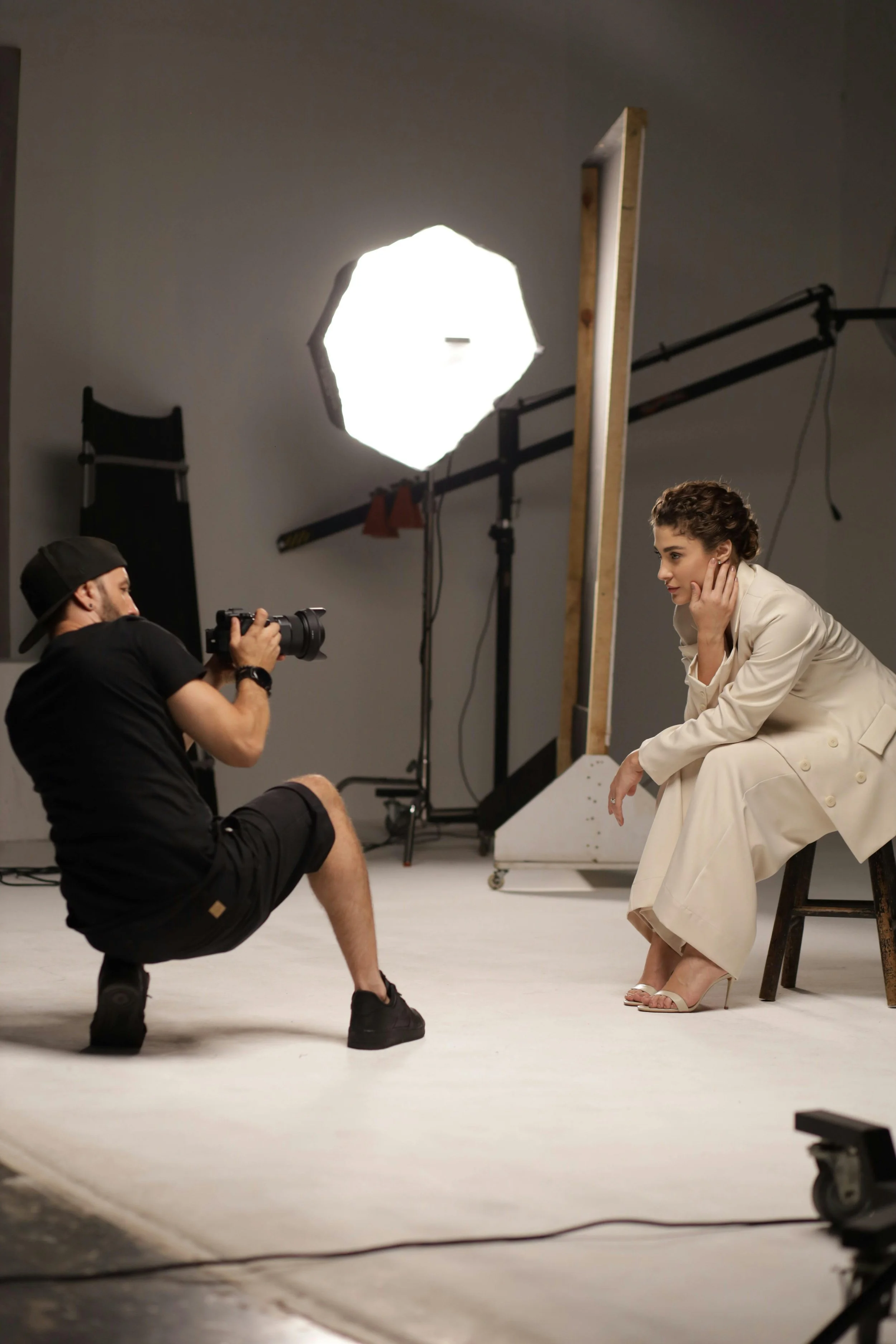
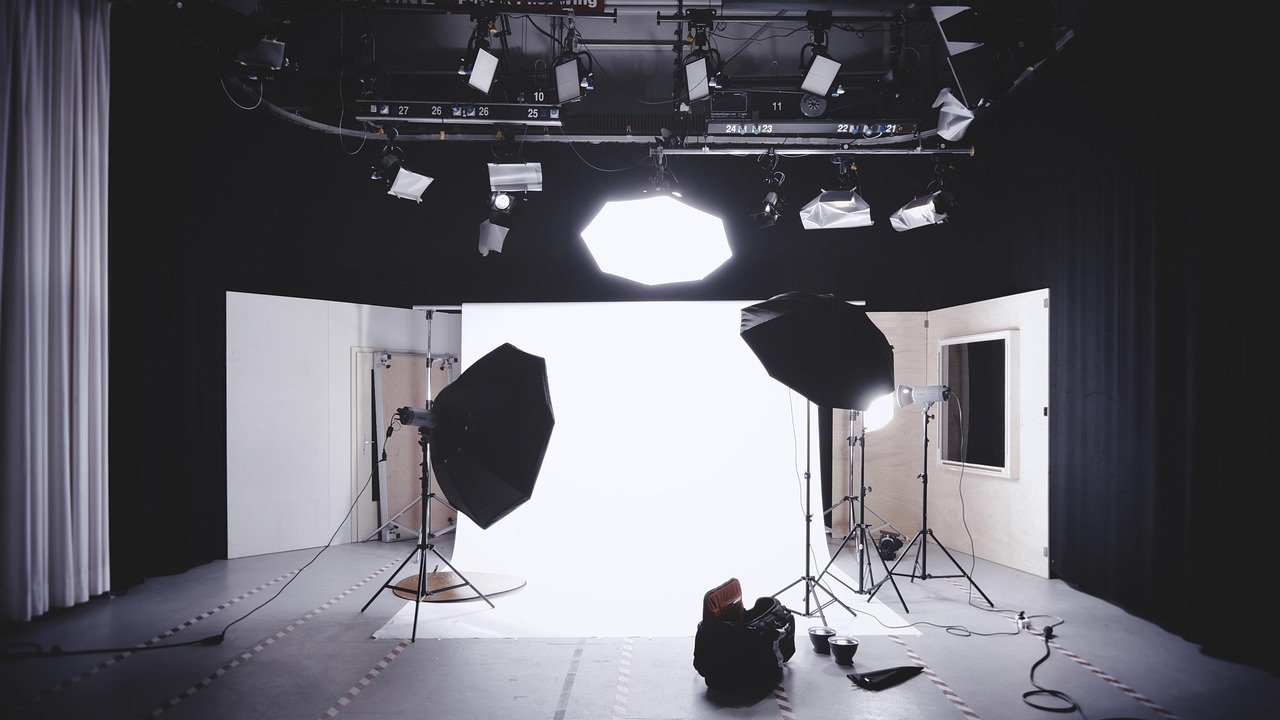
A professional on-location headshot session uses a portable studio setup. That means:
• professional lighting
• consistent background
• repeatable results
• studio-quality images inside your office
This is how companies get consistent headshots without sending people off-site.
Scheduling: two simple options
Most companies use one of these systems:
Option A: Set time slots
Example: 10 minutes per person, scheduled in a calendar.
Best for: larger teams, busy roles, leadership teams.
Option B: Rotating walk-ins
Example: departments rotate through in a set order.
Best for: smaller teams, flexible schedules.
A good plan keeps employees moving through quickly with minimal downtime.
What employees experience
This is what most employees worry about:
• “I’m not photogenic.”
• “I don’t know how to pose.”
• “I’m going to look awkward.”
That’s why coaching matters.
A great headshot day includes simple, friendly direction:
• where to stand
• how to angle shoulders
• how to hold posture
• how to relax the face
• how to get a natural expression
Most people relax once they realize they don’t have to “perform.” They just have to follow guidance.
A quick (very common) story
An office manager once told me, “Half our team hates photos. They’re going to fight this.”
Then photo day came.
After the first few people, the mood changed. Employees started saying:
• “That was quick.”
• “That wasn’t bad.”
• “Can I do one more with a different smile?”
When the process is smooth, people stop dreading it.
How long does it take?
It depends on team size and the type of headshot needed.
But most individual headshots take only a few minutes once the setup is ready.
The biggest time factor is not photography. It’s flow and organization.
What companies should do to prepare
To make photo day easy, companies can do a few simple things:
1) Send a short prep email
Include basic wardrobe tips:
• solid colors
• avoid busy patterns
• simple grooming
• professional look that matches your role
2) Choose a space and reserve it
A quiet, reserved room keeps everything smooth.
3) Decide how you want to use the images
Website? LinkedIn? Both? Email signatures?
This helps plan crop and style.
4) Decide who needs photos
Only leadership? Entire staff? New hires too?
Clear scope prevents last-minute confusion.
Delivery: what you receive after the session
Companies typically receive finished images that are ready to use for:
• website bios
• LinkedIn profiles
• email signatures
• internal directories
• proposals and pitch decks
• press releases
A strong headshot process also includes consistent editing, so every image matches the company style.
Why consistency is the real value
Convenience is great, but consistency is the main reason companies do on-location headshots.
When employees get headshots over time at different places, you get a mixed look.
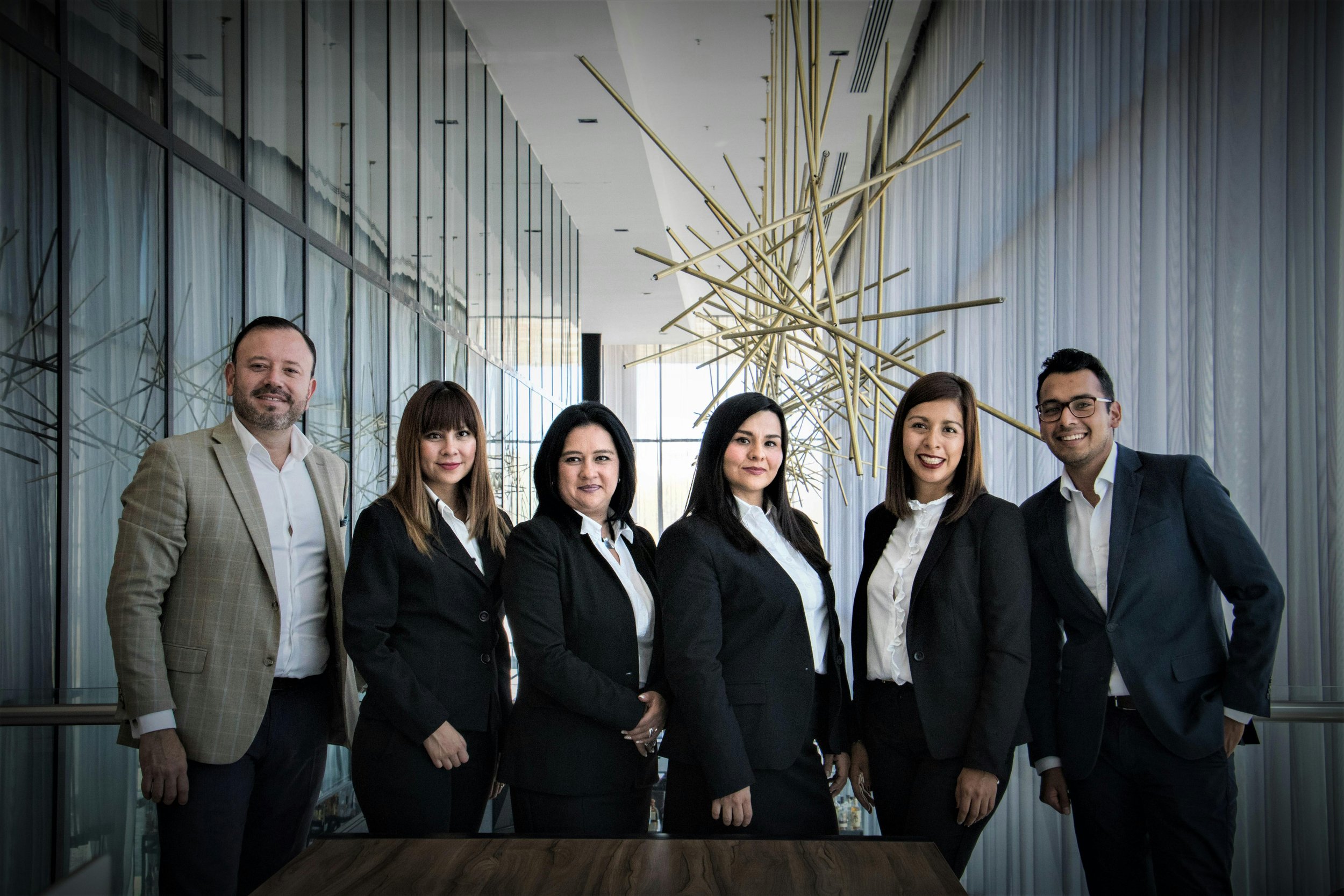
When employees get headshots in one organized day, you get one brand standard.
That consistency makes your company look more established and more trustworthy online.
Bottom line
A professional on-location headshot day should feel like a well-run meeting, not a disruption.
When it’s planned well, your company gets a full set of consistent headshots with minimal downtime and maximum brand impact.