How Often Should Actors Update Their Headshots?
A Practical Guide for Dallas Actors
It's one of those questions that comes up regularly in acting classes, workshops, and conversations between actors who are trying to figure out where to invest their time and money.
"How often do I really need new headshots?"
The honest answer isn't a fixed schedule. It's a single, practical test that tells you everything you need to know.
The Only Question That Actually Matters
Does your current headshot look like you, right now, today?
Not like you two years ago. Not like you before you changed your hair, lost weight, grew a beard, or shifted your overall look. Not like the version of you that existed before your confidence and presence evolved through years of training and experience.
If someone who has only seen your headshot meets you in person and does a subtle double-take, if there's any moment of "oh, you look different than your photo", your headshot is already working against you. That confusion, however brief, creates a disconnect at exactly the moment you need a casting director or agent to feel certain about you.
Your headshot should make that introduction seamless. The person in the photo and the person who walks into the room should be unmistakably the same.
The General Timeline, and Why It's Just a Starting Point
Most working actors update their headshots every one to two years. That's a reasonable general guideline, but it's not a rule worth following rigidly. The timeline is a default for when nothing significant has changed, not a reason to delay an update when something has.
The better way to think about it is this: your headshots have a shelf life that's determined by how much you've changed, not by how much time has passed. An actor who looks essentially the same at the two-year mark and whose career is going well might not need new photos yet. An actor who went through a significant physical change six months after their last session needs new headshots now, not at the one-year mark.
Use the timeline as a prompt to reassess, not as a hard deadline.
Specific Reasons to Update Sooner
There are clear signals that tell you it's time for new headshots, regardless of when you last had them done.
A significant change in appearance is the most obvious one. A new haircut or color, weight change, facial hair, or any other shift in how you look day-to-day means your current headshots no longer represent you accurately. Casting directors make decisions based on what they see in your photo. If that photo isn't current, those decisions are based on incomplete information, and that rarely works in your favor.
A shift in your casting type is equally important. As actors develop, their range evolves. Someone who was being submitted primarily for college student roles two years ago might now read as a young professional or even an early-career executive. If your headshots still communicate the old type, you're potentially missing out on the roles your current look and presence actually fit.
Getting signed with a new agent or manager often prompts an update as well. Representation frequently has specific preferences about headshot style, format, and aesthetic, and starting a new professional relationship with images that don't meet those preferences puts you at a disadvantage from day one.
Why Growth Requires New Images
This is the reason actors sometimes overlook when thinking about headshot updates, and it might be the most important one.
Acting experience changes you. Not just in terms of skill, but in terms of how you carry yourself, how you inhabit your presence, and what comes through when a camera is pointed at you. Confidence that was still developing two years ago reads completely differently on camera than confidence that has been earned and settled into.
The actor you are after two years of consistent classes, auditions, callbacks, and professional experience is a different subject for a headshot than the actor you were at the beginning of that journey. Your images should reflect who you've become, not who you were when you started.
Outdated headshots don't just misrepresent your appearance. They misrepresent your current level of presence and professionalism. In a competitive market like Dallas-Fort Worth, that gap can quietly cost you opportunities you would have been right for.
Staying Competitive in the Dallas Market
The DFW acting market has grown significantly and continues to attract more productions, more casting activity, and more competition at every level. Keeping your headshots current isn't just about accuracy; it's about staying relevant in a market where casting directors have more options than ever.
Actors who treat their headshots as a living professional tool, something to be maintained and updated as their career evolves, consistently present better than actors who treat them as a one-time expense. The investment compounds over time because current, accurate images work harder for you at every submission and every audition.
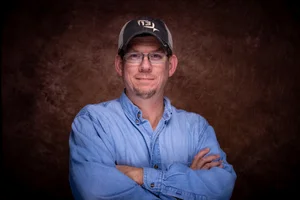
At TRG Headshots in Red Oak, Travis Massingill works with actors at every stage of their career, from first headshots to updates after years of professional experience. Sessions are relaxed, coached, and designed to capture where you are right now rather than a generic version of what an actor is supposed to look like.
We serve actors from across the DFW area, including Dallas, Fort Worth, Waxahachie, Midlothian, Cedar Hill, Mansfield, and all of Southern DFW.
Your Headshot Should Look Like You, Right Now
Not the you from two years ago. Not the you before the haircut, the weight change, or the years of experience that have settled into genuine confidence.
The you that walks into every audition room deserves to be represented accurately. When your headshot and your presence match, casting directors can focus entirely on what you bring, rather than reconciling the gap between the photo they saw and the person standing in front of them.