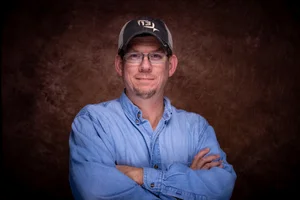
Headshots for Conference Speakers and Panelists in DFW
You are about to speak at a conference. The event coordinator just emailed you asking for a headshot, a bio, and a session description. The deadline is 48 hours away.
You scramble to find the most current photo you have. The one from the company website is two years old. The phone photo from a recent event is too casual. The LinkedIn shot is the same one you have been using for three years. None of them feel right for a printed conference program or a session slide that hundreds of people will see.
Here is what conference speakers and panelists in DFW actually need from a headshot, and why this category of professional photo has its own specific requirements.
Conference programs print in high resolution. Most professional conferences require speaker headshots at 300 DPI or higher, sized for both print and digital. A low resolution photo grabbed from a website looks fine on a screen and prints fuzzy in a program. Speakers who provide press-ready files get treated like professionals. Speakers who send a tiny social media crop get treated like beginners.
Session slides need crisp, current photos. Many conferences put the speaker's photo on the introduction slide. The audience sees the photo for 30 seconds before you walk on stage. That moment is part of your speaker brand. A current, professional, clearly composed photo communicates that you take your speaking work seriously. A blurry or outdated photo does the opposite.
Your speaker photo is part of the marketing. Conference organizers use speaker photos on the event website, in email marketing, on social media promotion, and in promotional graphics. Your photo is being seen by potential attendees deciding whether to register. A strong photo helps the conference sell tickets, which makes you a more valuable speaker the next time you propose to speak.
Panel photos have different requirements than keynote photos. If you are speaking on a panel of three or four people, your photo will appear next to the other panelists. The photographer cannot control what the other panelists look like, but you can control how well your photo holds up next to theirs. A clean studio photo at panel quality will stand out compared to photos that look pulled from a phone or a webcam.
The expression should match the topic. A keynote on resilience and leadership needs a different expression than a panel on data analytics. Speaking work is varied, and a single photo cannot serve every topic. Most working speakers have two or three photo options they can submit depending on the conference theme. Warmer for inspirational topics. More serious for technical or business topics.
Speakers need both formal and approachable looks. Conference programs sometimes ask for two photos: one for the program and one for a hospitality or VIP page. A working speaker library should include a formal professional shot and a slightly warmer, more accessible shot so you have options when an organizer asks.
Photo refreshes should happen yearly for active speakers. If you speak at three or more conferences a year, your photo is being seen by thousands of new people every year. An outdated photo gets noticed quickly when you do not look like the picture. Annual updates keep your photo aligned with your current appearance and current speaking topics.
File specs to ask for from your photographer. Conference-ready files should include: high-resolution print files at 300 DPI, web-optimized files for online use, both color and black-and-white versions, and crops at multiple aspect ratios (square, vertical, horizontal). A photographer who works with speakers knows to deliver this without being asked.
The bio photo is part of your speaking proposal package. Conference organizers receive hundreds of speaker proposals. The package they evaluate includes the bio, the topic, and the headshot. A polished, current photo in your submission signals that you are an established speaker and increases the chances your proposal is accepted. The photo is not just supporting the bio. It is part of the proposal.
Headshots are the cheapest form of speaker marketing. Speakers invest in books, slide decks, video reels, and event coaches. Most spend almost nothing on visual brand. The professional headshot is the single most-viewed visual asset for any working speaker, and the cost is small relative to what speakers spend elsewhere on their visibility.
Conference speaking is one of the highest-leverage professional activities you can do. Each appearance puts you in front of hundreds of people who are predisposed to listen, take notes, and follow up. The visual brand supporting that appearance is part of the work. A great photo does not make a great speaker. But a current, professional speaker photo removes a small barrier between you and the audiences you are trying to reach.
If you are speaking, panelizing, or building a speaker brand anywhere in the Dallas-Fort Worth area, TRG Headshots is in Red Oak. We photograph speakers across DFW and deliver press-ready files in every standard format conference organizers ask for.
When you are ready, booking takes one email. No session fee. You pay for the images you actually want to use and nothing else.