Executive Headshots in DFW: What Boards and Investors Actually See
You are a CEO, a CFO, a managing partner, or sitting on a board. Your headshot is on the company leadership page, the annual report, the investor deck, the press release, and every speaking bio you have published in the last five years.
It is also working harder than you think. Board members compare you to peer companies. Investors decide whether you look like someone who can lead the firm they are about to fund. Reporters use it on stories that go live before they even contact you. Senior recruiters pass it to candidates who are evaluating whether they want to work for you. None of those people know you. They are reading your face.
Here is what your executive headshot is actually communicating at the highest levels of your professional visibility, and why the standard for an executive photo is different from a standard professional headshot.
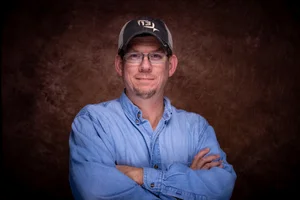
Executive headshots have higher stakes. Your photo represents the firm, not just you. When a board chair, investor, or strategic partner is evaluating your company, they read your photo as a signal of who the leadership is. A casual, undated, or poorly produced photo at the executive level does not just look unpolished. It signals an organization that is not paying attention to detail.
The expression should communicate weight, not warmth. A common mistake at the executive level is trying to look approachable in the same way a junior professional would. Approachability matters, but it should not crowd out the qualities that investors, boards, and competitors actually need to see: confidence, decisiveness, focus. The expression should suggest someone who has made hard calls and would make them again.
Wardrobe should reflect the level of the room. Most professional headshots can pass with a clean blazer. Executive headshots should match the wardrobe expectations of the rooms you actually walk into. If you wear a suit to board meetings, your headshot should reflect that. If your industry has shifted to softer business attire, the photo should reflect that. Mismatch between the photo and the room creates a credibility gap.
The background is more conservative at this level. Studio executive portraits typically use neutral, conservative backdrops. Skip the office shot, the modern textured wall, or the colored backdrop trends. The neutral studio look is what most major corporate boards and investor materials expect, and it ages better across years of bio updates.
Press-ready files are non-negotiable. Executive photos get used in places you do not control. Press articles. Industry award listings. Conference programs. Speaker pages. Annual reports. Each of these expects specific file formats, sizes, and resolutions. A working executive headshot needs to be delivered in press-ready formats so you say yes to opportunities without scrambling.
Consistency across leadership matters. If you are on a leadership page with other executives, every photo on that page should look like it was taken by the same photographer, in the same studio, with the same lighting. Mismatched executive photos make a leadership team look improvised. Consistent ones make it look intentional.
The photo should hold up next to peer companies. When investors or partners are comparing your firm to two or three others, they open the leadership pages in adjacent browser tabs. The visual standard of your executive photo gets compared directly to whoever else they are looking at. The photo that holds up against the best peer firm wins the trust contest.
Annual updates are more important, not less, at this level. At the executive level, your visibility is constant. Quarterly earnings, annual reports, press cycles, speaking engagements, and industry events all create photo deadlines. An executive who only updates their headshot every five years ends up with a current bio next to a stale photo. The mismatch hurts.
The session should be efficient and low-friction. Executive time is the most expensive variable in any session. A photographer who works with senior leaders should be able to deliver a full executive session in 30 to 45 minutes, including wardrobe consideration and multiple looks if needed. Long sessions signal a photographer who is not used to working at this level.
An executive headshot is one of the few visual assets that touches every external audience your company has. Boards. Investors. Press. Recruits. Strategic partners. Competitors. The cost of getting it right is small. The cost of getting it wrong shows up in conversations you will never hear.
If you are an executive working anywhere in the Dallas-Fort Worth area, TRG Headshots is in Red Oak, easy reach from every major business corridor in the metroplex. We have photographed leadership teams ranging from solo founders to a 266 person shoot for Louis Vuitton at their Texas location. Same studio. Same standard.
When you are ready, booking takes one email. No session fee. Executive sessions are typically 30 to 45 minutes and deliver press-ready files in every standard format.