Actor Headshots in Dallas: What Casting Directors and Agents Actually Want to See
You are an actor in Dallas. You have a coach, a reel in progress, and a list of agents you want to submit to. The one thing standing between you and the next audition is a headshot that actually looks like you on your best day.
You have seen the bad ones. The over-edited photos that look like a different person walked into the room. The cheap ones that scream community theater. The ones that try too hard and end up looking like a stock photo. You know what you do not want. The harder question is what you do want.
Here is what casting directors and agents are actually looking for when they open your headshot, and what the best DFW actors get right.
It has to look exactly like you. This is the number one rule. If you walk into the audition room and the casting director has to do a double-take, you have a problem. The headshot is a contract. It says: this is the person who will show up. Anything more flattering than reality works against you.
Your eyes do the work. A great actor headshot has eyes that are alive, present, focused, communicating something specific. Casting directors scan hundreds of photos a day. The ones that stop them have eyes that hold attention. Everything else is supporting cast.
The expression matches your type. If you book leading-man roles, your headshot should not look like a character actor. If you play warm best-friend roles, you should not be glaring into the camera. The photo has to telegraph what you do, fast, because the casting director is making decisions in seconds.
Two looks beat ten. Most working actors have a commercial look (warmer, smiling, approachable) and a theatrical look (more serious, grounded, dramatic). That is usually all you need. A massive variety of looks confuses agents and signals that you do not know your own brand.
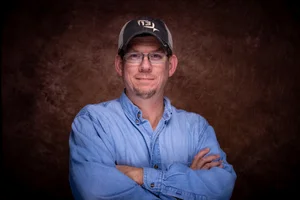
Wardrobe should be simple. Solid colors. Nothing trendy. Nothing distracting. Your face is the subject, your shirt is not. Avoid logos, busy patterns, and statement jewelry. Anything that pulls the eye away from your face is a mistake.
The background should disappear. A clean, neutral backdrop keeps the focus where it belongs. Outdoor or "lifestyle" headshots can work for some commercial submissions, but most theatrical and agency submissions still want a controlled studio look that does not date the photo.
Retouching should be invisible. Real skin. Real texture. Real you, just on a good day. Over-retouched headshots get rejected immediately because casting directors know the actor will not look that smooth in person. The goal is "you, fully rested, in great light," not "you, airbrushed."
Your headshot should age with you, not against you. If you are 45, do not submit a photo from when you were 35. Casting directors want to know what you look like now. Authentic age is a casting category, embracing it gets you more work, not less.
Update every two to three years. Faces change. Hair changes. Brand changes. A headshot that worked three years ago is probably already costing you submissions you do not know you are missing.
The session itself matters. A great photographer for actors knows how to direct expression. They will give you specific prompts, not vague ones. They will read your face and adjust. If you walk out of a session feeling like you just did the work, that is the right photographer.
If you are working in the Dallas-Fort Worth market, Dallas, Fort Worth, Plano, Frisco, Arlington, TRG Headshots is in Red Oak, a short drive from every major audition location in the metroplex. We photograph actors every week, and we know what theatrical and commercial submissions actually require.
When you are ready, booking takes one email. There is no session fee, and you only pay for the looks you actually want to use.